


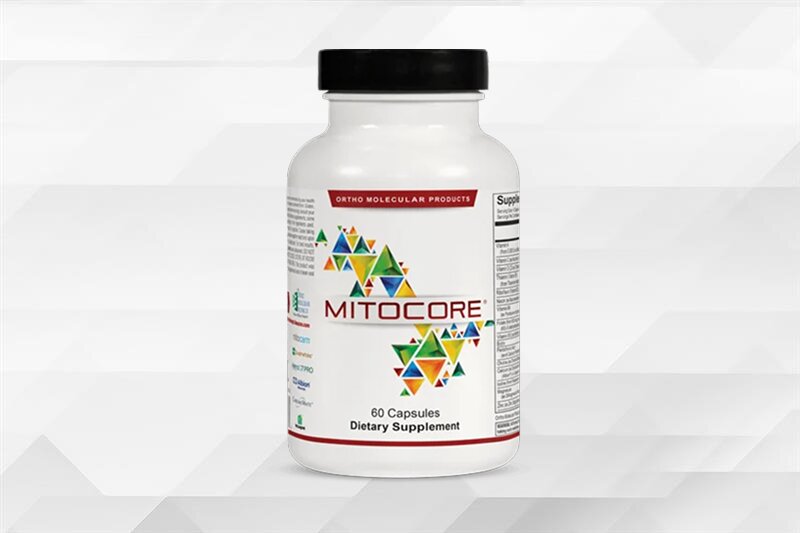
Supports mitochondrial function and metabolic processes to promote daily energy, focus and vitality.
- Supports cellular energy production
- Promotes healthy metabolic function
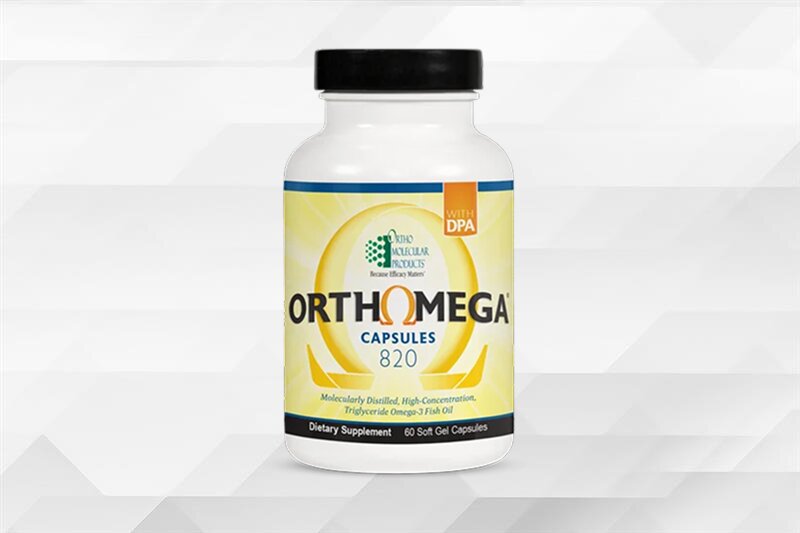
Supports heart, brain, joint, skin, and eye health while helping maintain a healthy inflammatory response.
- Supports cardiovascular health and blood sugar metabolism
- Helps maintain joint health and normal inflammatory balance
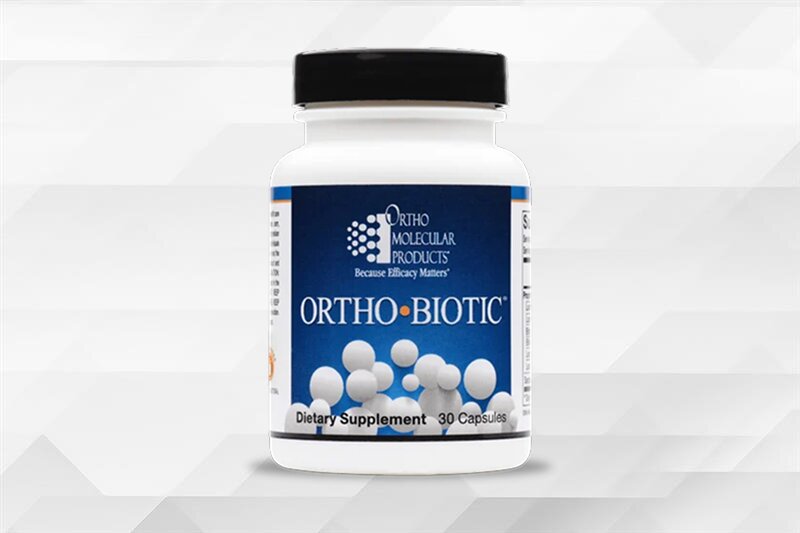
Promotes a balanced gut microbiome to support digestion, nutrient absorption, and immune function.
- Supports secretory IgA and gut immune health
- Promotes digestive comfort, bowel regularity, and nutrient absorption
Supports mitochondrial function and metabolic processes to promote daily energy, focus and vitality.
- Supports cellular energy production
- Promotes healthy metabolic function
Supports heart, brain, joint, skin, and eye health while helping maintain a healthy inflammatory response.
- Supports cardiovascular health and blood sugar metabolism
- Helps maintain joint health and normal inflammatory balance
Promotes a balanced gut microbiome to support digestion, nutrient absorption, and immune function.
- Supports secretory IgA and gut immune health
- Promotes digestive comfort, bowel regularity, and nutrient absorption
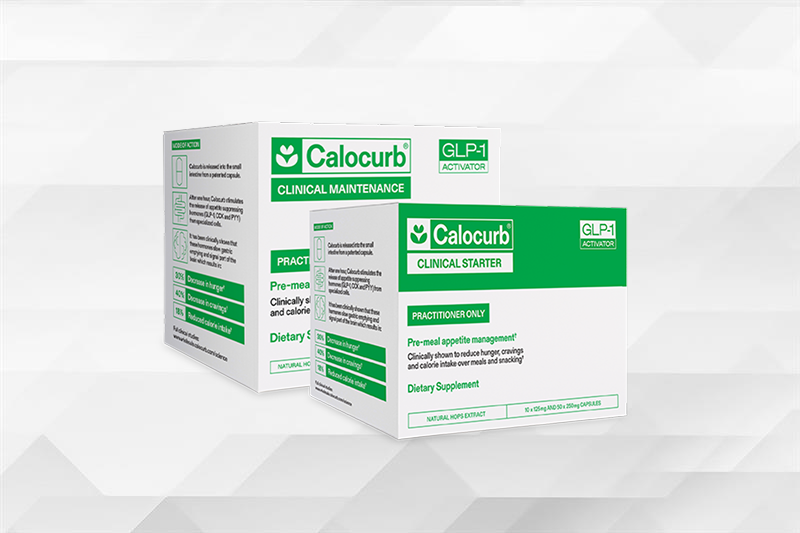
Supports healthy appetite regulation and metabolic function by promoting the body's natural satiety signals.
- Stimulates natural GLP-1, CCK, and PYY release
- Enhances adherence to intermittent fasting and time-restricted eating
Promotes a balanced gut microbiome to support digestion, nutrient absorption, and immune function.
- Delivers 11 g of fiber to support digestive health
- Supports natural GLP-1 production to help manage appetite
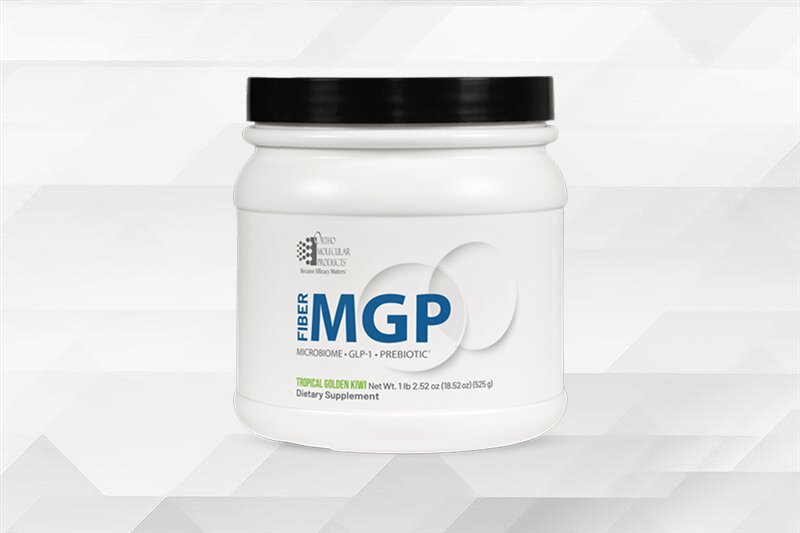
Supports healthy appetite regulation and metabolic function by promoting the body's natural satiety signals.
- Stimulates natural GLP-1, CCK, and PYY release
- Enhances adherence to intermittent fasting and time-restricted eating
Promotes a balanced gut microbiome to support digestion, nutrient absorption, and immune function.
- Delivers 11 g of fiber to support digestive health
- Supports natural GLP-1 production to help manage appetite
From evidence-based formulations and uncompromising quality standards to long-term partnerships with licensed health care practitioners, our purpose-driven approach shapes everything we do.

From evidence-based formulations and uncompromising quality standards to long-term partnerships with licensed health care practitioners, our purpose-driven approach shapes everything we do.
Our evidence-based supplements are available only through licensed health care professionals, reflecting our commitment to the medical community.

Our evidence-based supplements are available only through licensed health care professionals, reflecting our commitment to the medical community.
Our commitment to evidence-based formulation, rigorous quality standards, and practitioner partnership has earned recognition across the health care industry. These distinctions reflect our ongoing focus on scientific integrity, efficacy, and clinical trust.

Our commitment to evidence-based formulation, rigorous quality standards, and practitioner partnership has earned recognition across the health care industry. These distinctions reflect our ongoing focus on scientific integrity, efficacy, and clinical trust.
Access educational product videos, detailed product information sheets, and approved social media assets designed to support licensed health care professionals.

Access educational product videos, detailed product information sheets, and approved social media assets designed to support licensed health care professionals.
Find the right solution for ordering, patient care, and practice growth.
Find the right solution for ordering, patient care, and practice growth.
Tools and programs designed to help independent pharmacies drive front-end growth and long-term patient loyalty.

Tools and programs designed to help independent pharmacies drive front-end growth and long-term patient loyalty.
We partner exclusively with licensed health care professionals to deliver evidence-based supplements and clinical support.
We partner exclusively with licensed health care professionals to deliver evidence-based supplements and clinical support.

Gut Health Supplements: What the Research Supports
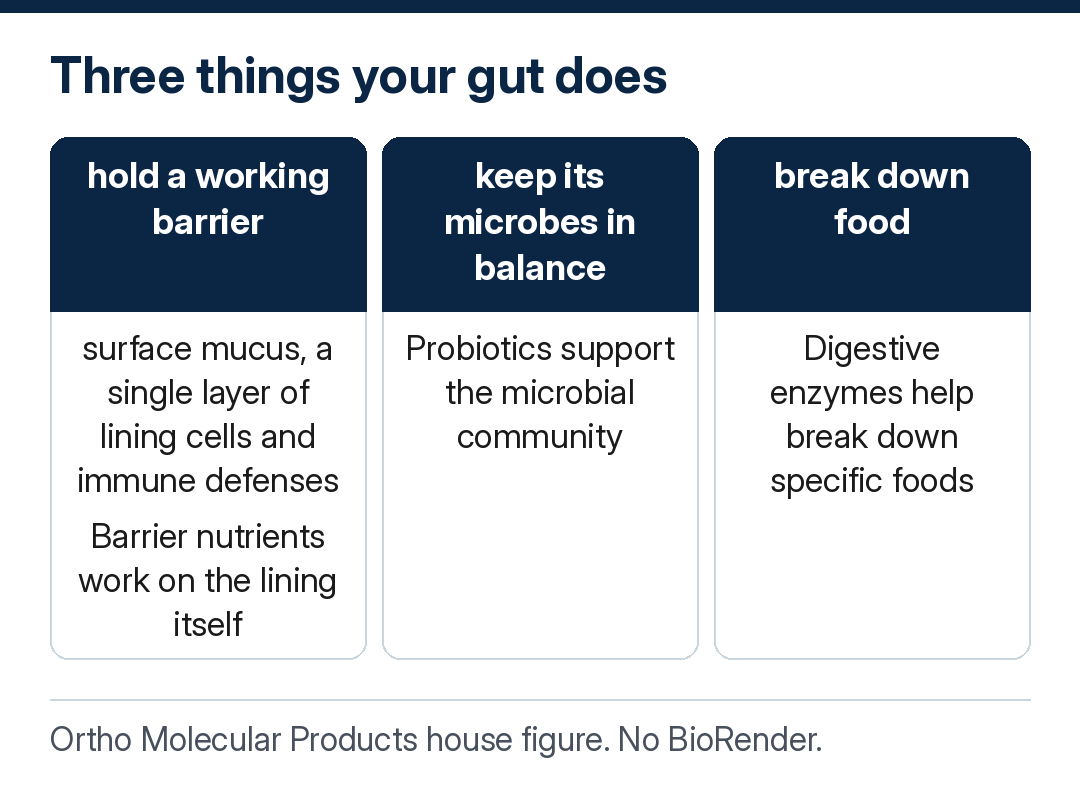
TL;DR: Gut health supplements support three things your gut does: hold a working barrier, keep its microbes in balance and break down food. Probiotics are live microorganisms that provide a health benefit in the right amounts, and their benefits depend on the strain. Digestive enzymes help break down specific foods. At Ortho, we help practitioners match each formula to a goal.
This page is for practitioners, and for the patients they see. It walks through how the gut works, what research supports for probiotics, probiotic yeast, spore-forming probiotics, serum-derived bovine immunoglobulin (SBI), digestive enzymes and gut-barrier nutrients, and how practitioners choose among them. Every Ortho product named here is available only through licensed practitioners, and you can browse them on our gastrointestinal health page.
How your gut works
Your gut handles digestion as one of its jobs. Its lining is a working barrier made of surface mucus, a single layer of lining cells and immune defenses. That barrier has two jobs at once: it absorbs fluids and nutrients, and it keeps microbes and toxins where they belong. A Mayo Clinic review describes how nutrition can help that barrier hold up under everyday stress.
Your gut is also home to a large community of microbes. Probiotics are one way to support that community. Depending on the species, probiotics can help reinforce the gut barrier, take part in vitamin production and help neutralize toxins.
Digestion is the third piece. Enzymes break food down into nutrients your body can absorb, and digestive enzyme supplements are used to help with specific foods, such as the natural sugar in milk.
Probiotics: live microorganisms with strain-specific benefits
The NIH Office of Dietary Supplements (ODS) and the International Scientific Association for Probiotics and Prebiotics (ISAPP) define probiotics as live microorganisms that, when given in adequate amounts, provide a health benefit to the person taking them.
Probiotic benefits belong to specific strains. ODS says clinical probiotic recommendations need to be strain-specific, and a review of 228 trials found strong evidence that probiotic effects are strain-specific. That is why practitioners look past the species name on a label to the strain designation, such as Lactobacillus acidophilus La-14.
Probiotics also have a long record of safe use in healthy people, and side effects, when they happen, are usually minor.
Probiotic yeast and spore-forming probiotics
Two groups of probiotics work a little differently from the familiar Lactobacillus and Bifidobacterium strains.
Probiotic yeast. Saccharomyces boulardii is a probiotic yeast, a distinct strain from the brewer's and baker's yeast used in food. It has been tested in dozens of randomized controlled trials involving thousands of people: a review pooled 27 trials with 5,029 study patients, and a review pooled 21 randomized controlled trials with 4,780 participants.
Spore-forming probiotics. Bacillus probiotics form spores, a naturally protected form. A study found Bacillus clausii spores survived the trip through the digestive tract and stayed detectable for up to 12 days. In a placebo-controlled study of 70 adults, Bacillus coagulans MTCC5856, the same strain listed on Ortho Spore IG™ and Ortho Spore Complete, reduced gas and bloating scores over 4 weeks.
SBI: immunoglobulins that work inside the gut
Serum-derived bovine immunoglobulin (SBI) is a purified protein isolate made up mostly of immunoglobulins, the same antibody classes (IgG, IgA and IgM) your own gut uses. In lab models of the gut lining, SBI's immunoglobulins bind bacterial components and help keep them from crossing the barrier. In a study of 42 healthy US adults, SBI's immunoglobulins traveled through the digestive tract and were found in stool, not in the bloodstream, which fits its role inside the gut, and it was well tolerated.
Our SBI Protect® Capsules are a "dairy-free source of immunoglobulin G (IgG)." As our product page puts it, Pure IgG "helps to maintain a healthy intestinal immune system by binding a broad range of microbes and toxins within the gut lumen."
Digestive enzymes
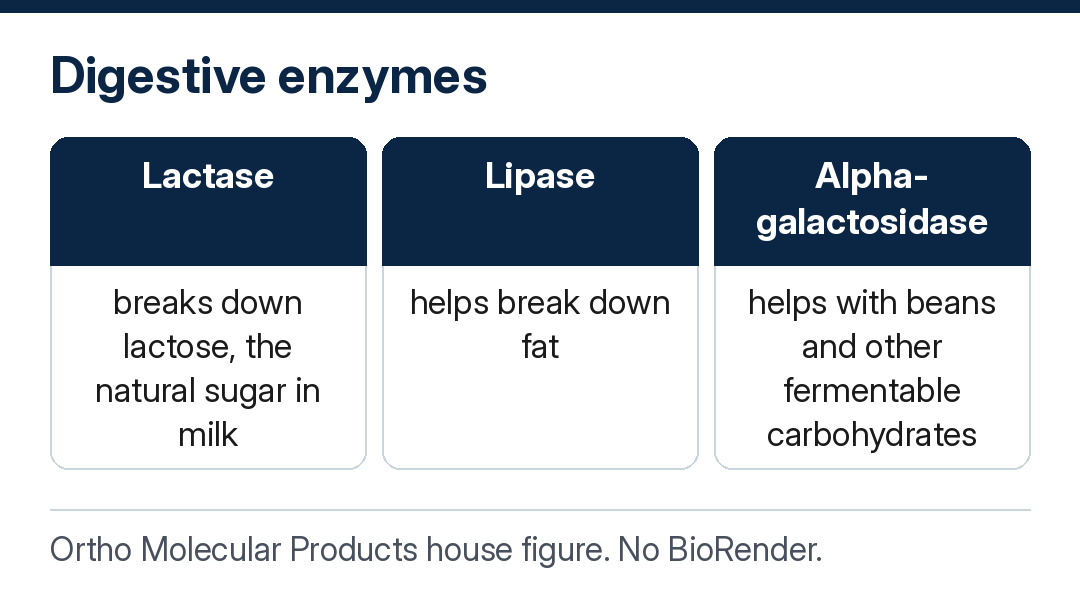
Digestive enzymes are a practical, food-focused kind of gut supplement. Each enzyme has a job:
- Lactase breaks down lactose, the natural sugar in milk, and lactase products are a long-standing, widely used digestive aid.
- Lipase helps break down fat. In a placebo-controlled crossover study of 16 healthy US adults, an acid-resistant lipase taken before a high-fat meal reduced the feeling of stomach fullness afterward.
- Alpha-galactosidase helps with beans and other fermentable carbohydrates. In a placebo-controlled study of 8 healthy volunteers, alpha-galactosidase reduced gas production after a bean-rich meal.
- Multi-enzyme blends combine several enzymes. Two placebo-controlled studies of adults with upper-digestive discomfort, 120 and 40, found that people taking a multi-enzyme supplement reported better upper-digestive comfort and quality of life.
If you searched for the best digestive enzyme, the useful question is which enzymes match the foods and goal in front of you. We make two enzyme formulas with different designs. Ortho Digestzyme is "a comprehensive blend of enzymes used to support healthy digestion and maximize nutrient absorption," with pancreatin (protease, amylase and lipase), betaine hydrochloride, pepsin, ox bile, bromelain and papain. Digestzyme-V is a formulation of "acid-resistant microbial- and plant-derived enzymes designed to enhance the digestion and absorption of nutrients from food," including lactase, alpha-galactosidase and lipase.
Nutrients for the gut barrier
Lactoferrin is a protein used in some gut-support formulas. Review the source and full formulation with your practitioner.
Our Mucosagen formula is "designed to support GI barrier health," (GI means gastrointestinal) with L-glutamine, zinc as zinc bisglycinate chelate, lactoferrin as Bioferrin® and N-acetyl-D-glucosamine among its ingredients.
How the groups work together
These groups support different parts of gut health, so practitioners can combine them. Probiotics support the microbial community, and their benefits depend on the strain. Digestive enzymes help break down specific foods, such as lactose. SBI binds microbes and toxins in the gut lumen. Barrier nutrients work on the lining itself: on our Mucosagen product page, we describe L-glutamine as "a primary source of fuel for the small intestines." A practitioner might pair a multi-strain probiotic with a spore-based formula, or a digestive enzyme with a barrier formula, depending on the goal. We also offer a rotational option: Ortho Biotic® R uses a different set of probiotic strains for practitioners who prefer a rotational approach to probiotics.
How practitioners choose a gut formula
Practitioners who work with gut formulas tend to ask the same questions, and a US practical guide covering 249 probiotic trials sums them up: match the strain to the goal, then check the formulation, the amount studied, and the maker's quality control and shelf-life. In practice, that becomes a short checklist:
- Name the goal. Microbial balance, regularity, gas and bloating, digestion of specific foods, or barrier support each point to different ingredients.
- Read the strain. ODS describes a probiotic strain by its genus, species, subspecies where it applies, and an alphanumeric strain designation.
- Check the count at expiration. ODS advises checking the colony-forming unit (CFU) count at the end of shelf life, not when the product was made.
- Match the amount to the research. Practitioners match the strain and the amount to what was studied for that goal.
- Check storage and format. ODS cites World Gastroenterology Organisation advice to check labels for storage conditions.
Expert bodies focus their guidance on specific strains for specific needs, which is why strain-level labels matter.
What practitioners use
These are the Ortho formulas practitioners reach for in gut health, described in our product page language.
- Ortho Biotic® Capsules. A multi-strain probiotic whose label names each bacterial strain by designation, such as Lactobacillus acidophilus (La-14). Its product page lists "Helps Maintain Gastrointestinal Balance" and "Supports Bowel Regularity," and notes "Guaranteed potency at expiration" and "No refrigeration required."
- Saccharomyces boulardii. A probiotic yeast formula. Its product page lists "Balances Gastrointestinal Flora" and "Supports Gastrointestinal Barrier Function and Integrity."
- Ortho Spore IG™ and Ortho Spore Complete. Spore-based, broad-spectrum probiotic formulas. Ortho Spore IG™ lists "Maintains GI Barrier Health and Integrity," and Ortho Spore Complete lists "Helps Gently Restore and Maintain Microbial Balance and Diversity."
- SBI Protect® Capsules and SBI Protect® Powder. Their product pages list "Provides Concentrated Immunoglobulins to Enhance Mucosal Immunity" and "Supports GI Barrier Health and Integrity."
- Ortho Digestzyme and Digestzyme-V. Both list "Supports Healthy Digestion and Maximizes Nutrient Absorption."
- Mucosagen and deglycyrrhizinated licorice (DGL). Mucosagen lists "Supports GI Barrier Health," and DGL lists "Helps Maintain a Healthy Mucosal Surface in the Stomach."
Browse the full range on our gastrointestinal health page, including probiotics and gut and digestion formulas, or compare our probiotics on the Ortho Biotic® family page.
Safety and who should check first
Probiotics are well tolerated by most healthy adults. People with a severe illness or a weakened immune system face a higher risk of harmful effects from probiotics, so they should talk with their practitioner first. If you have a question about pairing an Ortho product with a medication you take, call or email our customer service team at 1-800-332-2351 or contactus@ompimail.com (7am to 6pm CST).
How to get Ortho products
Every Ortho product is available only through licensed practitioners.
- Patients: mention Ortho to your practitioner, and ask whether they use Clinical Care Path™.
- Licensed practitioners: open a practitioner account. Practitioner pricing: log in.
- Product-fit or medication questions: contact our customer service team at 1-800-332-2351 or contactus@ompimail.com, 7am to 6pm CST.
Frequently asked questions
What are gut health supplements? Gut health supplements support the gut's barrier, its microbial balance and digestion. The main groups are probiotics, which are live microorganisms that provide a health benefit in the right amounts, digestive enzymes, and nutrients for the gut lining such as L-glutamine and zinc.
Do probiotics support gut health? Yes, when the strain matches the goal. Probiotic benefits are strain-specific, and placebo-controlled trials have found specific strains supported less bloating and more regular bowel movements.
What is the difference between a probiotic and a digestive enzyme? A probiotic is a live microorganism that supports the gut's microbial community. A digestive enzyme is a protein that helps break down food, such as lactase for the natural sugar in milk.
Are probiotics safe? Probiotics have a long record of safe use in healthy people, and any side effects tend to be minor. People who are seriously ill or have a compromised immune system should check with their practitioner first.
Next step
Practitioners: open an Ortho account. Patients: take this page with you to your appointment and ask which gut formula fits your goal.
These statements have not been evaluated by the Food and Drug Administration. These products are not intended to diagnose, treat, cure or prevent any disease.
Sources
- NIH Office of Dietary Supplements. Probiotics: Fact Sheet for Health Professionals (updated March 25, 2025). https://ods.od.nih.gov/factsheets/Probiotics-HealthProfessional/
- NIH National Center for Complementary and Integrative Health. Probiotics: Usefulness and Safety (last updated August 2019). https://www.nccih.nih.gov/health/probiotics-what-you-need-to-know
- NIDDK. Treatment for Lactose Intolerance. https://www.niddk.nih.gov/health-information/digestive-diseases/lactose-intolerance/treatment
- Hill C, Guarner F, Reid G, et al. Nat Rev Gastroenterol Hepatol 2014;11(8):506-14. PMID 24912386. doi:10.1038/nrgastro.2014.66
- Camilleri M. Gut 2019;68(8):1516-26. PMID 31076401. doi:10.1136/gutjnl-2019-318427
- Bischoff SC, Barbara G, Buurman W, et al. BMC Gastroenterol 2014;14:189. PMID 25407511. doi:10.1186/s12876-014-0189-7
- McFarland LV, Evans CT, Goldstein EJC. Front Med 2018;5:124. PMID 29868585. doi:10.3389/fmed.2018.00124
- Sniffen JC, McFarland LV, Evans CT, Goldstein EJC. PLoS One 2018;13(12):e0209205. PMID 30586435. doi:10.1371/journal.pone.0209205
- Ringel-Kulka T, Palsson OS, Maier D, et al. J Clin Gastroenterol 2011;45(6):518-25. PMID 21436726. doi:10.1097/MCG.0b013e31820ca4d6
- van der Schoot A, Helander C, Whelan K, Dimidi E. Clin Nutr 2022;41(12):2759-77. PMID 36372047. doi:10.1016/j.clnu.2022.10.015
- Enache-Angoulvant A, Hennequin C. Clin Infect Dis 2005;41(11):1559-68. PMID 16267727. doi:10.1086/497832
- McFarland LV. World J Gastroenterol 2010;16(18):2202-22. PMID 20458757. doi:10.3748/wjg.v16.i18.2202
- Szajewska H, Kołodziej M. Aliment Pharmacol Ther 2015;42(7):793-801. PMID 26216624. doi:10.1111/apt.13344
- Ghelardi E, Celandroni F, Salvetti S, et al. J Appl Microbiol 2015;119(2):552-9. PMID 25973914. doi:10.1111/jam.12848
- Majeed M, Nagabhushanam K, Paulose S, Arumugam S, Mundkur L. Medicine (Baltimore) 2023;102(9):e33109. PMID 36862903. doi:10.1097/MD.0000000000033109
- Detzel CJ, Horgan A, Henderson AL, et al. PLoS One 2015;10(4):e0120278. PMID 25830826. doi:10.1371/journal.pone.0120278
- Shaw AL, Mathews DW, Hinkle JE, et al. Clin Exp Gastroenterol 2016;9:365-75. PMID 27980432. doi:10.2147/CEG.S120118
- Levine ME, Koch SY, Koch KL. Gut Liver 2015;9(4):464-9. PMID 25287168. doi:10.5009/gnl14005
- Di Stefano M, Miceli E, Gotti S, et al. Dig Dis Sci 2007;52(1):78-83. PMID 17151807. doi:10.1007/s10620-006-9296-9
- Ullah H, Di Minno A, Piccinocchi R, et al. Biomed Pharmacother 2023;169:115858. PMID 37976892. doi:10.1016/j.biopha.2023.115858
- Majeed M, Majeed S, Nagabhushanam K, et al. J Med Food 2018;21(11):1120-8. PMID 30156436. doi:10.1089/jmf.2017.4172
- Zuhl MN, Lanphere KR, Kravitz L, et al. J Appl Physiol 2014;116(2):183-91. PMID 24285149. doi:10.1152/japplphysiol.00646.2013
- Zuhl M, Dokladny K, Mermier C, et al. Cell Stress Chaperones 2015;20(1):85-93. PMID 25062931. doi:10.1007/s12192-014-0528-1
- Pugh JN, Sage S, Hutson M, et al. Eur J Appl Physiol 2017;117(12):2569-77. PMID 29058112. doi:10.1007/s00421-017-3744-4
- Kelesidis T, Pothoulakis C. Ther Adv Gastroenterol 2012;5(2):111-25. PMID 22423260. doi:10.1177/1756283X11428502
- Mahmood A, FitzGerald AJ, Marchbank T, et al. Gut 2007;56(2):168-75. PMID 16777920. doi:10.1136/gut.2006.099929
- Troost FJ, Saris WH, Brummer RJ. Eur J Clin Nutr 2003;57(12):1579-85. PMID 14647223. doi:10.1038/sj.ejcn.1601727
- Krumbeck JA, Rasmussen HE, Hutkins RW, et al. Microbiome 2018;6(1):121. PMID 29954454. doi:10.1186/s40168-018-0494-4
- Ortho Molecular Products product pages: Ortho Biotic® Capsules, Saccharomyces boulardii, Ortho Spore IG™, Ortho Spore Complete, SBI Protect® Capsules, SBI Protect® Powder, Ortho Digestzyme, Digestzyme-V, Mucosagen, DGL.


These statements have not been evaluated by the Food and Drug Administration. These products are not intended to diagnose, treat, cure or prevent any disease.
