


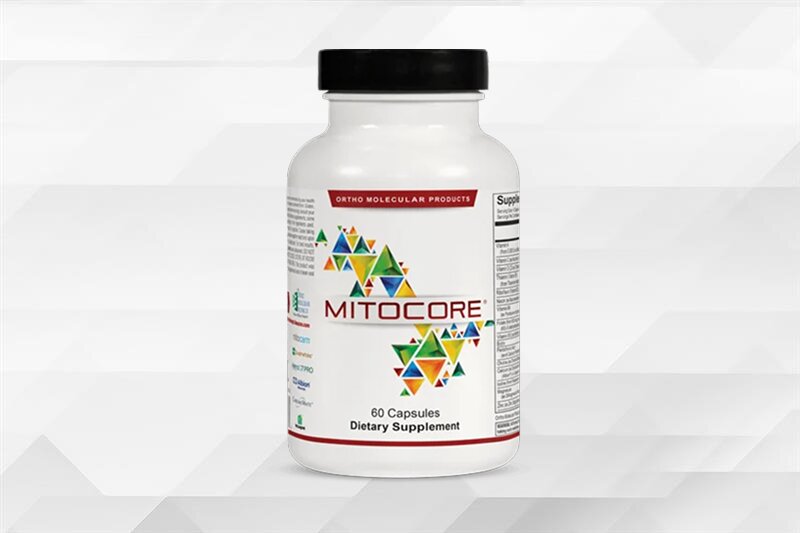
Supports mitochondrial function and metabolic processes to promote daily energy, focus and vitality.
- Supports cellular energy production
- Promotes healthy metabolic function
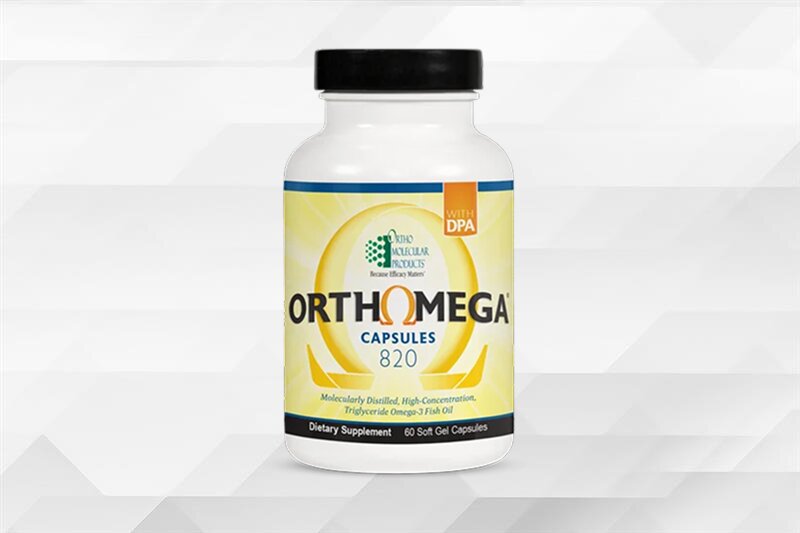
Supports heart, brain, joint, skin, and eye health while helping maintain a healthy inflammatory response.
- Supports cardiovascular health and blood sugar metabolism
- Helps maintain joint health and normal inflammatory balance
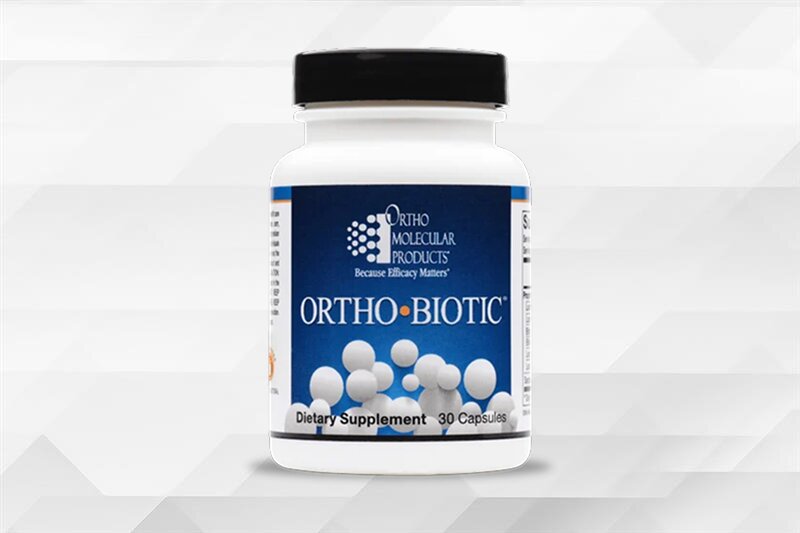
Promotes a balanced gut microbiome to support digestion, nutrient absorption, and immune function.
- Supports secretory IgA and gut immune health
- Promotes digestive comfort, bowel regularity, and nutrient absorption
Supports mitochondrial function and metabolic processes to promote daily energy, focus and vitality.
- Supports cellular energy production
- Promotes healthy metabolic function
Supports heart, brain, joint, skin, and eye health while helping maintain a healthy inflammatory response.
- Supports cardiovascular health and blood sugar metabolism
- Helps maintain joint health and normal inflammatory balance
Promotes a balanced gut microbiome to support digestion, nutrient absorption, and immune function.
- Supports secretory IgA and gut immune health
- Promotes digestive comfort, bowel regularity, and nutrient absorption
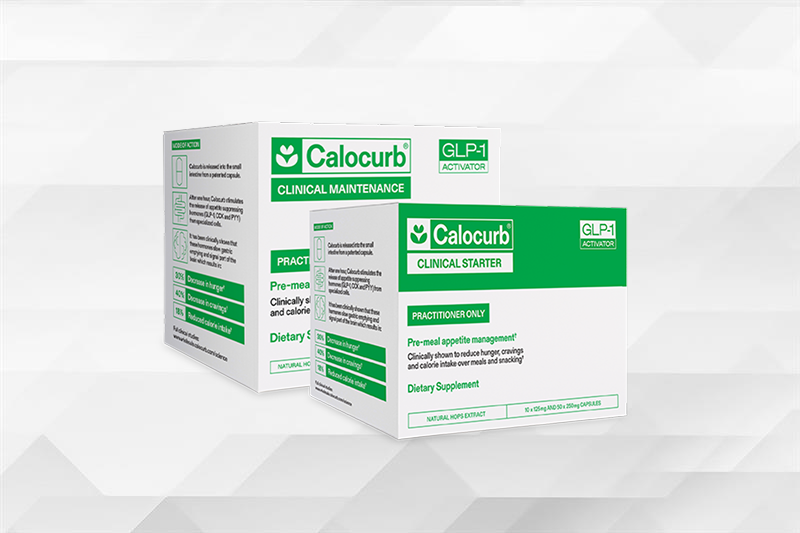
Supports healthy appetite regulation and metabolic function by promoting the body's natural satiety signals.
- Stimulates natural GLP-1, CCK, and PYY release
- Enhances adherence to intermittent fasting and time-restricted eating
Promotes a balanced gut microbiome to support digestion, nutrient absorption, and immune function.
- Delivers 11 g of fiber to support digestive health
- Supports natural GLP-1 production to help manage appetite
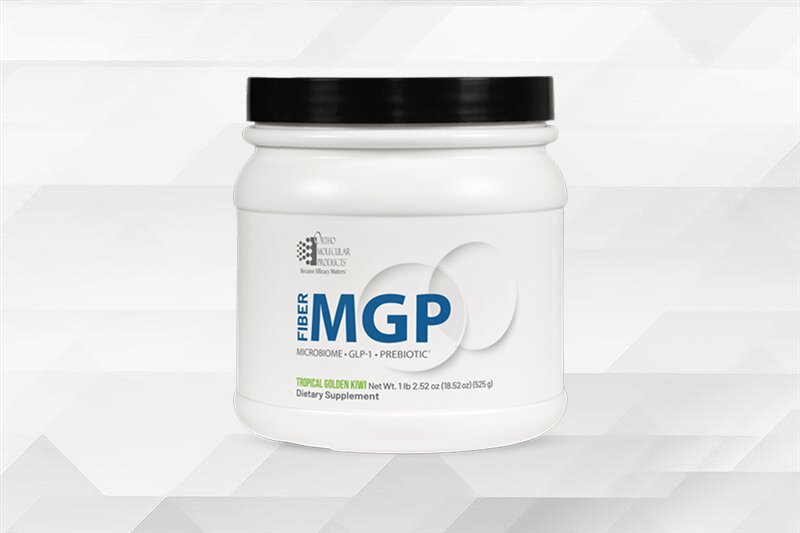
Supports healthy appetite regulation and metabolic function by promoting the body's natural satiety signals.
- Stimulates natural GLP-1, CCK, and PYY release
- Enhances adherence to intermittent fasting and time-restricted eating
Promotes a balanced gut microbiome to support digestion, nutrient absorption, and immune function.
- Delivers 11 g of fiber to support digestive health
- Supports natural GLP-1 production to help manage appetite
From evidence-based formulations and uncompromising quality standards to long-term partnerships with licensed health care practitioners, our purpose-driven approach shapes everything we do.

From evidence-based formulations and uncompromising quality standards to long-term partnerships with licensed health care practitioners, our purpose-driven approach shapes everything we do.
Our evidence-based supplements are available only through licensed health care professionals, reflecting our commitment to the medical community.

Our evidence-based supplements are available only through licensed health care professionals, reflecting our commitment to the medical community.
Our commitment to evidence-based formulation, rigorous quality standards, and practitioner partnership has earned recognition across the health care industry. These distinctions reflect our ongoing focus on scientific integrity, efficacy, and clinical trust.

Our commitment to evidence-based formulation, rigorous quality standards, and practitioner partnership has earned recognition across the health care industry. These distinctions reflect our ongoing focus on scientific integrity, efficacy, and clinical trust.
Access educational product videos, detailed product information sheets, and approved social media assets designed to support licensed health care professionals.
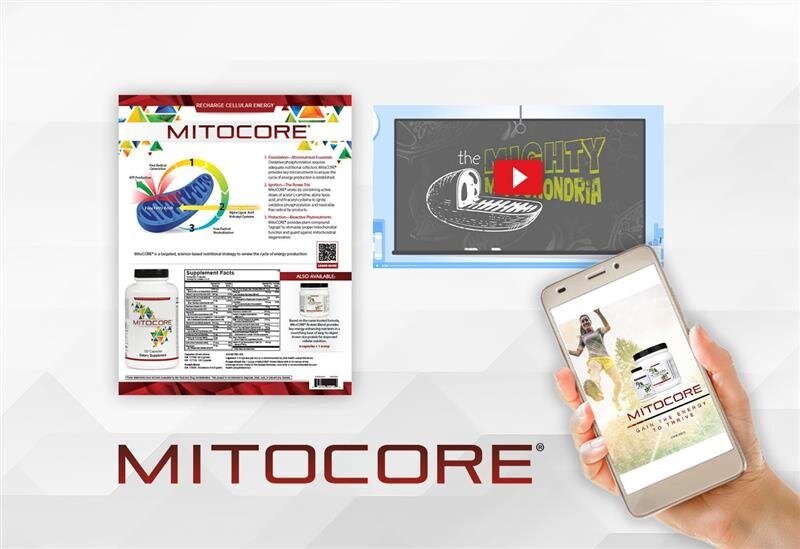
Access educational product videos, detailed product information sheets, and approved social media assets designed to support licensed health care professionals.
Find the right solution for ordering, patient care, and practice growth.
Find the right solution for ordering, patient care, and practice growth.
Tools and programs designed to help independent pharmacies drive front-end growth and long-term patient loyalty.
Tools and programs designed to help independent pharmacies drive front-end growth and long-term patient loyalty.
We partner exclusively with licensed health care professionals to deliver evidence-based supplements and clinical support.
We partner exclusively with licensed health care professionals to deliver evidence-based supplements and clinical support.

Serum-Derived Bovine Immunoglobulin (SBI): How It Works in the Gut
TL;DR: Serum-derived bovine immunoglobulin (SBI) is a purified protein isolate made up mostly of immunoglobulins, the same antibody classes (IgG, IgA and IgM) your own gut uses. Its job is binding: in lab models of the gut lining, SBI's immunoglobulins bind bacterial components and help keep them from crossing the barrier. In a study of 42 healthy US adults, SBI traveled through the digestive tract and was found in stool, not in the bloodstream, and it was well tolerated. At Ortho, we offer SBI as SBI Protect® Capsules and SBI Protect® Powder.
For a colostrum-derived immunoglobulin product, visit IgG Protect. Colostrum-derived immunoglobulins and serum-derived bovine immunoglobulins have different sources; compare the label with your practitioner.
This page is for practitioners, and for the patients they see. It explains what SBI is, how it works inside the gut, and what human and lab studies of SBI show. You can browse our gut and digestion formulas here.
What SBI is
SBI is a specially prepared protein isolate that is more than 90% protein. More than 60% of it is immunoglobulin, with contributions from IgG, IgA and IgM. Immunoglobulins are antibodies: proteins that recognize and bind specific targets. Your own gut relies on the same antibody classes as part of its defenses. SBI is prepared to be taken by mouth, so its immunoglobulins travel through the digestive tract and do their work inside the gut.
SBI is made from bovine serum, not milk, so it is not colostrum. Our product pages describe SBI Protect® as a "dairy-free source of immunoglobulin G (IgG)."
How SBI works in the gut
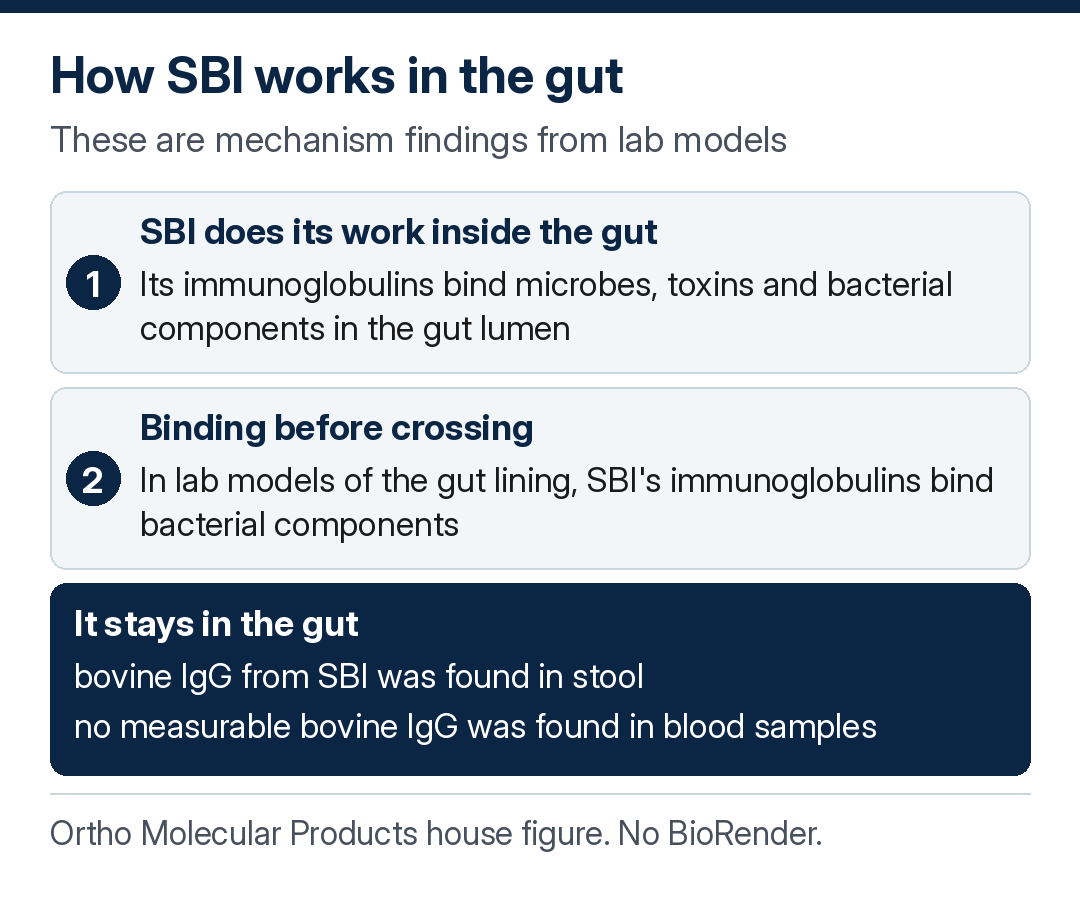
SBI does its work inside the gut. Its immunoglobulins bind microbes, toxins and bacterial components in the gut lumen, the space inside the intestine.
Lab studies show how that binding supports the gut barrier:
- Binding before crossing. In a lab model of a gut lining with altered permeability, SBI's immunoglobulins bound a bacterial component and kept it from crossing the cell layer. The researchers describe this as immune and steric exclusion: the immunoglobulins hold on to a target so it cannot reach the lining.
- Barrier integrity. In a lab model from Belgium built from healthy adults' gut microbes, SBI improved a standard measure of gut-lining integrity by 21%, and the effect was larger when SBI was combined with N-acetyl-D-glucosamine.
These are mechanism findings from lab models, and they match the uses on our product pages: "Provides Concentrated Immunoglobulins to Enhance Mucosal Immunity," "Helps Maintain Microbial Balance" and "Supports GI Barrier Health and Integrity." (GI means gastrointestinal) SBI is one of several nutrients practitioners consider for gut barrier support.
What human studies of SBI show
Human studies of SBI line up with the lab picture of how it works. Each study below is listed with its size and design, so you can see what it measured and who took part.
- It stays in the gut. In a blinded, placebo-controlled study of 42 healthy US adults, bovine IgG from SBI was found in stool after repeated doses, and no measurable bovine IgG was found in blood samples. That fits SBI's role inside the gut, and SBI was well tolerated.
- Bowel function. In a open-label study at Mayo Clinic, 15 adults with frequent loose stools had fewer stools per day, easier passage and better evacuation after 8 weeks of SBI.
- Symptom days. In a randomized, double-blind pilot study run in Canada, adults with frequent loose stools who took SBI had fewer symptom days and lower daily symptom scores than they had at the start, and SBI was well tolerated.
How SBI differs from a probiotic
SBI and probiotics can be used together, but they are different kinds of ingredients. Probiotics are live microorganisms that provide a health benefit in the right amounts. SBI is a protein isolate with no live organisms, and its immunoglobulins bind targets in the gut. That difference is why practitioners sometimes pair the two: a probiotic adds beneficial organisms, and SBI binds microbes and toxins in the gut lumen.
We built that pairing into Ortho Spore IG™, where we combined our blend of spore-forming probiotics with immunoglobulins. Lab research also points to pairing SBI with gut-lining nutrients. In the lab model above, SBI and N-acetyl-D-glucosamine each improved gut-lining integrity, and the combination improved it by 36%, the largest effect in the study. On our Mucosagen product page, we describe N-acetyl-D-glucosamine as "a mucin precursor," and it is one of the nutrients in that formula.
Reading SBI research
Published SBI research is a focused body of work, and the human studies are small. The barrier findings come from lab models. The human studies are a blinded, placebo-controlled study of 42 healthy adults, a 15-person open-label study and a randomized, double-blind pilot study in which 30 adults took SBI, and they measured where SBI goes, tolerance and bowel function. That body of work is why practitioners describe SBI by what it does inside the gut: binding microbes and toxins so they stay in the lumen.
Who should check first
SBI was well tolerated in the healthy-adult study above. If you have a health condition or take a medication, check with your practitioner before you add SBI, and send questions on an Ortho product and a medication to our customer service team at 1-800-332-2351 or contactus@ompimail.com.
What practitioners use
- SBI Protect® Capsules and SBI Protect® Powder. Our product pages describe SBI Protect® as a "dairy-free source of immunoglobulin G (IgG)" and say "Pure IgG helps to maintain a healthy intestinal immune system by binding a broad range of microbes and toxins within the gut lumen." They list "Provides Concentrated Immunoglobulins to Enhance Mucosal Immunity," "Helps Maintain Microbial Balance" and "Supports GI Barrier Health and Integrity."
- Ortho Spore IG™. A spore-based probiotic formula that also contains SBI. Its product page lists "Provides Concentrated Immunoglobulins to Enhance Mucosal Immunity" and "Maintains GI Barrier Health and Integrity." Spore-based probiotics are one of the formats covered in our probiotic checklist.
How to get Ortho products
Every Ortho product is available only through licensed practitioners.
- Patients: ask your practitioner whether they use Clinical Care Path™.
- Licensed practitioners: open a practitioner account. Practitioner pricing: log in.
- Product-fit or medication questions: contact our customer service team at 1-800-332-2351 or contactus@ompimail.com, 7am to 6pm CST.
Frequently asked questions
What is serum-derived bovine immunoglobulin? Serum-derived bovine immunoglobulin (SBI) is a purified protein isolate made up mostly of immunoglobulins, the same antibody classes (IgG, IgA and IgM) your own gut uses.
How does SBI work? SBI works inside the gut. In lab models of the gut lining, its immunoglobulins bind bacterial components and help keep them from crossing the barrier.
Is SBI absorbed into the bloodstream? In a study of 42 healthy US adults, bovine IgG from SBI was found in stool, not in blood samples, which fits its role inside the gut.
What is the difference between SBI and a probiotic? Probiotics are live microorganisms. SBI is a protein isolate with no live organisms, whose immunoglobulins bind microbes and toxins in the gut, so practitioners sometimes use the two together.
Is SBI the same as colostrum? No. SBI is made from bovine serum, not milk, and our product pages describe SBI Protect® as dairy-free.
Next step
Practitioners: open an Ortho account. Patients: ask your practitioner whether SBI fits your gut health plan.
These statements have not been evaluated by the Food and Drug Administration. These products are not intended to diagnose, treat, cure or prevent any disease.
Sources
- Detzel CJ, Horgan A, Henderson AL, et al. PLoS One 2015;10(4):e0120278. PMID 25830826. doi:10.1371/journal.pone.0120278
- Petschow BW, Burnett B, Shaw AL, Weaver EM, Klein GL. Clin Exp Gastroenterol 2014;7:181-90. PMID 24904221. doi:10.2147/CEG.S62823
- De Beul E, Heyse J, Jurgelewicz M, et al. Nutrients 2026;18(2):210. PMID 41599822. doi:10.3390/nu18020210
- Shaw AL, Mathews DW, Hinkle JE, et al. Clin Exp Gastroenterol 2016;9:365-75. PMID 27980432. doi:10.2147/CEG.S120118
- Valentin N, Camilleri M, Carlson P, et al. Physiol Rep 2017;5(5):e13170. PMID 28275113. doi:10.14814/phy2.13170
- Wilson D, Evans M, Weaver E, Shaw AL, Klein GL. Clin Med Insights Gastroenterol 2013;6:49-60. PMID 24833942. doi:10.4137/CGast.S13200
- Hill C, Guarner F, Reid G, et al. Nat Rev Gastroenterol Hepatol 2014;11(8):506-14. PMID 24912386. doi:10.1038/nrgastro.2014.66
- Ortho Molecular Products product pages: SBI Protect® Capsules, SBI Protect® Powder, Ortho Spore IG™.


These statements have not been evaluated by the Food and Drug Administration. These products are not intended to diagnose, treat, cure or prevent any disease.
