


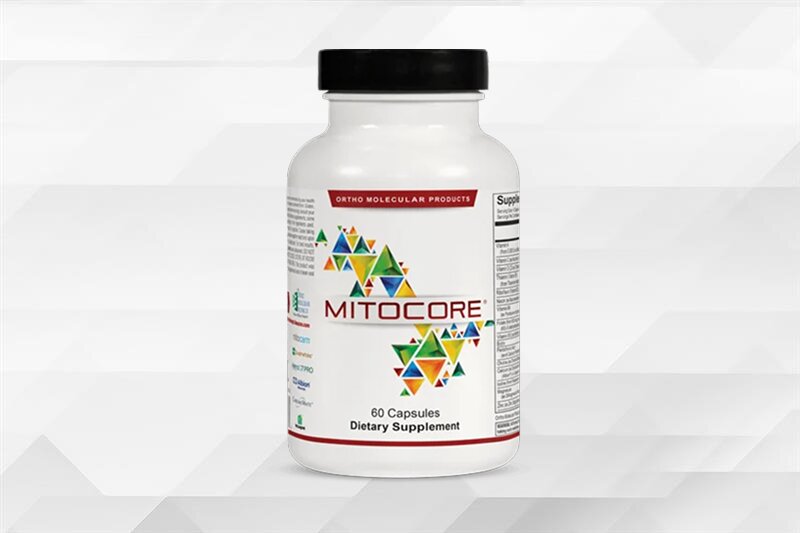
Supports mitochondrial function and metabolic processes to promote daily energy, focus and vitality.
- Supports cellular energy production
- Promotes healthy metabolic function
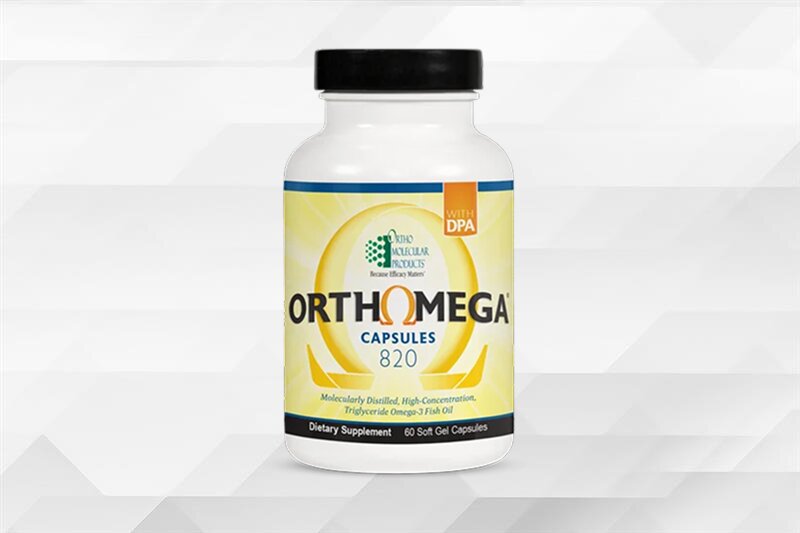
Supports heart, brain, joint, skin, and eye health while helping maintain a healthy inflammatory response.
- Supports cardiovascular health and blood sugar metabolism
- Helps maintain joint health and normal inflammatory balance
Promotes a balanced gut microbiome to support digestion, nutrient absorption, and immune function.
- Supports secretory IgA and gut immune health
- Promotes digestive comfort, bowel regularity, and nutrient absorption

Supports mitochondrial function and metabolic processes to promote daily energy, focus and vitality.
- Supports cellular energy production
- Promotes healthy metabolic function
Supports heart, brain, joint, skin, and eye health while helping maintain a healthy inflammatory response.
- Supports cardiovascular health and blood sugar metabolism
- Helps maintain joint health and normal inflammatory balance
Promotes a balanced gut microbiome to support digestion, nutrient absorption, and immune function.
- Supports secretory IgA and gut immune health
- Promotes digestive comfort, bowel regularity, and nutrient absorption
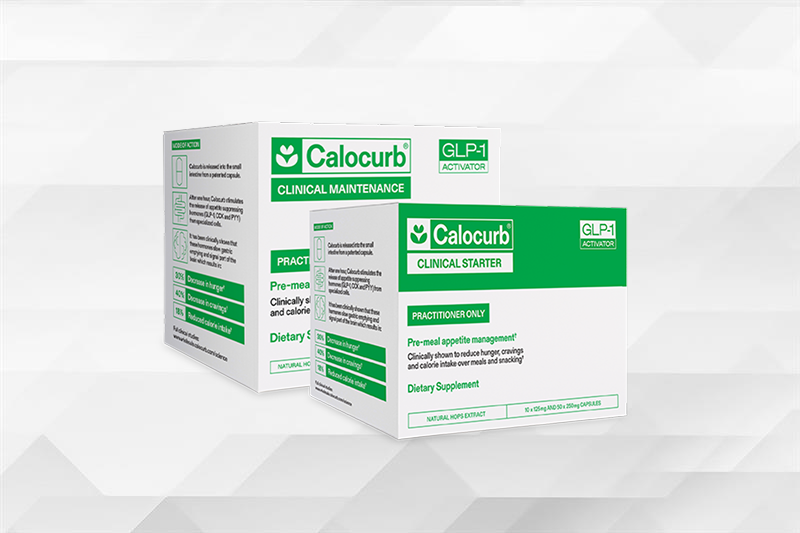
Supports healthy appetite regulation and metabolic function by promoting the body's natural satiety signals.
- Stimulates natural GLP-1, CCK, and PYY release
- Enhances adherence to intermittent fasting and time-restricted eating
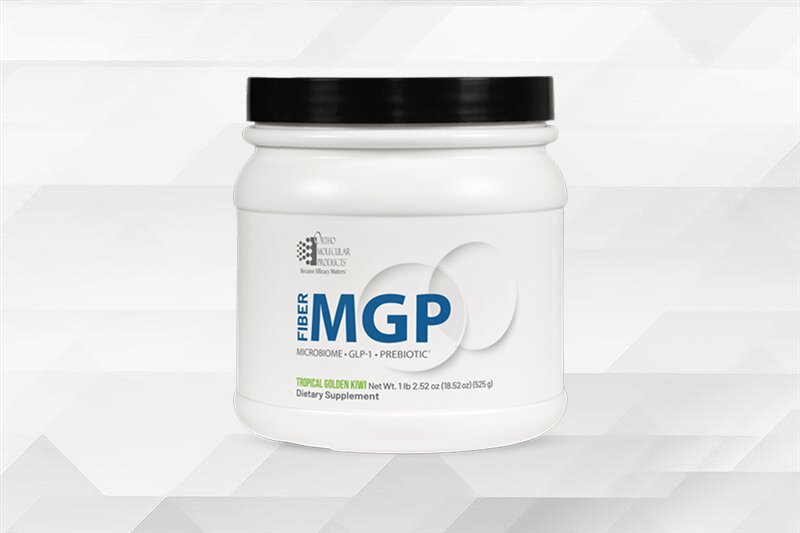
Promotes a balanced gut microbiome to support digestion, nutrient absorption, and immune function.
- Delivers 11 g of fiber to support digestive health
- Supports natural GLP-1 production to help manage appetite
Supports healthy appetite regulation and metabolic function by promoting the body's natural satiety signals.
- Stimulates natural GLP-1, CCK, and PYY release
- Enhances adherence to intermittent fasting and time-restricted eating
Promotes a balanced gut microbiome to support digestion, nutrient absorption, and immune function.
- Delivers 11 g of fiber to support digestive health
- Supports natural GLP-1 production to help manage appetite
From evidence-based formulations and uncompromising quality standards to long-term partnerships with licensed health care practitioners, our purpose-driven approach shapes everything we do.

From evidence-based formulations and uncompromising quality standards to long-term partnerships with licensed health care practitioners, our purpose-driven approach shapes everything we do.
Our evidence-based supplements are available only through licensed health care professionals, reflecting our commitment to the medical community.

Our evidence-based supplements are available only through licensed health care professionals, reflecting our commitment to the medical community.
Our commitment to evidence-based formulation, rigorous quality standards, and practitioner partnership has earned recognition across the health care industry. These distinctions reflect our ongoing focus on scientific integrity, efficacy, and clinical trust.

Our commitment to evidence-based formulation, rigorous quality standards, and practitioner partnership has earned recognition across the health care industry. These distinctions reflect our ongoing focus on scientific integrity, efficacy, and clinical trust.
Access educational product videos, detailed product information sheets, and approved social media assets designed to support licensed health care professionals.

Access educational product videos, detailed product information sheets, and approved social media assets designed to support licensed health care professionals.
Find the right solution for ordering, patient care, and practice growth.

Find the right solution for ordering, patient care, and practice growth.
Tools and programs designed to help independent pharmacies drive front-end growth and long-term patient loyalty.

Tools and programs designed to help independent pharmacies drive front-end growth and long-term patient loyalty.
We partner exclusively with licensed health care professionals to deliver evidence-based supplements and clinical support.

We partner exclusively with licensed health care professionals to deliver evidence-based supplements and clinical support.

Magnesium for Sleep: What the Research Shows
Magnesium supports normal nerve and muscle function, and human research has examined its relationship with sleep. Population studies link higher dietary intake with less short sleep, while placebo-controlled studies have examined sleep onset, sleep quality, and daytime function. Results vary by form, study, and person. Ortho’s Mag Threonate and CereMag include magnesium L-threonate; choose a formula and amount with your practitioner.
We wrote this guide for practitioners and the patients they work with. It covers what magnesium does in the body, what research links it to sleep, how many Americans fall short on magnesium from food, how supplement forms differ, and the questions worth asking before you choose a supplement.
What magnesium does in the body
Magnesium is a mineral your body uses constantly. The NIH Office of Dietary Supplements (ODS) describes it as "a cofactor in more than 300 enzyme systems that regulate diverse biochemical reactions in the body, including protein synthesis, muscle and nerve function, blood glucose control, and blood pressure regulation" (ODS magnesium fact sheet).
Two of those roles matter most for anyone reading about sleep:
- Nerve signaling. ODS notes that magnesium plays a role in moving calcium and potassium across cell membranes, a process that is important to nerve impulse conduction. A review describes magnesium as playing "an essential role in nerve transmission and neuromuscular conduction" (Kirkland et al., 2018).
- Muscle contraction and relaxation. The same ODS passage ties that ion transport to muscle contraction and normal heart rhythm.
At the cell level, magnesium also helps regulate excitatory signaling in nerve cells. The same review describes magnesium as a blockade at a calcium channel in a receptor called the NMDA receptor (Kirkland et al., 2018). Researchers have proposed that magnesium may play a role in sleep through glutamate and GABA signaling (Zhang et al., 2022), which is one reason sleep researchers keep studying it.
What research shows about magnesium and sleep
How research links magnesium and sleep
Three kinds of research shape what we know about magnesium and sleep.
- Magnesium's roles in nerve and muscle function are well established. They come from federal reference sources and decades of physiology research, and they explain why researchers look at magnesium for sleep in the first place.
- Population studies link higher magnesium intake with longer sleep. In CARDIA, a long-running study of 3,964 adults funded by the NIH, people in the highest quarter of magnesium intake were less likely to report short sleep (under 7 hours) than those in the lowest quarter (Zhang et al., 2022). An analysis of US national survey data (NHANES 2005 to 2016) found that adults with short sleep had lower usual intakes of calcium, magnesium, and vitamin D (Ikonte et al., 2019). A 2023 review from Iran that pulled together 9 studies with 7,582 participants reported that observational studies link magnesium status with sleep quality (Arab et al., 2023).
- Placebo-controlled studies point to faster sleep onset and more deep sleep. In a double-blind, placebo-controlled study of 46 older adults, those taking magnesium for 8 weeks fell asleep faster and slept more efficiently than those on placebo (Abbasi et al., 2012). In a sleep-lab study, 12 adults aged 60 to 80 had more deep (slow-wave) sleep while taking magnesium than while taking a placebo (Held et al., 2002). A 2021 review that pooled three placebo-controlled trials in 151 older adults found people fell asleep about 17 minutes faster with magnesium (Mah and Pitre, 2021).
Results vary between studies. Sleep outcomes should be assessed alongside dietary intake, health history, and the person’s response.
How much magnesium do Americans get?
Many Americans, across age groups, get less magnesium from food than their Estimated Average Requirement (EAR). ODS reports that an analysis of NHANES 2013 to 2016 data "found that 48% of Americans of all ages ingest less magnesium from food and beverages than their respective EARs." Adult men aged 71 and older and teenagers were the most likely to have low intakes (ODS magnesium fact sheet). A review reported the same 48% figure for 2005 to 2006, down from 56% in 2001 to 2002 (Rosanoff et al., 2012).
Intake and status are two different measures. ODS points out that most of the body's magnesium sits inside cells or in bone, so "it is difficult to assess magnesium status." A practitioner can help you read your diet and history together.
Food sources of magnesium

Food sources of magnesium
ODS lists "green leafy vegetables, legumes, nuts, seeds, whole grains, and certain beverages" as good sources of magnesium (ODS magnesium fact sheet). If a food log shows you rarely eat these, that is a practical place to start, and it is worth sharing with your practitioner when you talk about a supplement.
Forms of magnesium in supplements
In a supplement, magnesium comes bound to another compound, and that form affects how well it dissolves and is absorbed. Glycinate, sometimes labeled bisglycinate chelate, binds magnesium to the amino acid glycine, and one isotope study suggests part of it is absorbed by a different pathway than mineral salts (Schuette et al., 1994). Some forms also have their own sleep research: in a placebo-controlled study of 155 healthy adults, magnesium bisglycinate modestly improved sleep scores over four weeks, with the biggest gains in people who got less magnesium from food (Schuster et al., 2025).
Magnesium also acts as a cofactor in melatonin synthesis. Melatonin is a hormone involved in regulating circadian rhythm.
What about magnesium L-threonate?
Magnesium L-threonate came out of an MIT lab, where it raised magnesium in the brain in rat studies (Slutsky et al., 2010). Two placebo-controlled human studies of the Magtein® form report sleep-related benefits. In the US, adults taking magnesium L-threonate for three weeks had better wearable-tracked deep and REM sleep scores, felt more rested on waking, and reported better daytime energy and mood, than those on placebo (Hausenblas et al., 2024). In Australia, 100 adults aged 18 to 45 taking it for six weeks reported less sleep-related daytime impairment than those on placebo, and their heart rate was lower and heart-rate variability higher during sleep (Lopresti and Smith, 2025). Magtein® is the form in our Mag Threonate and a component of CereMag, the only magnesium complex shown to specifically increase magnesium levels within the brain.
Other sleep supplement ingredients
Magnesium is one of several ingredients people look at for sleep. Valerian is the most studied botanical for sleep: an analysis of placebo-controlled trials, funded by the NIH, found people taking valerian were more likely to report improved sleep quality, without side effects (Bent et al., 2006). L-theanine, an amino acid found in tea, has its own placebo-controlled sleep research, including a study (Hidese et al., 2019).
How we suggest practitioners approach magnesium and sleep
Where does magnesium fit for a patient who wants better sleep? At Ortho, this is the approach we suggest to practitioners. It mirrors how the studies above were run.
- Start with intake. Review how often the person eats leafy greens, legumes, nuts, seeds, and whole grains. About half of Americans fall short of the EAR from food, so this is a useful starting point.
- Count the total. Add up magnesium from every product the person already takes, including multivitamins and blends, and have the practitioner determine the appropriate total.
- Choose the form for the goal. For everyday magnesium, pick a well-absorbed form the person tolerates. When sleep is the main goal, look at forms with their own sleep research, such as magnesium bisglycinate and magnesium L-threonate.
- Track what the studies tracked. The trials above measured how fast people fell asleep, how efficiently they slept, deep sleep, and how they felt the next day. A simple sleep diary covering time to fall asleep, night wakings, and morning energy gives you and your patient the same kind of read.
- Review together. Agree on a check-in date up front, and adjust the plan from what the diary shows.
Reading a magnesium sleep study with confidence
Headlines about magnesium and sleep often blend different kinds of research. These questions help sort them out:
- Was it a population study or a trial? Population studies such as CARDIA show that two things travel together. A placebo-controlled trial tests whether a supplement changes sleep.
- Was there a placebo group? The strongest studies compare magnesium with a placebo, so both groups share the same expectations.
- How was sleep measured? Questionnaires, consumer wearables, and laboratory sleep studies each capture something different.
Questions to bring to your practitioner
- Does my diet already supply enough magnesium, based on what I eat most weeks?
- Which form and amount would fit me based on my total intake and individual needs?
- Do I already take magnesium in a multivitamin or another blend?
- What else could be affecting my sleep, and what should we try first?
Supplements as part of a sleep routine
Sleep depends on many things, including schedule, light, stress, and health history. At Ortho, we see supplements as one part of a plan built with your practitioner, alongside those daily habits. If you sleep poorly most nights, start with that conversation.
Safety and medications
- Individual dosing. Review magnesium from all supplements with your practitioner, who can determine an appropriate amount based on your needs, health history, kidney function, and medications.
- Stomach effects. ODS notes that high amounts of magnesium from dietary supplements can cause diarrhea, nausea, and abdominal cramping, and lists magnesium carbonate, chloride, gluconate, and oxide as the forms most commonly reported to cause diarrhea.
- Medications and health conditions. Taking a medication or managing a health condition? Check with your practitioner before you add magnesium. If you have a question about pairing an Ortho product with a medication you take, call or email our customer service team at 1-800-332-2351 or contactus@ompimail.com (7am to 6pm CST).
What practitioners use
These are the Ortho formulas whose product pages carry sleep wording, described in our product page language.
- Mag Threonate. Provides Magnesium L-Threonate (Magtein®). Its product page lists "Improves Sleep Quality Including Time Spent in Deep and REM Sleep" among its clinical applications.
- Botanicalm PM. "Botanicalm PM is formulated to induce the relaxation needed to support better sleep for those experiencing temporary sleeplessness." It is a botanical and amino acid formula and contains no magnesium.
Reacted Magnesium capsules combine three magnesium forms. Reacted Magnesium Powder provides magnesium bisglycinate chelate. Review the full magnesium family with your practitioner to choose a form for your goals.
Additional magnesium options
CereMag combines magnesium L-threonate, magnesium glycerophosphate, and magnesium acetyltaurinate in a powder. Its applications include cognitive support and sleep quality. Reacted Magnesium Powder provides magnesium bisglycinate chelate for everyday magnesium intake and muscle relaxation. Compare the elemental magnesium per serving and your total intake with your practitioner.
How to get Ortho products
Every Ortho product is available only through licensed practitioners. To order, a practitioner can open a practitioner account. Practitioner pricing: log in. Patients can ask their practitioner whether ordering through the Clinical Care Path™ suits them.
Frequently asked questions
Does magnesium help you sleep? Magnesium supports normal nerve and muscle function, and it has been studied for sleep. A large study found adults with the highest magnesium intake were less likely to report short sleep, and placebo-controlled studies of older adults found faster sleep onset and more deep sleep with magnesium. Results vary between studies, so talk with your practitioner about whether it fits your plan.
Which form of magnesium is used for sleep? Several forms have been studied. Magnesium bisglycinate modestly improved sleep scores in a placebo-controlled study of 155 healthy adults, and magnesium L-threonate has two placebo-controlled sleep studies, focused on sleep outcomes. Forms also differ in how well they dissolve and are absorbed, so ask your practitioner which form fits you.
Can I get enough magnesium from food? Many people can. Leafy greens, legumes, nuts, seeds, and whole grains are good sources. NHANES data show that 48% of Americans of all ages get less magnesium from food and beverages than their EAR, so a food review is a useful first step.
Is it safe to take magnesium with my medications? Ask your practitioner before you combine them. Ortho's customer service team takes questions about Ortho products and medications at 1-800-332-2351 or contactus@ompimail.com.
Next step
Practitioners: open an Ortho account. Patients: bring this guide to your next visit and ask whether magnesium belongs in your plan.
Back to all magnesium supplements
These statements have not been evaluated by the Food and Drug Administration. These products are not intended to diagnose, treat, cure or prevent any disease.


These statements have not been evaluated by the Food and Drug Administration. These products are not intended to diagnose, treat, cure or prevent any disease.
