


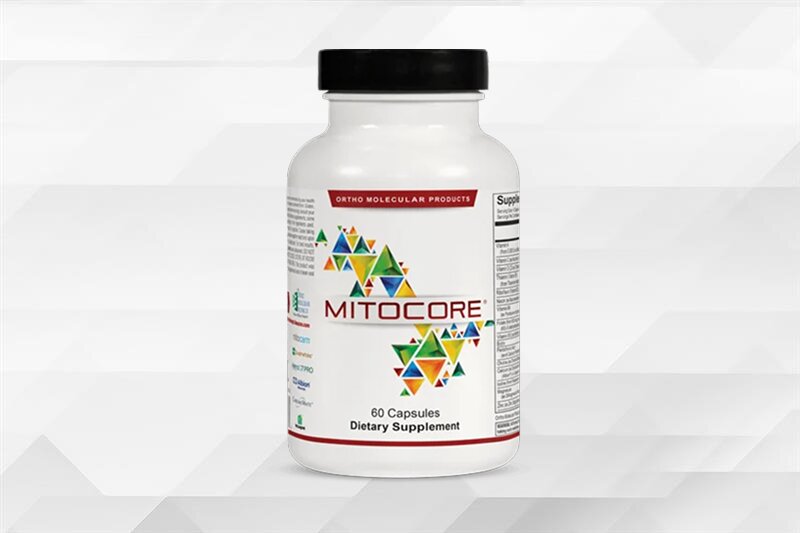
Supports mitochondrial function and metabolic processes to promote daily energy, focus and vitality.
- Supports cellular energy production
- Promotes healthy metabolic function
Supports heart, brain, joint, skin, and eye health while helping maintain a healthy inflammatory response.
- Supports cardiovascular health and blood sugar metabolism
- Helps maintain joint health and normal inflammatory balance

Promotes a balanced gut microbiome to support digestion, nutrient absorption, and immune function.
- Supports secretory IgA and gut immune health
- Promotes digestive comfort, bowel regularity, and nutrient absorption
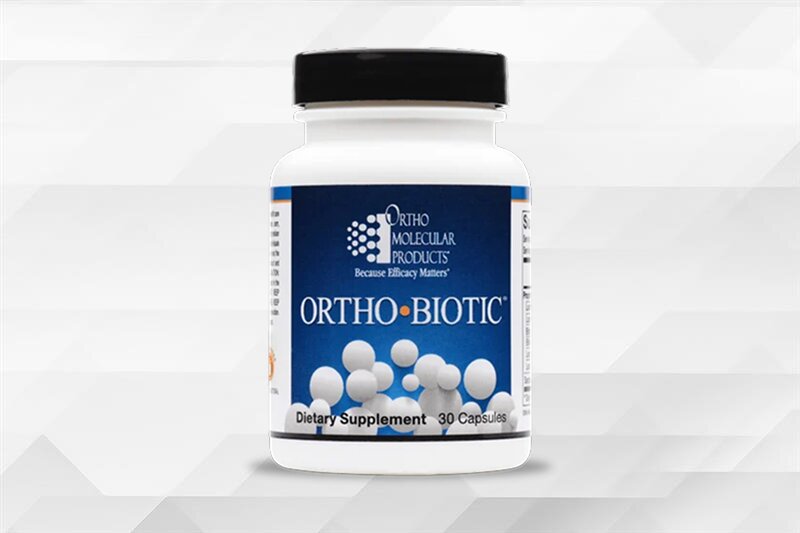
Supports mitochondrial function and metabolic processes to promote daily energy, focus and vitality.
- Supports cellular energy production
- Promotes healthy metabolic function
Supports heart, brain, joint, skin, and eye health while helping maintain a healthy inflammatory response.
- Supports cardiovascular health and blood sugar metabolism
- Helps maintain joint health and normal inflammatory balance
Promotes a balanced gut microbiome to support digestion, nutrient absorption, and immune function.
- Supports secretory IgA and gut immune health
- Promotes digestive comfort, bowel regularity, and nutrient absorption
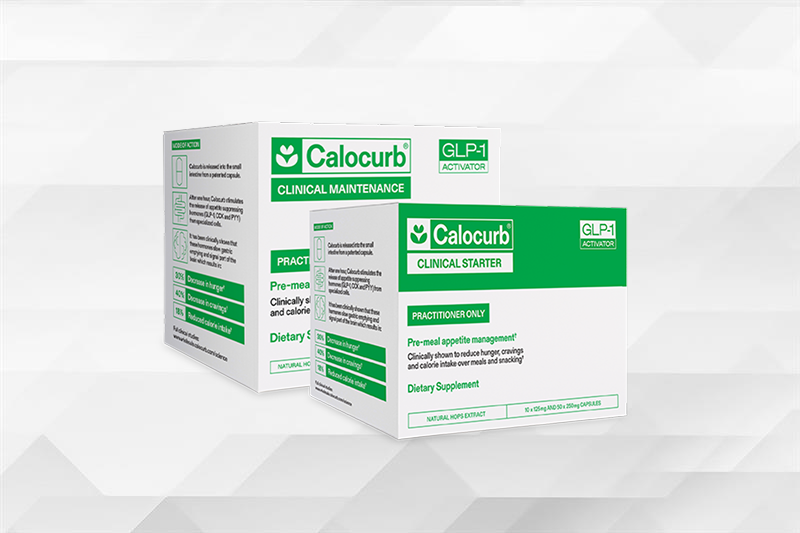
Supports healthy appetite regulation and metabolic function by promoting the body's natural satiety signals.
- Stimulates natural GLP-1, CCK, and PYY release
- Enhances adherence to intermittent fasting and time-restricted eating
Promotes a balanced gut microbiome to support digestion, nutrient absorption, and immune function.
- Delivers 11 g of fiber to support digestive health
- Supports natural GLP-1 production to help manage appetite
Supports healthy appetite regulation and metabolic function by promoting the body's natural satiety signals.
- Stimulates natural GLP-1, CCK, and PYY release
- Enhances adherence to intermittent fasting and time-restricted eating
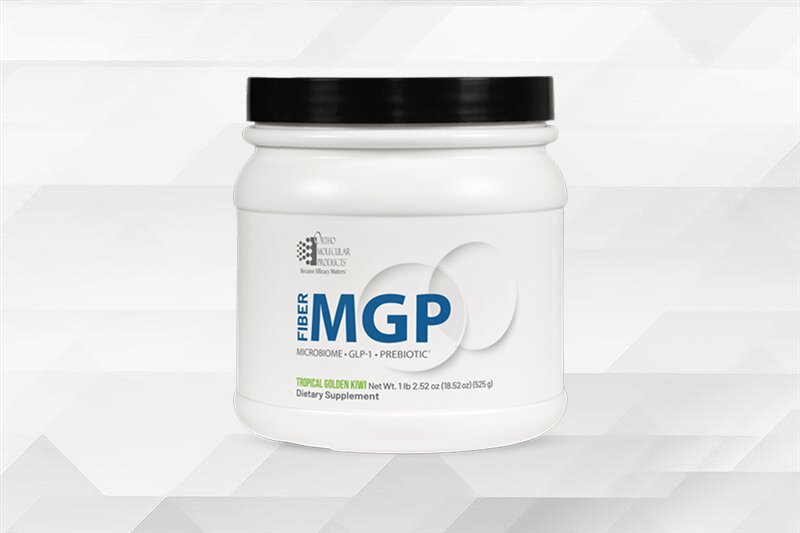
Promotes a balanced gut microbiome to support digestion, nutrient absorption, and immune function.
- Delivers 11 g of fiber to support digestive health
- Supports natural GLP-1 production to help manage appetite
From evidence-based formulations and uncompromising quality standards to long-term partnerships with licensed health care practitioners, our purpose-driven approach shapes everything we do.

From evidence-based formulations and uncompromising quality standards to long-term partnerships with licensed health care practitioners, our purpose-driven approach shapes everything we do.
Our evidence-based supplements are available only through licensed health care professionals, reflecting our commitment to the medical community.

Our evidence-based supplements are available only through licensed health care professionals, reflecting our commitment to the medical community.
Our commitment to evidence-based formulation, rigorous quality standards, and practitioner partnership has earned recognition across the health care industry. These distinctions reflect our ongoing focus on scientific integrity, efficacy, and clinical trust.

Our commitment to evidence-based formulation, rigorous quality standards, and practitioner partnership has earned recognition across the health care industry. These distinctions reflect our ongoing focus on scientific integrity, efficacy, and clinical trust.
Access educational product videos, detailed product information sheets, and approved social media assets designed to support licensed health care professionals.

Access educational product videos, detailed product information sheets, and approved social media assets designed to support licensed health care professionals.
Find the right solution for ordering, patient care, and practice growth.

Find the right solution for ordering, patient care, and practice growth.
Tools and programs designed to help independent pharmacies drive front-end growth and long-term patient loyalty.

Tools and programs designed to help independent pharmacies drive front-end growth and long-term patient loyalty.
We partner exclusively with licensed health care professionals to deliver evidence-based supplements and clinical support.

We partner exclusively with licensed health care professionals to deliver evidence-based supplements and clinical support.

Magnesium Glycinate vs Citrate: How the Two Forms Compare
TL;DR: Magnesium citrate and magnesium glycinate are two common supplement forms, and each has research behind it. Citrate dissolves well, was absorbed better than magnesium oxide in a study, and supported healthy magnesium status in a USDA study of older adults whose status was low. Glycinate, also labeled bisglycinate chelate, is magnesium bound to the amino acid glycine, and in a placebo-controlled study of 155 healthy adults it modestly improved sleep scores over four weeks. Your goal, your stomach, and the label decide which one fits.
People often ask this question when they are choosing among magnesium supplements. At Ortho, we use both forms in our own formulas, so we wrote this page to set out what each form is, how it is absorbed, how it tends to sit with the stomach, what the sleep research shows, and how to read the label.
Glycinate vs citrate at a glance
Magnesium citrate and glycinate, side by side
| Magnesium citrate | Magnesium glycinate | |
|---|---|---|
| What it is | Magnesium bound to citric acid, an organic salt that dissolves well in liquid | Magnesium bound to the amino acid glycine (a chelate), also labeled diglycinate or bisglycinate chelate |
| Absorption research | A study in normal volunteers and studies summarized by ODS show it absorbed more completely than magnesium oxide | An isotope study suggests part of it is absorbed intact by a different pathway than mineral salts |
| Stomach comfort | Not included in the ODS list of forms most often reported to cause diarrhea | Not included in the ODS list of forms most often reported to cause diarrhea |
| Sleep research | Studied in a USDA trial of older adults, mainly for magnesium status | Placebo-controlled study of 155 healthy adults, with modest gains in sleep scores |
The ODS list shows which forms are reported most often, and any form can upset the stomach at high amounts.
What is magnesium citrate?
Magnesium citrate pairs magnesium with citric acid. It belongs to the group of forms that dissolve well in liquid. ODS explains that "forms of magnesium that dissolve well in liquid are more completely absorbed in the gut than less soluble forms" (ODS magnesium fact sheet).
Citrate has the deeper absorption record of the two. In a study in normal volunteers, researchers concluded that "magnesium citrate was more soluble and bioavailable than magnesium oxide" (Lindberg et al., 1990). In a USDA trial of about 100 adults aged 51 and older, magnesium citrate supported healthy magnesium status in participants whose status was low (Nielsen et al., 2010).
What is magnesium glycinate?
Magnesium glycinate pairs magnesium with glycine. Because the mineral is bound to an amino acid, it is called a chelate. Labels may call it magnesium glycinate, magnesium diglycinate, or magnesium bisglycinate chelate.
One isotope study suggests part of it may be absorbed by a different pathway than mineral salts. The researchers wrote that "some portion of magnesium diglycinate is absorbed intact, probably via a dipeptide transport pathway" (Schuette et al., 1994).
Glycinate also has its own sleep research. In a randomized, double-blind, placebo-controlled study of 155 healthy adults who reported poor sleep, magnesium bisglycinate modestly improved sleep scores over four weeks compared with placebo, with the biggest gains in people who got less magnesium from food (Schuster et al., 2025).
Stomach comfort
ODS notes that "the forms of magnesium that are most commonly reported to cause diarrhea include magnesium carbonate, chloride, gluconate, and oxide." Citrate and glycinate are not included in that list. Per ODS, high intakes from supplements can bring diarrhea, nausea, and cramping in any form.
If a magnesium supplement upsets your stomach, tell your practitioner, who can review the form and amount with you.
Is glycinate or citrate better for sleep?
Each form brings something different. Glycinate's sleep research is the placebo-controlled trial above, where bisglycinate modestly improved sleep scores. Citrate's main sleep-related trial, from the USDA, focused on magnesium status, and sleep scores improved in both its magnesium and placebo groups (Nielsen et al., 2010). With no head-to-head sleep trial, we suggest choosing with your practitioner based on your goal, your diet, and how each form sits with you.
How we match a form to the person
At Ortho, we think of form as a tool chosen for the goal. This is how we suggest practitioners frame the choice:
- Everyday magnesium intake. Choose a well-absorbed form your patient tolerates, then review total intake with your practitioner.
- Stomach comfort first. Look at forms not included in the ODS list of those most often reported to cause diarrhea, such as citrate and glycinate, and adjust from how the person responds.
- Sleep as the main goal. Look at forms with sleep research, such as magnesium L-threonate. Ortho’s Mag Threonate and CereMag include this form; compare the full formulations with your practitioner.
- More than one form. Some formulas combine forms in one product. Our Reacted Magnesium capsules product does this, pairing three forms that our product page describes as providing magnesium "for enhanced absorption, improved utilization and gastrointestinal (GI) comfort."
How to read a magnesium label
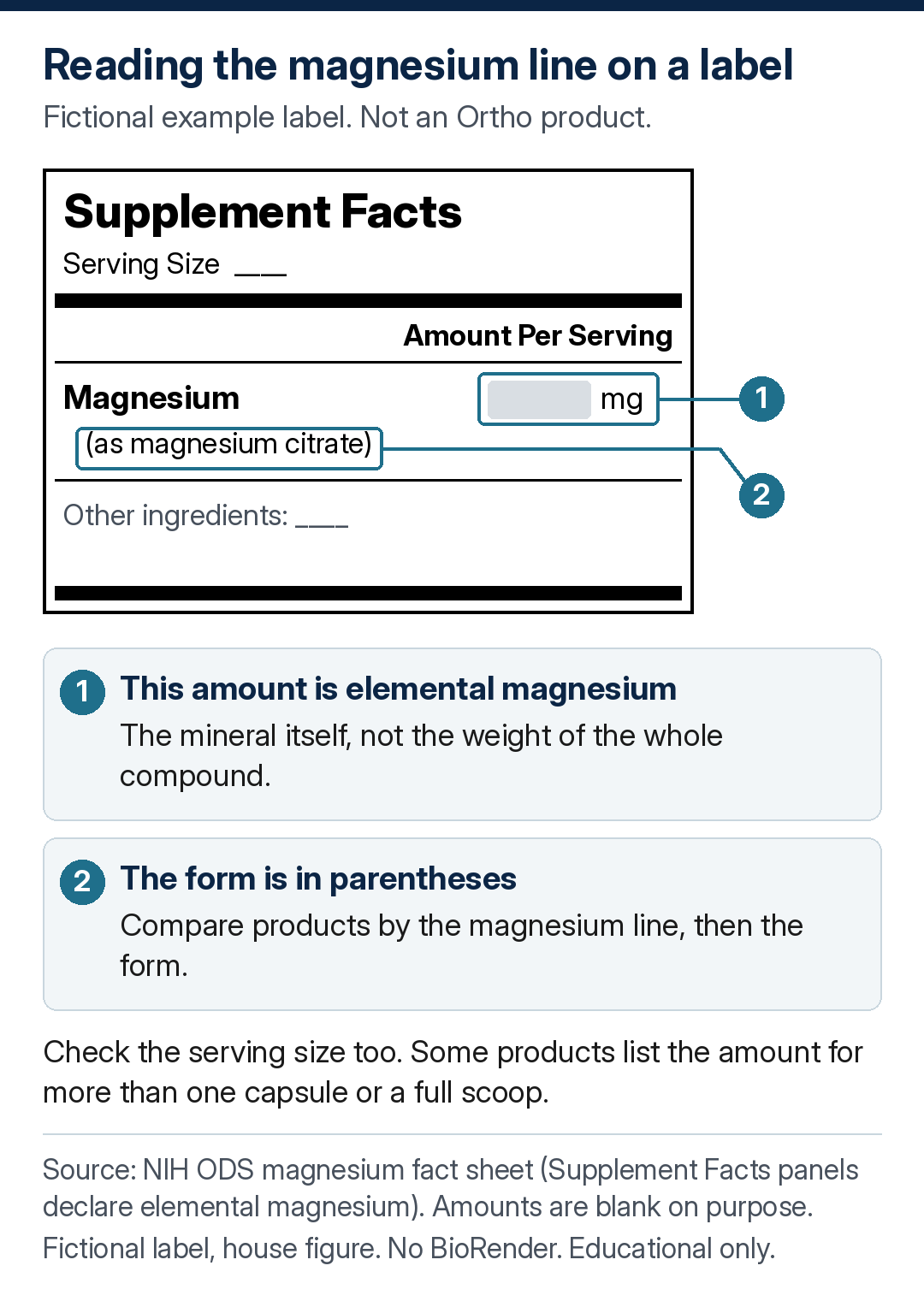
Reading the magnesium line on a label
The number that matters is elemental magnesium. ODS explains that "the Supplement Facts panel on a dietary supplement label declares the amount of elemental magnesium in the product, not the weight of the entire magnesium-containing compound." The form appears in parentheses after the magnesium line, for example "(as magnesium citrate)."
That means two products listing the same amount of magnesium deliver the same amount of the mineral, even if one compound is heavier. Compare the magnesium line, then the form.
Ortho magnesium products by form
These are the forms on each product's Supplement Facts label.
- Reacted Magnesium is our three-form blend. Its label lists magnesium "(as DiMagnesium Malate, Magnesium Citrate USP, Albion® Minerals Magnesium Lysinate Glycinate Chelate)." Its product page describes it as providing "Three Forms of Highly Absorbed Magnesium for a Variety of Protocols." Because it combines three forms, we describe it as a blend.
- Reacted Magnesium Powder uses a single form. Its label lists magnesium "(as Albion® Magnesium Bisglycinate Chelate)." Its product page describes it as providing "Magnesium Bisglycinate Chelate for Optimal Absorption and GI Comfort."
These formulas support everyday magnesium intake. Mag Threonate and CereMag provide additional options that include magnesium L-threonate; compare the product labels with your practitioner.
Medications and health conditions
Medications and health conditions can change whether magnesium suits you, and this page gives no interaction advice. If you have a question about an Ortho product and a medication, our customer service team can help at 1-800-332-2351 or contactus@ompimail.com (7am to 6pm CST).
Additional magnesium options
CereMag combines magnesium L-threonate, magnesium glycerophosphate, and magnesium acetyltaurinate in a powder. Its applications include cognitive support and sleep quality. Reacted Magnesium Powder provides magnesium bisglycinate chelate for everyday magnesium intake and muscle relaxation. Compare the elemental magnesium per serving and your total intake with your practitioner.
How to get Ortho products
Like the rest of our line, these magnesium products are available only through licensed practitioners. A practitioner can open a practitioner account to order and see practitioner pricing.
Frequently asked questions
Can magnesium glycinate cause loose stools? It can, especially at higher amounts, as any magnesium supplement can, according to ODS. Glycinate is not included in the ODS list of forms most often reported to cause diarrhea, and your practitioner can adjust the form or amount if it happens.
What is the downside of taking magnesium citrate? Like other forms, citrate can cause diarrhea, nausea, or cramping at high amounts, according to ODS. Check your total supplemental magnesium with your practitioner.
Who should avoid magnesium glycinate? Anyone who takes medications or has a health condition should check before starting any magnesium supplement. Questions about a particular Ortho product can go to Ortho's customer service team at 1-800-332-2351 or contactus@ompimail.com.
Is magnesium glycinate better than citrate for sleep? Each form has its own research. Magnesium bisglycinate modestly improved sleep scores in a placebo-controlled study of 155 healthy adults, while citrate stands out for its absorption and magnesium-status data. The two have not been compared head to head for sleep, so choose with your practitioner based on your goal and how each sits with you.
Is Reacted Magnesium a magnesium glycinate product? Reacted Magnesium capsules contain a blend of three forms: DiMagnesium Malate, Magnesium Citrate USP, and Albion® Minerals Magnesium Lysinate Glycinate Chelate. Our single-form glycinate product, Reacted Magnesium Powder, is made with Albion® Magnesium Bisglycinate Chelate. Both are everyday magnesium formulas, and our magnesium L-threonate formulas are Mag Threonate and CereMag.
Next step
Practitioners: open an Ortho account. Patients: bring the label of any magnesium you take to your next visit.
These statements have not been evaluated by the Food and Drug Administration. These products are not intended to diagnose, treat, cure or prevent any disease.


These statements have not been evaluated by the Food and Drug Administration. These products are not intended to diagnose, treat, cure or prevent any disease.
