


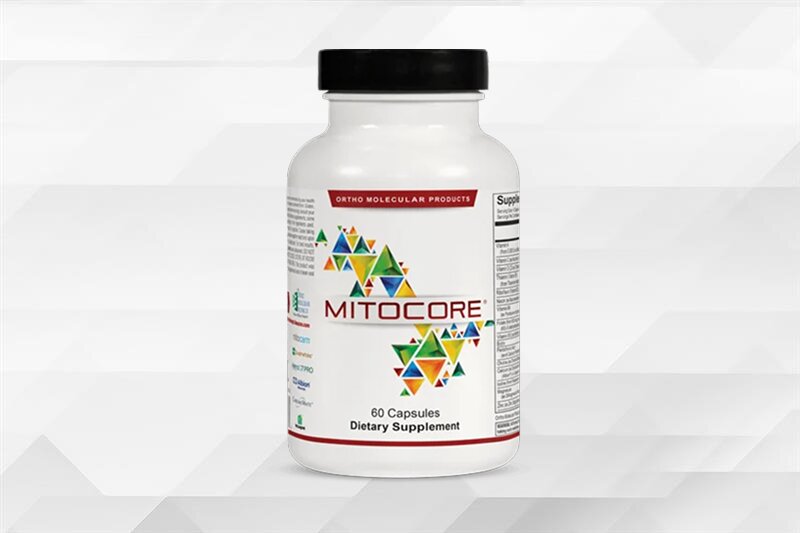
Supports mitochondrial function and metabolic processes to promote daily energy, focus and vitality.
- Supports cellular energy production
- Promotes healthy metabolic function
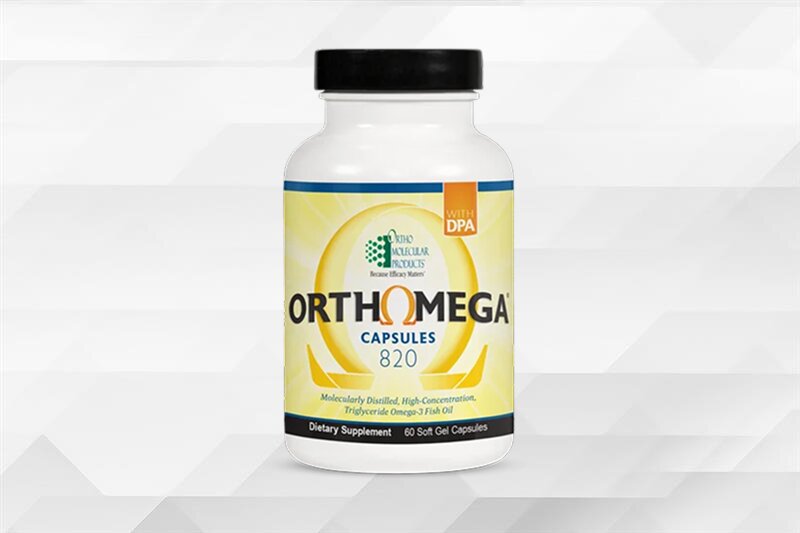
Supports heart, brain, joint, skin, and eye health while helping maintain a healthy inflammatory response.
- Supports cardiovascular health and blood sugar metabolism
- Helps maintain joint health and normal inflammatory balance
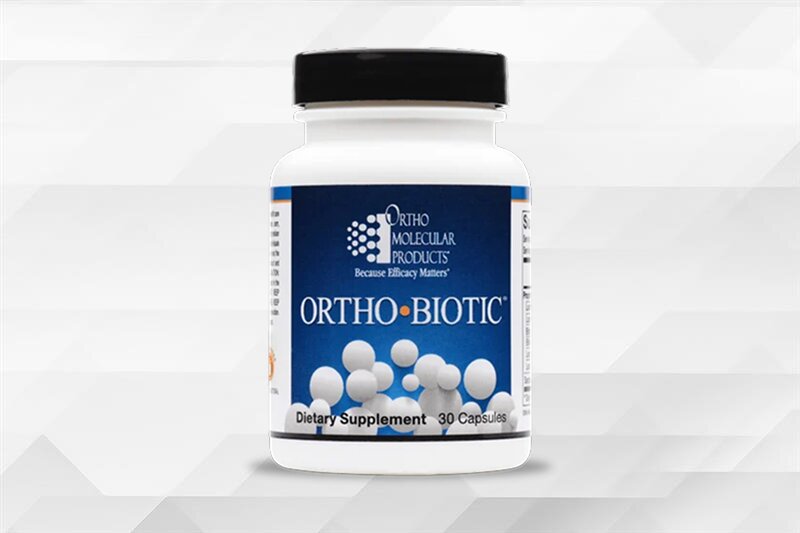
Promotes a balanced gut microbiome to support digestion, nutrient absorption, and immune function.
- Supports secretory IgA and gut immune health
- Promotes digestive comfort, bowel regularity, and nutrient absorption
Supports mitochondrial function and metabolic processes to promote daily energy, focus and vitality.
- Supports cellular energy production
- Promotes healthy metabolic function
Supports heart, brain, joint, skin, and eye health while helping maintain a healthy inflammatory response.
- Supports cardiovascular health and blood sugar metabolism
- Helps maintain joint health and normal inflammatory balance
Promotes a balanced gut microbiome to support digestion, nutrient absorption, and immune function.
- Supports secretory IgA and gut immune health
- Promotes digestive comfort, bowel regularity, and nutrient absorption
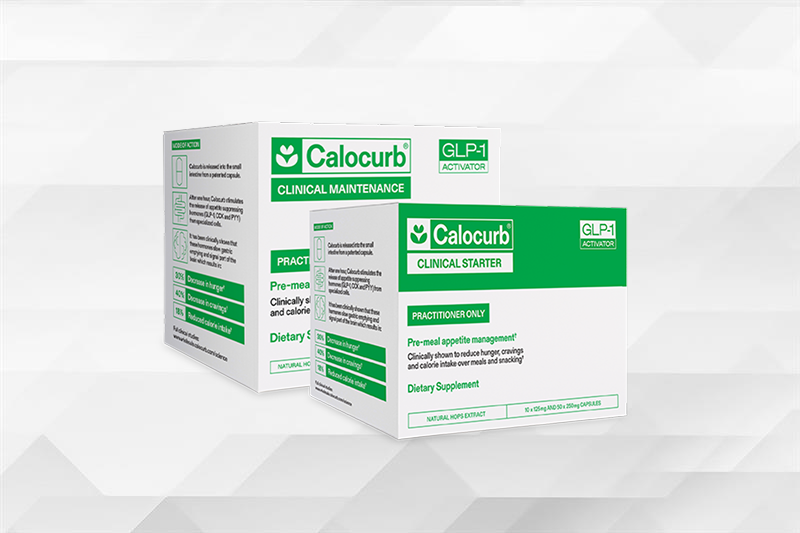
Supports healthy appetite regulation and metabolic function by promoting the body's natural satiety signals.
- Stimulates natural GLP-1, CCK, and PYY release
- Enhances adherence to intermittent fasting and time-restricted eating
Promotes a balanced gut microbiome to support digestion, nutrient absorption, and immune function.
- Delivers 11 g of fiber to support digestive health
- Supports natural GLP-1 production to help manage appetite
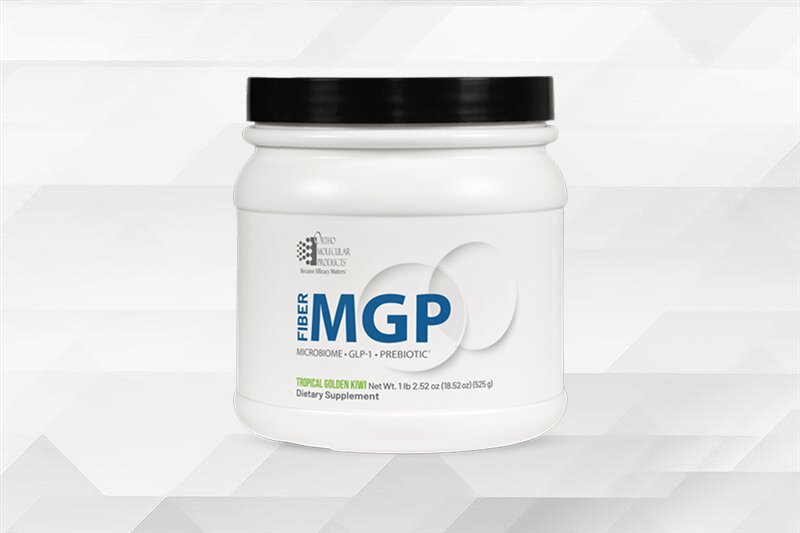
Supports healthy appetite regulation and metabolic function by promoting the body's natural satiety signals.
- Stimulates natural GLP-1, CCK, and PYY release
- Enhances adherence to intermittent fasting and time-restricted eating
Promotes a balanced gut microbiome to support digestion, nutrient absorption, and immune function.
- Delivers 11 g of fiber to support digestive health
- Supports natural GLP-1 production to help manage appetite
From evidence-based formulations and uncompromising quality standards to long-term partnerships with licensed health care practitioners, our purpose-driven approach shapes everything we do.

From evidence-based formulations and uncompromising quality standards to long-term partnerships with licensed health care practitioners, our purpose-driven approach shapes everything we do.
Our evidence-based supplements are available only through licensed health care professionals, reflecting our commitment to the medical community.

Our evidence-based supplements are available only through licensed health care professionals, reflecting our commitment to the medical community.
Our commitment to evidence-based formulation, rigorous quality standards, and practitioner partnership has earned recognition across the health care industry. These distinctions reflect our ongoing focus on scientific integrity, efficacy, and clinical trust.

Our commitment to evidence-based formulation, rigorous quality standards, and practitioner partnership has earned recognition across the health care industry. These distinctions reflect our ongoing focus on scientific integrity, efficacy, and clinical trust.
Access educational product videos, detailed product information sheets, and approved social media assets designed to support licensed health care professionals.

Access educational product videos, detailed product information sheets, and approved social media assets designed to support licensed health care professionals.
Find the right solution for ordering, patient care, and practice growth.

Find the right solution for ordering, patient care, and practice growth.
Tools and programs designed to help independent pharmacies drive front-end growth and long-term patient loyalty.

Tools and programs designed to help independent pharmacies drive front-end growth and long-term patient loyalty.
We partner exclusively with licensed health care professionals to deliver evidence-based supplements and clinical support.

We partner exclusively with licensed health care professionals to deliver evidence-based supplements and clinical support.

Magnesium L-Threonate: What the Research Shows
TL;DR: Magnesium L-threonate (MgT) is magnesium bound to L-threonate, a form developed by researchers at MIT to carry magnesium into the brain. In placebo-controlled human studies of the Magtein® form, adults with sleep complaints had better wearable-tracked deep and REM sleep scores, woke feeling more rested, and reported better next-day energy, mood, and alertness. Magtein® is the form in our Mag Threonate and a component of CereMag, which supports sleep quality, mental focus, and emotional wellbeing.
Magnesium threonate gets a lot of attention because it was designed with the brain in mind. This page covers where it came from, what the human studies found for sleep and focus, and how practitioners can put those results to work. For our full range of magnesium supplements, see the magnesium hub.
What is magnesium L-threonate?
Magnesium L-threonate is a supplement form in which magnesium is bound to L-threonate. You will see it called magnesium threonate, magnesium L-threonate, or MgT. Magtein® is a branded form of magnesium L-threonate.
Like every magnesium supplement, MgT provides the mineral magnesium. ODS counts magnesium as a cofactor for more than 300 enzyme systems, among them those tied to muscle and nerve function (ODS magnesium fact sheet). In a review (Kirkland et al., 2018), magnesium is called essential to "nerve transmission and neuromuscular conduction." What sets MgT apart is the threonate half of the pair.
Where magnesium L-threonate came from
Moving magnesium from the blood into the brain is a tightly regulated process. In 2010, researchers at MIT published their work on magnesium L-threonate, a compound built to get past that bottleneck. Our Mag Threonate and CereMag use this form, the only magnesium complex shown to specifically increase magnesium levels within the brain. In rats, it raised magnesium in the brain and the fluid around it, and the animals learned and remembered better (Slutsky et al., 2010). In that work, conventional magnesium salts did not raise brain magnesium the same way (Liu et al., 2016, summarizing the MIT findings).
Later lab work showed why threonate matters. L-threonate occurs naturally in the fluid around the brain and spinal cord. In cultured nerve cells, threonate raised the magnesium inside the cells through glucose transporters, and it increased the number of working connections between cells. The other common magnesium partners tested, including citrate, glycinate, gluconate, and malate, did not. Threonate had the same effect on human nerve cells grown from stem cells (Sun et al., 2016).
In people, MgT is absorbed. In a 12-week placebo-controlled study, magnesium in red blood cells rose in adults taking MgT while it dipped slightly on placebo, and the MgT group excreted more magnesium, both signs that the body was taking it up (Liu et al., 2016).
Magnesium L-threonate: from the lab to human sleep studies
What human studies show for sleep
The best-known MgT sleep study included eighty adults aged 35 to 55 with self-reported sleep problems took Magtein® magnesium L-threonate or a placebo every evening for 21 days in a randomized, double-blind trial (Hausenblas et al., 2024). Compared with placebo, the MgT group had:
- Better sleep stage scores. On a wearable sleep ring, deep sleep and REM sleep scores held steady in the MgT group while they slipped in the placebo group, a significant difference between the groups.
- Better mornings. The MgT group improved more on how they felt after waking, and by the end of the study 62% said they felt more rested on waking, against 29% on placebo. 57% said their sleep felt more refreshing, against 29%.
- Better days. Daily diaries showed greater gains in daytime energy and productivity. The MgT group also improved more on mood, grouchiness, and mental alertness.
On a standard sleep questionnaire, both groups improved in the first week. After that, the placebo group leveled off while the MgT group kept improving through weeks two and three.
A second placebo-controlled study, run, followed 100 adults aged 18 to 45 who were dissatisfied with their sleep. After six weeks, adults taking Magtein® reported less sleep-related daytime impairment than those on placebo, and their heart rate was lower and heart-rate variability higher during sleep (Lopresti and Smith, 2025).
What human studies show for focus and mood
The same research supports MgT beyond sleep. In the 12-week study of men and women between 50 and 70 years of age with self-reported complaints of cognition (memory and concentration), adults taking MgT improved on executive function and working memory, and their overall cognitive scores improved more than with placebo (Liu et al., 2016). The sleep study also found greater gains in overall cognitive performance and reaction time with Magtein® than with placebo (Lopresti and Smith, 2025).
That is the research behind the clinical applications listed for our Mag Threonate, including "Enhances Mental Focus and Clarity" and "Supports Mental and Emotional Wellbeing."
What the studies measured, and why it matters in practice
The MgT studies looked past a single sleep score, which makes them useful for practitioners:
- Sleep stages from a wearable. The study used a consumer ring that estimates deep and REM sleep. If a patient already wears one, its trend lines give you a familiar starting point. A ring is an estimate, and a laboratory sleep study measures sleep stages directly.
- How the morning feels. Feeling rested and refreshed on waking moved more with MgT than with placebo. These are outcomes patients notice and can report.
- How the day goes. In the study, daily energy, productivity, mood, and mental alertness scores favored MgT.
- Overnight heart patterns. The study tracked heart rate and heart-rate variability during sleep, another signal many wearables report.
At Ortho, we suggest pairing those measures with a simple sleep diary: how long it takes to fall asleep, nighttime awakenings, and energy in the morning.
Questions to ask before trying MgT
If you are considering MgT, these questions are worth raising with your practitioner:
- What is the goal? If it is sleep quality, how rested you feel, or how you feel the next day, those are the outcomes the MgT studies tracked.
- How much magnesium am I already getting? Food, multivitamins, and other blends all count, and MgT adds to the total from supplements.
- How will we judge whether it helps? The published sleep studies ran three and six weeks, which gives you and your practitioner a reference point for a check-in.
- Is the label clear? The Supplement Facts panel should name the form, magnesium L-threonate, and show the elemental magnesium per serving.
How MgT compares with other magnesium forms
Each form has its own strengths, and our magnesium glycinate vs citrate comparison covers the two most common ones. Bisglycinate is a chelate bound to glycine, and a placebo-controlled study of 155 healthy adults found it modestly improved sleep scores over four weeks (Schuster et al., 2025). MgT stands out for its brain focus: it was built to raise brain magnesium, and its human studies tracked sleep stages, next-day function, and focus. The right choice comes down to your goal and how each form suits you.
Safety and medications
Count it alongside any other magnesium you take. In the sleep study, side effects were few and mild, and fewer were reported with MgT than with placebo (Hausenblas et al., 2024). For questions about Ortho products and medications, contact our customer service team at 1-800-332-2351 or contactus@ompimail.com (7am to 6pm CST).
What practitioners use
- Mag Threonate. Our MgT formula. It delivers 2 g of Magnesium L-Threonate (Magtein®), the same branded ingredient tested in the studies above, in two capsules. Its clinical applications include "Improves Sleep Quality Including Time Spent in Deep and REM Sleep," "Enhances Mental Focus and Clarity," and "Supports Mental and Emotional Wellbeing." A related benefit is "Improves Memory and Cognition in Those with Age-Related Memory Decline." It promotes quality of life by supporting a balanced sleep-wake cycle and mood.
Additional magnesium options
CereMag combines magnesium L-threonate, magnesium glycerophosphate, and magnesium acetyltaurinate in a powder. Its applications include cognitive support and sleep quality. Reacted Magnesium Powder provides magnesium bisglycinate chelate for everyday magnesium intake and muscle relaxation. Compare the elemental magnesium per serving and your total intake with your practitioner.
How to get Ortho products
Mag Threonate, like the rest of our catalog, is available only through licensed practitioners. A practitioner who wants to order can open a practitioner account. Patients can ask their own practitioner about the Clinical Care Path™.
Frequently asked questions
What is magnesium L-threonate? It is a supplement form of magnesium bound to L-threonate, developed by MIT researchers to carry magnesium into the brain. It is also called magnesium threonate or MgT, and Magtein® is a branded version.
What are the benefits of magnesium L-threonate? It supplies magnesium, which supports normal nerve and muscle function. In placebo-controlled human studies of the Magtein® form, adults had better wearable-tracked deep and REM sleep scores, felt more rested on waking, and reported better daytime energy, mood, and alertness. A 12-week study also found improvements in working memory and executive function.
Does magnesium threonate help with sleep? In a three-week placebo-controlled study, adults with sleep complaints who took Magtein® magnesium L-threonate had better wearable-tracked deep and REM sleep scores, felt more rested on waking, and reported more daytime energy than those on placebo. A six-week study found less sleep-related daytime impairment. Ask your practitioner whether it belongs in your plan.
Does magnesium L-threonate raise brain magnesium? Our Mag Threonate and CereMag use this form, the only magnesium complex shown to specifically increase magnesium levels within the brain. In rat studies, it raised magnesium in the brain where conventional magnesium salts did not, and in lab studies threonate raised magnesium inside nerve cells. In people, a study found that magnesium in red blood cells rose with MgT while it dipped slightly on placebo, a sign the body takes it up.
Is magnesium threonate better than glycinate for sleep? Each has its own sleep research. Magnesium L-threonate is backed by placebo-controlled trials in the US and Australia that tracked sleep stages and next-day function, and magnesium bisglycinate has one. They have not been compared head to head, so the choice comes down to your goal and how each suits you.
Next step
Practitioners: open an Ortho account. Patients: ask your practitioner whether MgT fits your plan, and bring this page if it helps.
These statements have not been evaluated by the Food and Drug Administration. These products are not intended to diagnose, treat, cure or prevent any disease.


These statements have not been evaluated by the Food and Drug Administration. These products are not intended to diagnose, treat, cure or prevent any disease.
