


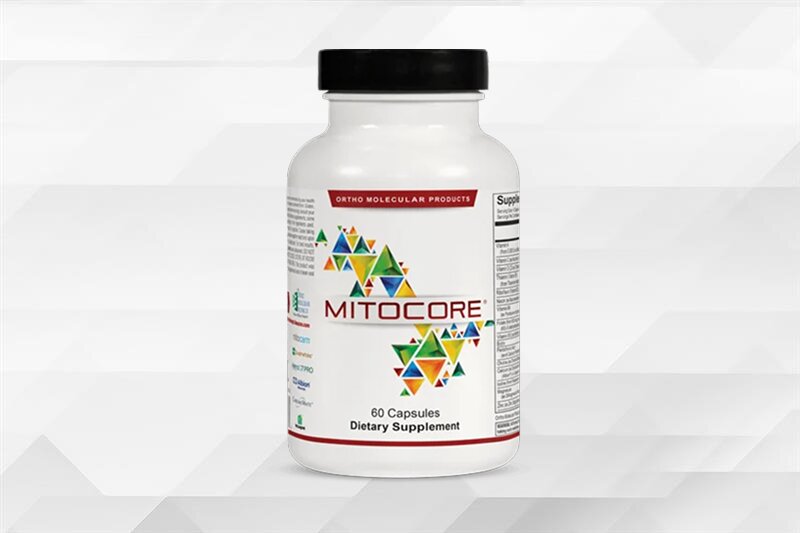
Supports mitochondrial function and metabolic processes to promote daily energy, focus and vitality.
- Supports cellular energy production
- Promotes healthy metabolic function
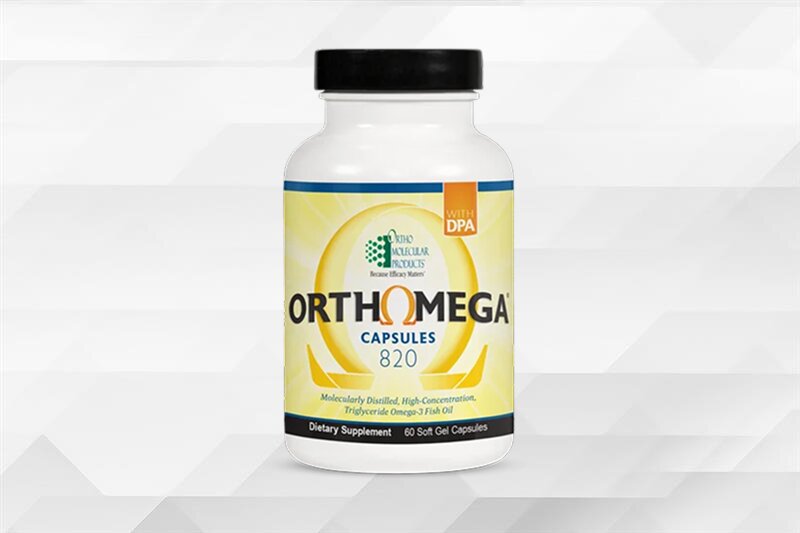
Supports heart, brain, joint, skin, and eye health while helping maintain a healthy inflammatory response.
- Supports cardiovascular health and blood sugar metabolism
- Helps maintain joint health and normal inflammatory balance
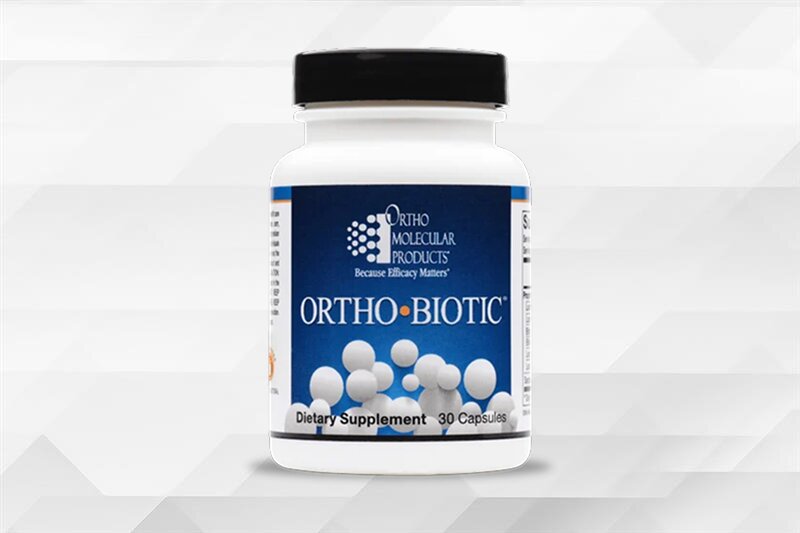
Promotes a balanced gut microbiome to support digestion, nutrient absorption, and immune function.
- Supports secretory IgA and gut immune health
- Promotes digestive comfort, bowel regularity, and nutrient absorption
Supports mitochondrial function and metabolic processes to promote daily energy, focus and vitality.
- Supports cellular energy production
- Promotes healthy metabolic function
Supports heart, brain, joint, skin, and eye health while helping maintain a healthy inflammatory response.
- Supports cardiovascular health and blood sugar metabolism
- Helps maintain joint health and normal inflammatory balance
Promotes a balanced gut microbiome to support digestion, nutrient absorption, and immune function.
- Supports secretory IgA and gut immune health
- Promotes digestive comfort, bowel regularity, and nutrient absorption
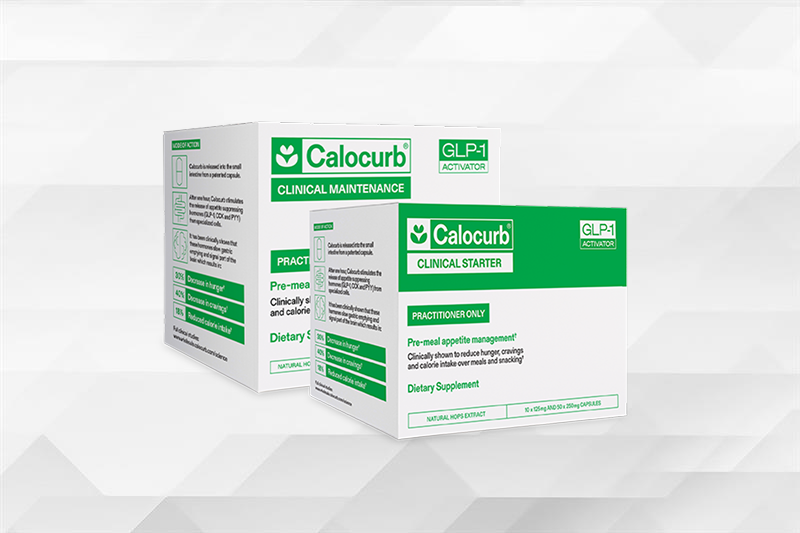
Supports healthy appetite regulation and metabolic function by promoting the body's natural satiety signals.
- Stimulates natural GLP-1, CCK, and PYY release
- Enhances adherence to intermittent fasting and time-restricted eating
Promotes a balanced gut microbiome to support digestion, nutrient absorption, and immune function.
- Delivers 11 g of fiber to support digestive health
- Supports natural GLP-1 production to help manage appetite
Supports healthy appetite regulation and metabolic function by promoting the body's natural satiety signals.
- Stimulates natural GLP-1, CCK, and PYY release
- Enhances adherence to intermittent fasting and time-restricted eating
Promotes a balanced gut microbiome to support digestion, nutrient absorption, and immune function.
- Delivers 11 g of fiber to support digestive health
- Supports natural GLP-1 production to help manage appetite
From evidence-based formulations and uncompromising quality standards to long-term partnerships with licensed health care practitioners, our purpose-driven approach shapes everything we do.

From evidence-based formulations and uncompromising quality standards to long-term partnerships with licensed health care practitioners, our purpose-driven approach shapes everything we do.
Our evidence-based supplements are available only through licensed health care professionals, reflecting our commitment to the medical community.

Our evidence-based supplements are available only through licensed health care professionals, reflecting our commitment to the medical community.
Our commitment to evidence-based formulation, rigorous quality standards, and practitioner partnership has earned recognition across the health care industry. These distinctions reflect our ongoing focus on scientific integrity, efficacy, and clinical trust.

Our commitment to evidence-based formulation, rigorous quality standards, and practitioner partnership has earned recognition across the health care industry. These distinctions reflect our ongoing focus on scientific integrity, efficacy, and clinical trust.
Access educational product videos, detailed product information sheets, and approved social media assets designed to support licensed health care professionals.

Access educational product videos, detailed product information sheets, and approved social media assets designed to support licensed health care professionals.
Find the right solution for ordering, patient care, and practice growth.

Find the right solution for ordering, patient care, and practice growth.
Tools and programs designed to help independent pharmacies drive front-end growth and long-term patient loyalty.

Tools and programs designed to help independent pharmacies drive front-end growth and long-term patient loyalty.
We partner exclusively with licensed health care professionals to deliver evidence-based supplements and clinical support.
We partner exclusively with licensed health care professionals to deliver evidence-based supplements and clinical support.

Methylation Support and the Nutrients the Cycle Runs On
TL;DR: Methylation support means giving the body the nutrients its methylation cycle runs on: folate, vitamin B12, vitamin B6, riboflavin and betaine. Folate and B12, the two methylated B vitamins, keep the cycle turning, and the others help on related routes. At Ortho, Methyl CpG® brings all five together.
Methylation happens constantly, in every cell, and it depends on a steady supply of a few key nutrients. This article explains what methylation support means, what each nutrient does and how practitioners use a methylation-support formula. Practitioners can review methylation supplements as a group on our site.
What methylation support means
Methylation is how the body passes small carbon units called methyl groups between molecules. Folate and vitamin B12 keep that cycle turning by regenerating methionine and S-adenosylmethionine (SAMe), the methyl donor used for DNA, proteins and cell membranes. SAMe feeds three main pathways: transmethylation, transsulfuration and polyamine synthesis.
Methylation support means giving the body the nutrients its methylation cycle runs on. Folate, as 5-methyltetrahydrofolate (5-MTHF), hands its methyl group to vitamin B12. Methylcobalamin passes it on to homocysteine, recycling it to methionine. A methylation-support formula supplies the nutrients for that step and for the routes around it.
The nutrients, one by one
Folate as 5-MTHF. 5-MTHF is the main form of folate in the blood. Folic acid has to be converted first, and that conversion is slow in human liver, while 5-MTHF is already the circulating form.
Vitamin B12 as methylcobalamin. Methylcobalamin is one of the two forms of B12 the body uses as a coenzyme, and it is the form tied to methylation. Folate and B12 work together in the same methylation step, which is why practitioners often pair them.
Betaine (trimethylglycine). Betaine, also known as trimethylglycine (TMG), is a second methyl donor. As a methyl donor, it takes part in the methionine cycle, mainly in the liver and kidneys. A US meta-analysis pooled five placebo-controlled trials and found that betaine supports healthy homocysteine levels. A six-week trial, in healthy adults taking betaine in amounts within the range of dietary intake, pointed the same way.
Vitamin B6. Vitamin B6 runs a second route that moves homocysteine toward cysteine, called transsulfuration. It is a versatile vitamin, involved in more than 100 enzyme reactions.
Riboflavin (vitamin B2). Riboflavin forms two major coenzymes with major roles in energy production. It also helps the enzyme that makes 5-MTHF, which is why Methyl CpG® includes it.
Why the five work together
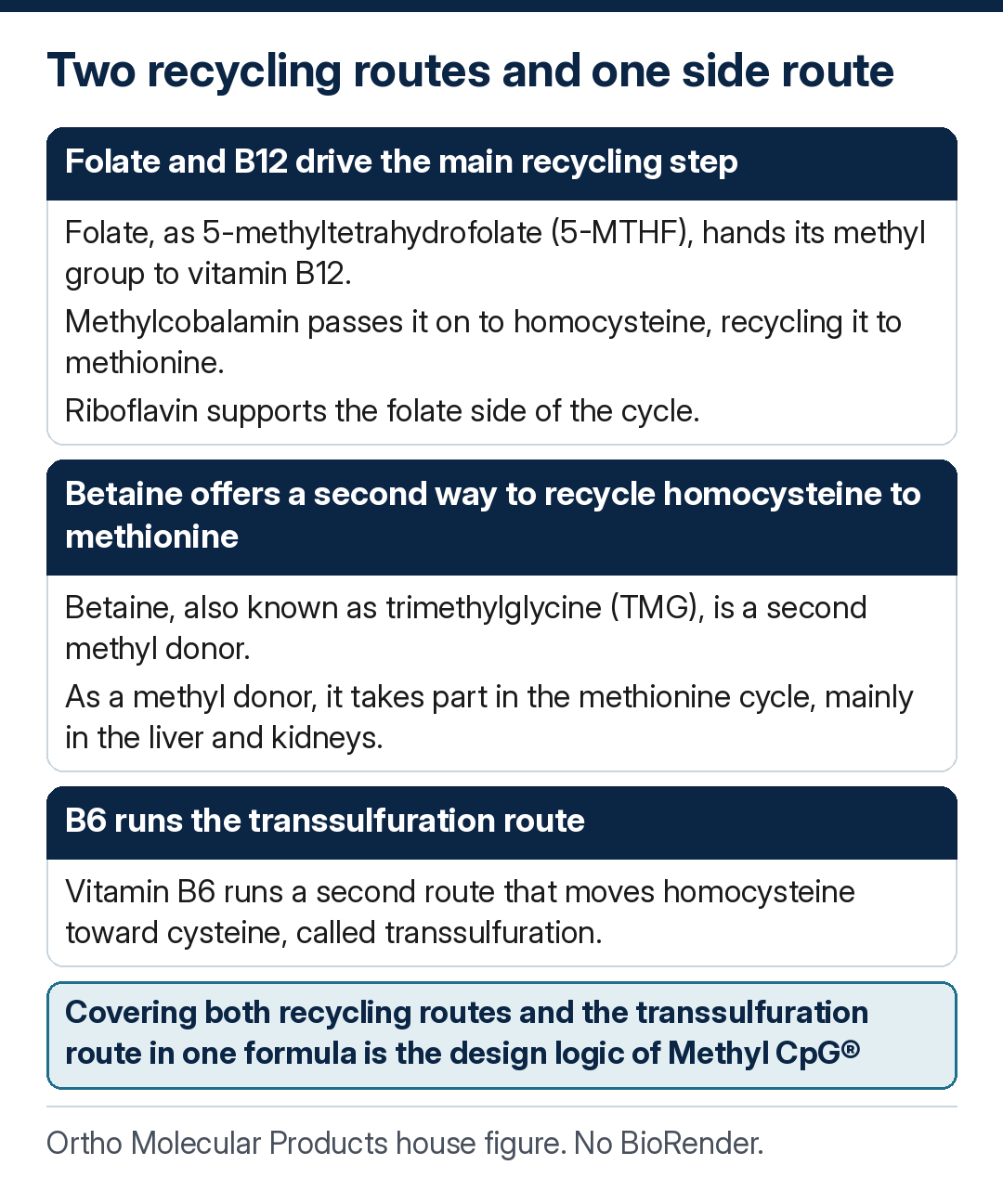
Folate and B12 drive the main recycling step. Betaine offers a second way to recycle homocysteine to methionine, and B6 runs the transsulfuration route. Riboflavin supports the folate side of the cycle. Covering both recycling routes and the transsulfuration route in one formula is the design logic of Methyl CpG®.
These nutrients also reach beyond the cycle itself. Folate and B12 are needed to build and maintain DNA. In a placebo-controlled study of young adults, folate and B12 lowered a lab marker of chromosome changes in people who started with higher levels. Vitamin B6, folate and B12 also take part in making neurotransmitters, the chemical messengers nerve cells use to signal one another.
Where the nutrients come from
Folate comes from foods such as fruits and dark leafy vegetables, and as we explain on our product pages, it "can be easily destroyed by cooking or processing." According to the NIH Office of Dietary Supplements (ODS), B12 comes naturally from animal foods, so people who eat plant-based diets often rely on supplements for it. Absorbing B12 from food also gets harder with age, and many older adults use supplements to help maintain healthy B12 status. Together, folate and B12 support healthy homocysteine levels already within the normal range.
A note on genes and testing
The enzyme that makes 5-MTHF is called methylenetetrahydrofolate reductase (MTHFR). A common variation in the MTHFR gene makes the enzyme less active. 5-MTHF is already past that step, which is one reason practitioners use active folate forms. Good folate status matters for everyone, whatever their genotype. Riboflavin is the helper nutrient for the MTHFR enzyme, and in a 12-week trial of 89 adults grouped by genotype, riboflavin supplements raised riboflavin status equally across all genotype groups. Genotype testing and care decisions belong with your practitioner.
How practitioners use Methyl CpG®
Methyl CpG® "Supports Healthy Homocysteine Levels" and is "designed to support methylation and homocysteine balance in the body." It brings folate as Quatrefolic® (6S)-5-Methyltetrahydrofolic acid glucosamine salt together with Vitamin B12 (as Methylcobalamin), Riboflavin (Vitamin B2 USP), Vitamin B6 (as Pyridoxine Hydrochloride USP) and betaine (trimethylglycine).
Practitioners reach for a methylation-support formula when they want the whole cycle covered in one capsule. Some pair it with a comprehensive B complex for the rest of the B family. If you are weighing formula types, a short label checklist helps: the folate form, the B12 form, the cofactors and the % Daily Value (DV) column.
Medication questions
If you or your patient takes a medication, contact our customer service team at 1-800-332-2351 or contactus@ompimail.com with interaction questions, 7am to 6pm CST.
What practitioners use
- Methyl B Complex (capsule): eight B vitamins, including folate as Quatrefolic® (6S)-5-Methyltetrahydrofolic acid glucosamine salt and Vitamin B12 (as Methylcobalamin), plus choline and inositol. We formulate it to "help build a healthy micronutrient reserve to support energy production in the body."
- Methyl B12 (tablet): two ingredients, folate as Quatrefolic® (6S)-5-Methyltetrahydrofolic acid glucosamine salt and Vitamin B12 (as Methylcobalamin). We build it on a simple principle: "Both 5-MTHF and methylcobalamin are required to maintain optimal homocysteine balance."
- Methyl CpG® (capsule): "a comprehensive formula that includes targeted amounts of five key nutrients designed to support methylation and homocysteine balance in the body." The label lists Riboflavin (Vitamin B2 USP), Vitamin B6 (as Pyridoxine Hydrochloride USP), folate as Quatrefolic® (6S)-5-Methyltetrahydrofolic acid glucosamine salt, Vitamin B12 (as Methylcobalamin) and betaine (trimethylglycine), plus calcium.
Use B vitamins as your practitioner recommends. Review the amounts in all supplements, your medications, and your health history before combining products; more is not automatically better.
How to get Ortho products
Every Ortho product is available only through licensed practitioners.
- Patients: ask your practitioner whether they use Clinical Care Path™.
- Licensed practitioners: open a practitioner account. Practitioner pricing: log in.
- Product-fit or medication questions: contact our customer service team at 1-800-332-2351 or contactus@ompimail.com, 7am to 6pm CST.
Frequently asked questions
What is methylation support? Methylation support means giving the body the nutrients its methylation cycle runs on: folate, vitamin B12, vitamin B6, riboflavin and betaine.
What is betaine (trimethylglycine)? Betaine is a second methyl donor that takes part in the methionine cycle, mainly in the liver and kidneys.
Why does Methyl CpG® include riboflavin and vitamin B6? Folate and B12 work alongside riboflavin and vitamin B6. Riboflavin helps the enzyme that makes 5-MTHF, and B6 runs the transsulfuration route.
Is methylcobalamin part of methylation support? Yes. Methylcobalamin is the form of B12 tied to methylation, and it works with folate in the same methylation step.
Next step
Accounts for these formulas start when you open an Ortho account. A patient can bring this page to a visit and ask about a methylation-support formula.
These statements have not been evaluated by the Food and Drug Administration. These products are not intended to diagnose, treat, cure or prevent any disease.
Sources
- Selhub J. Annu Rev Nutr 1999;19:217-46. PMID 10448523. doi:10.1146/annurev.nutr.19.1.217
- Lu SC. Int J Biochem Cell Biol 2000;32(4):391-5. PMID 10762064. doi:10.1016/s1357-2725(99)00139-9
- Crider KS, Yang TP, Berry RJ, Bailey LB. Adv Nutr 2012;3(1):21-38. PMID 22332098. doi:10.3945/an.111.000992
- Lyon P, Strippoli V, Fang B, Cimmino L. Nutrients 2020;12(9):2867. PMID 32961717. doi:10.3390/nu12092867
- NIH Office of Dietary Supplements. Folate: Fact Sheet for Health Professionals. https://ods.od.nih.gov/factsheets/Folate-HealthProfessional/
- NIH Office of Dietary Supplements. Riboflavin: Fact Sheet for Health Professionals. https://ods.od.nih.gov/factsheets/Riboflavin-HealthProfessional/
- NIH Office of Dietary Supplements. Vitamin B6: Fact Sheet for Health Professionals. https://ods.od.nih.gov/factsheets/VitaminB6-HealthProfessional/
- NIH Office of Dietary Supplements. Vitamin B12: Fact Sheet for Health Professionals. https://ods.od.nih.gov/factsheets/VitaminB12-HealthProfessional/
- Pietrzik K, Bailey L, Shane B. Clin Pharmacokinet 2010;49(8):535-48. PMID 20608755. doi:10.2165/11532990-000000000-00000
- Obeid R, Fedosov SN, Nexo E. Mol Nutr Food Res 2015;59(7):1364-72. PMID 25820384. doi:10.1002/mnfr.201500019
- Bailey SW, Ayling JE. Proc Natl Acad Sci U S A 2009;106(36):15424-9. PMID 19706381. doi:10.1073/pnas.0902072106
- Bailey RL, Mills JL, Yetley EA, Gahche JJ, et al. Am J Clin Nutr 2010;92(2):383-9. PMID 20573790. doi:10.3945/ajcn.2010.29499
- Pfeiffer CM, et al. J Nutr 2015;145(3):520-31. PMID 25733468. doi:10.3945/jn.114.201210
- Prinz-Langenohl R, Brämswig S, Tobolski O, Smulders YM, Smith DE, Finglas PM, et al. Br J Pharmacol 2009;158(8):2014-21. PMID 19917061. doi:10.1111/j.1476-5381.2009.00492.x
- Lamers Y, Prinz-Langenohl R, Brämswig S, Pietrzik K. Am J Clin Nutr 2006;84(1):156-61. PMID 16825690. doi:10.1093/ajcn/84.1.156
- Venn BJ, Green TJ, Moser R, Mann JI. Am J Clin Nutr 2003;77(3):658-62. PMID 12600857. doi:10.1093/ajcn/77.3.658
- Paul C, Brady DM. Integr Med (Encinitas) 2017;16(1):42-49. PMID 28223907
- Craig SA. Am J Clin Nutr 2004;80(3):539-49. PMID 15321791. doi:10.1093/ajcn/80.3.539
- McRae MP. J Chiropr Med 2013;12(1):20-5. PMID 23997720. doi:10.1016/j.jcm.2012.11.001
- Olthof MR, van Vliet T, Boelsma E, Verhoef P. J Nutr 2003;133(12):4135-8. PMID 14652361. doi:10.1093/jn/133.12.4135
- NIH Office of Dietary Supplements. Thiamin: Fact Sheet for Health Professionals. https://ods.od.nih.gov/factsheets/Thiamin-HealthProfessional/
- NIH Office of Dietary Supplements. Niacin: Fact Sheet for Health Professionals. https://ods.od.nih.gov/factsheets/Niacin-HealthProfessional/
- NIH Office of Dietary Supplements. Biotin: Fact Sheet for Health Professionals. https://ods.od.nih.gov/factsheets/Biotin-HealthProfessional/
- NIH Office of Dietary Supplements. Pantothenic Acid: Fact Sheet for Health Professionals. https://ods.od.nih.gov/factsheets/PantothenicAcid-HealthProfessional/
- NIH Office of Dietary Supplements. Choline: Fact Sheet for Health Professionals. https://ods.od.nih.gov/factsheets/Choline-HealthProfessional/
- Depeint F, Bruce WR, Shangari N, Mehta R, O'Brien PJ. Chem Biol Interact 2006;163(1-2):94-112. PMID 16765926. doi:10.1016/j.cbi.2006.04.014
- Kennedy DO. Nutrients 2016;8(2):68. PMID 26828517. doi:10.3390/nu8020068
- McNulty H, Dowey le RC, Strain JJ, Dunne A, Ward M, Molloy AM, et al. Circulation 2006;113(1):74-80. PMID 16380544. doi:10.1161/CIRCULATIONAHA.105.580332
- Blount BC, Mack MM, Wehr CM, MacGregor JT, et al. Proc Natl Acad Sci U S A 1997;94(7):3290-5. PMID 9096386. doi:10.1073/pnas.94.7.3290
- Fenech M, Aitken C, Rinaldi J. Carcinogenesis 1998;19(7):1163-71. PMID 9683174. doi:10.1093/carcin/19.7.1163
- Pawlak R, Parrott SJ, Raj S, Cullum-Dugan D, Lucus D. Nutr Rev 2013;71(2):110-7. PMID 23356638. doi:10.1111/nure.12001
- Allen LH. Am J Clin Nutr 2009;89(2):693S-6S. PMID 19116323. doi:10.3945/ajcn.2008.26947A
- Baik HW, Russell RM. Annu Rev Nutr 1999;19:357-77. PMID 10448529. doi:10.1146/annurev.nutr.19.1.357
- Tucker KL, Olson B, Bakun P, Dallal GE, et al. Am J Clin Nutr 2004;79(5):805-11. PMID 15113718. doi:10.1093/ajcn/79.5.805
- Jacques PF, Bostom AG, Williams RR, Ellison RC, Eckfeldt JH, Rosenberg IH, et al. Circulation 1996;93(1):7-9. PMID 8616944. doi:10.1161/01.cir.93.1.7
- Centers for Disease Control and Prevention. MTHFR Gene Variant and Folic Acid Facts. https://www.cdc.gov/folic-acid/data-research/mthfr/index.html
- Hickey SE, Curry CJ, Toriello HV. Genet Med 2013;15(2):153-6. PMID 23288205. doi:10.1038/gim.2012.165
- Ortho Molecular Products product pages and Supplement Facts labels: Methyl B Complex, Methyl B12, Methyl CpG®.


These statements have not been evaluated by the Food and Drug Administration. These products are not intended to diagnose, treat, cure or prevent any disease.
