


Supports mitochondrial function and metabolic processes to promote daily energy, focus and vitality.
- Supports cellular energy production
- Promotes healthy metabolic function

Supports heart, brain, joint, skin, and eye health while helping maintain a healthy inflammatory response.
- Supports cardiovascular health and blood sugar metabolism
- Helps maintain joint health and normal inflammatory balance

Promotes a balanced gut microbiome to support digestion, nutrient absorption, and immune function.
- Supports secretory IgA and gut immune health
- Promotes digestive comfort, bowel regularity, and nutrient absorption
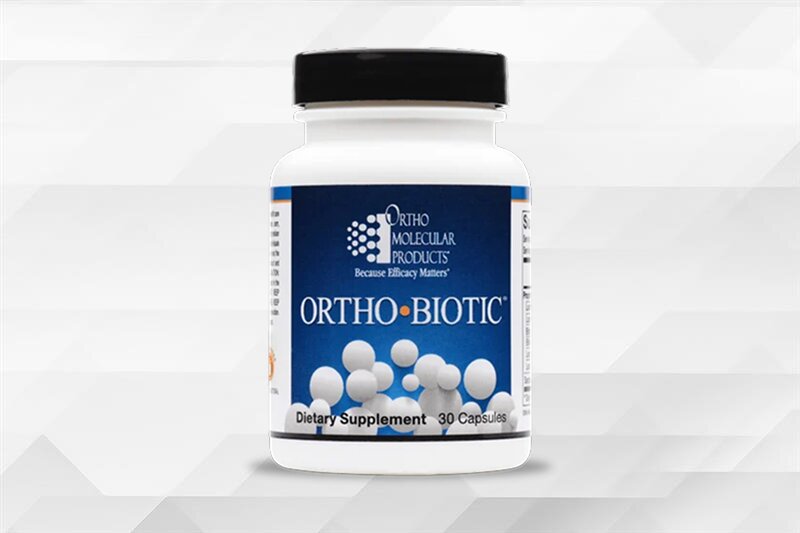
Supports mitochondrial function and metabolic processes to promote daily energy, focus and vitality.
- Supports cellular energy production
- Promotes healthy metabolic function
Supports heart, brain, joint, skin, and eye health while helping maintain a healthy inflammatory response.
- Supports cardiovascular health and blood sugar metabolism
- Helps maintain joint health and normal inflammatory balance
Promotes a balanced gut microbiome to support digestion, nutrient absorption, and immune function.
- Supports secretory IgA and gut immune health
- Promotes digestive comfort, bowel regularity, and nutrient absorption
Supports healthy appetite regulation and metabolic function by promoting the body's natural satiety signals.
- Stimulates natural GLP-1, CCK, and PYY release
- Enhances adherence to intermittent fasting and time-restricted eating

Promotes a balanced gut microbiome to support digestion, nutrient absorption, and immune function.
- Delivers 11 g of fiber to support digestive health
- Supports natural GLP-1 production to help manage appetite

Supports healthy appetite regulation and metabolic function by promoting the body's natural satiety signals.
- Stimulates natural GLP-1, CCK, and PYY release
- Enhances adherence to intermittent fasting and time-restricted eating
Promotes a balanced gut microbiome to support digestion, nutrient absorption, and immune function.
- Delivers 11 g of fiber to support digestive health
- Supports natural GLP-1 production to help manage appetite
From evidence-based formulations and uncompromising quality standards to long-term partnerships with licensed health care practitioners, our purpose-driven approach shapes everything we do.

From evidence-based formulations and uncompromising quality standards to long-term partnerships with licensed health care practitioners, our purpose-driven approach shapes everything we do.
Our evidence-based supplements are available only through licensed health care professionals, reflecting our commitment to the medical community.

Our evidence-based supplements are available only through licensed health care professionals, reflecting our commitment to the medical community.
Our commitment to evidence-based formulation, rigorous quality standards, and practitioner partnership has earned recognition across the health care industry. These distinctions reflect our ongoing focus on scientific integrity, efficacy, and clinical trust.

Our commitment to evidence-based formulation, rigorous quality standards, and practitioner partnership has earned recognition across the health care industry. These distinctions reflect our ongoing focus on scientific integrity, efficacy, and clinical trust.
Access educational product videos, detailed product information sheets, and approved social media assets designed to support licensed health care professionals.

Access educational product videos, detailed product information sheets, and approved social media assets designed to support licensed health care professionals.
Find the right solution for ordering, patient care, and practice growth.

Find the right solution for ordering, patient care, and practice growth.
Tools and programs designed to help independent pharmacies drive front-end growth and long-term patient loyalty.

Tools and programs designed to help independent pharmacies drive front-end growth and long-term patient loyalty.
We partner exclusively with licensed health care professionals to deliver evidence-based supplements and clinical support.

We partner exclusively with licensed health care professionals to deliver evidence-based supplements and clinical support.

Histamine and Food: Which Foods Carry More and Why
Histamine can form in foods when microorganisms convert the amino acid histidine. Fermented foods, leftovers, aged cheeses, beer, and wine are examples to discuss with a practitioner. Histamine content varies with the food, fermentation, time, and storage conditions. A guided food-and-symptom review can help identify patterns without unnecessary long-term dietary restriction.
This page explains how histamine gets into food, which foods US sources name, why the amount on the plate is only part of the story, and how a practitioner-guided lower-histamine trial works.
How histamine gets into food
Microorganisms, including certain bacteria and yeasts, can convert histidine to histamine through the enzyme histidine decarboxylase. Formation depends on the organisms present, fermentation, time, and temperature. Histamine can accumulate over time, including in leftovers; proper storage remains important.
Foods to discuss with your practitioner
Which foods US sources name, by strength of evidence
- Certain fish that were not kept cold. This is the most thoroughly documented source. FDA states that seafood-related histamine illness "is primarily associated with the consumption of tuna, mahi-mahi, marlin, and bluefish" (FDA Ch. 7). A University of California, Davis review adds fish in the mackerel family, including mackerel, bonito, albacore and skipjack (Feng et al., 2016).
- Aged cheese and wine. An FDA review names wines and aged cheese as dietary histamine sources (Hungerford, 2021), and an older toxicology review notes that cheese "has also been implicated on occasion" (Taylor, 1986).
- Other aged or fermented foods and leftovers. As our DAO Enzyme product page notes: "Foods prone to high histamine content include aged or fermented products and refrigerated leftovers." The time-and-temperature data are most detailed for fish, and the same principle of freshness applies across the kitchen.
You may see long food lists online with exact histamine numbers. We focus on the patterns behind them, freshness, storage and aging, because the histamine in any one food changes with how it was handled.
When a food reaction might be something else
Reactions to histamine in food can look like a food allergy. A UC Davis review notes that "such histamine-induced reactions are often misdiagnosed as IgE-mediated fish allergy" (Feng et al., 2016). An FDA review makes the same point and says clinicians need to tell these apart (Hungerford, 2021).
That is the main reason to work with a practitioner. If you notice reactions after certain foods, keep a simple log of what you ate and when, and bring it to a practitioner who can sort out allergy and other causes.
You may also hear the term "histamine intolerance." It describes reactions thought to occur when histamine accumulates faster than the body can break it down (Hungerford, 2021, and Colussi-Pelaez, 2026).
The lower-histamine diet: what studies found
A lower-histamine diet means cutting back for a while on the foods most likely to carry histamine, then adding them back in a planned way. Studies from clinics found that many people who react to food histamine felt better on one.
- A randomized crossover study. Eighteen people who react to food histamine followed a lower-histamine diet and their ordinary diet in turn. During the lower-histamine phase, they reported more digestive and skin comfort (Rentzos et al., 2024).
- An early clinic study. Of 45 people who followed a histamine-reduced diet for four weeks, 33 reported feeling considerably better (Wantke et al., 1993).
- An Austrian clinic review. Most people who stuck with a histamine-reduced diet reported improvement, 50 of the 63 who answered a follow-up questionnaire (Lackner et al., 2019).
A practitioner-guided lower-histamine trial
Practitioners use a short, guided lower-histamine eating pattern, followed by structured reintroduction, to help people learn their own triggers (Rentzos et al., 2024). This is how that usually comes together.
- Keep a baseline log. A week or two of meals, freshness and how you felt gives you and your practitioner a starting picture.
- Run a short, planned trial. Your practitioner helps you cut back on the foods named above while keeping meals varied and nourishing.
- Reintroduce foods one at a time. Adding foods back in a structured way shows which ones matter for you, so you keep as many foods in your diet as possible.
- Keep the freshness habits. Keep buying food fresh, chilling it promptly, and using leftovers soon, since those habits stay useful long after the trial ends.
Any change to what you eat is worth planning with a practitioner, so your diet stays balanced.
Frequently asked questions
Which foods are high in histamine? US food-safety sources point to certain fish that were not kept cold, such as tuna, mahi-mahi, marlin and bluefish, plus aged cheese and wine. Aged or fermented foods and refrigerated leftovers can also carry more.
Why does fish sometimes contain a lot of histamine? Bacteria convert histidine, an amino acid in the fish, into histamine when the fish is not kept cold enough for long enough. FDA guidance links this to time and temperature abuse.
Is a reaction after eating fish always an allergy? Reactions to histamine in fish are often mistaken for fish allergy, according to a review. A practitioner can help tell them apart.
Does a low-histamine diet help? In studies from clinics, many people who react to food histamine reported feeling better on a lower-histamine diet, including in a randomized crossover study. Practitioners use a short, guided trial followed by structured reintroduction, so plan one with your practitioner.
DAO Enzyme is an option to review for dietary histamine support. Its porcine source matters for dietary preferences and sensitivities. Natural D-Hist® is designed for seasonal support. These products have different purposes; ask your practitioner which, if either, belongs in your plan.
How to get Ortho products
Ordering is available only through licensed practitioners. Clinicians open a practitioner account to get started. Patients can ask if the Clinical Care Path™ fits how they want to order.
Next step
Practitioners: open an Ortho account. Patients: bring a short log of foods and reactions to your next appointment.
Back to respiratory health supplements
These statements have not been evaluated by the Food and Drug Administration. These products are not intended to diagnose, treat, cure or prevent any disease.


These statements have not been evaluated by the Food and Drug Administration. These products are not intended to diagnose, treat, cure or prevent any disease.
