


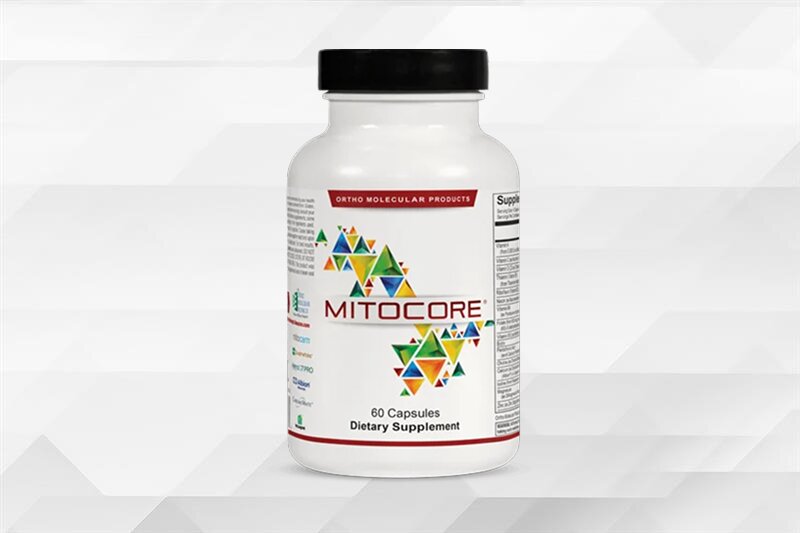
Supports mitochondrial function and metabolic processes to promote daily energy, focus and vitality.
- Supports cellular energy production
- Promotes healthy metabolic function
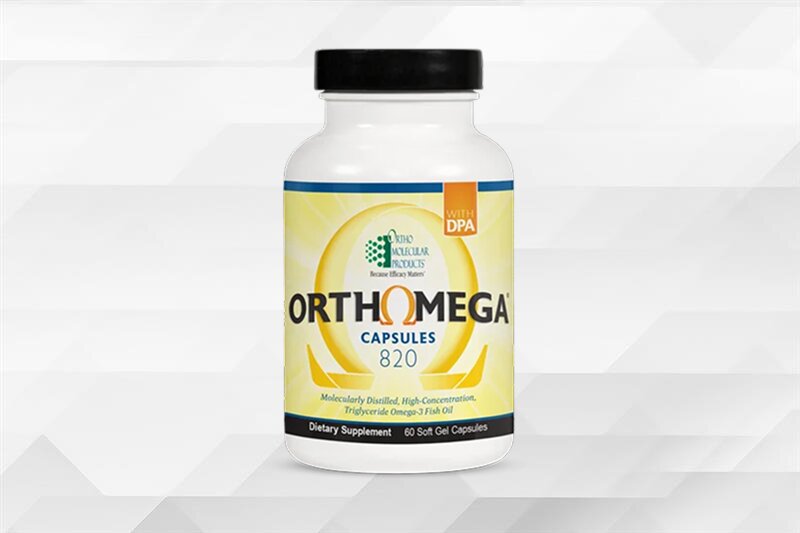
Supports heart, brain, joint, skin, and eye health while helping maintain a healthy inflammatory response.
- Supports cardiovascular health and blood sugar metabolism
- Helps maintain joint health and normal inflammatory balance
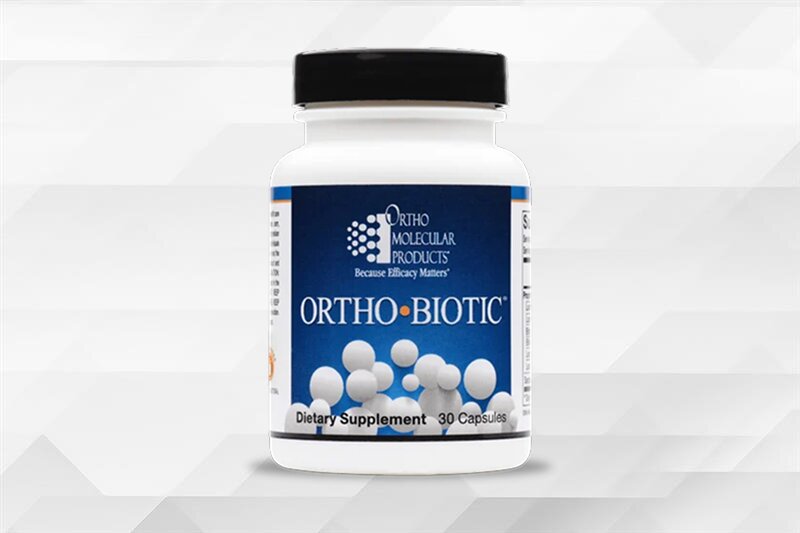
Promotes a balanced gut microbiome to support digestion, nutrient absorption, and immune function.
- Supports secretory IgA and gut immune health
- Promotes digestive comfort, bowel regularity, and nutrient absorption
Supports mitochondrial function and metabolic processes to promote daily energy, focus and vitality.
- Supports cellular energy production
- Promotes healthy metabolic function
Supports heart, brain, joint, skin, and eye health while helping maintain a healthy inflammatory response.
- Supports cardiovascular health and blood sugar metabolism
- Helps maintain joint health and normal inflammatory balance
Promotes a balanced gut microbiome to support digestion, nutrient absorption, and immune function.
- Supports secretory IgA and gut immune health
- Promotes digestive comfort, bowel regularity, and nutrient absorption
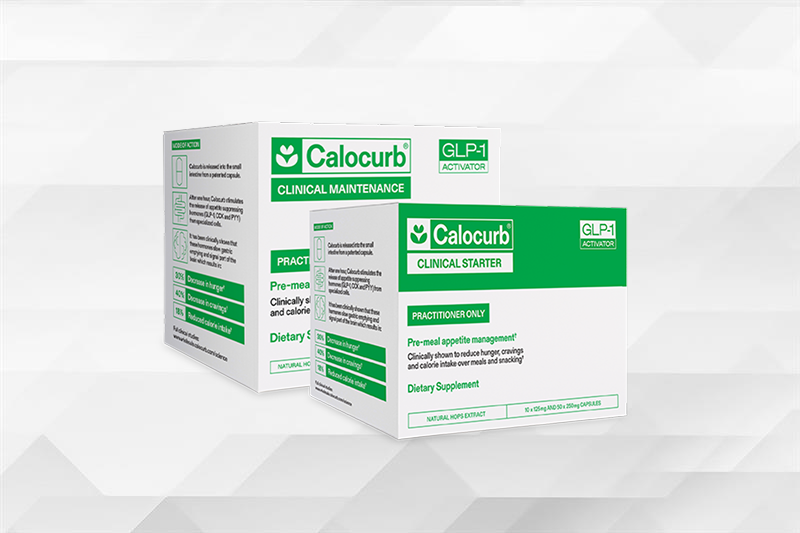
Supports healthy appetite regulation and metabolic function by promoting the body's natural satiety signals.
- Stimulates natural GLP-1, CCK, and PYY release
- Enhances adherence to intermittent fasting and time-restricted eating
Promotes a balanced gut microbiome to support digestion, nutrient absorption, and immune function.
- Delivers 11 g of fiber to support digestive health
- Supports natural GLP-1 production to help manage appetite
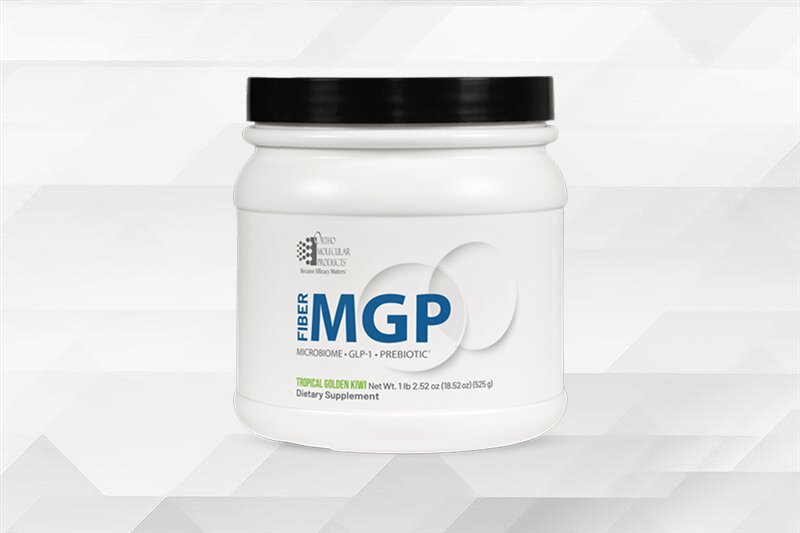
Supports healthy appetite regulation and metabolic function by promoting the body's natural satiety signals.
- Stimulates natural GLP-1, CCK, and PYY release
- Enhances adherence to intermittent fasting and time-restricted eating
Promotes a balanced gut microbiome to support digestion, nutrient absorption, and immune function.
- Delivers 11 g of fiber to support digestive health
- Supports natural GLP-1 production to help manage appetite
From evidence-based formulations and uncompromising quality standards to long-term partnerships with licensed health care practitioners, our purpose-driven approach shapes everything we do.

From evidence-based formulations and uncompromising quality standards to long-term partnerships with licensed health care practitioners, our purpose-driven approach shapes everything we do.
Our evidence-based supplements are available only through licensed health care professionals, reflecting our commitment to the medical community.

Our evidence-based supplements are available only through licensed health care professionals, reflecting our commitment to the medical community.
Our commitment to evidence-based formulation, rigorous quality standards, and practitioner partnership has earned recognition across the health care industry. These distinctions reflect our ongoing focus on scientific integrity, efficacy, and clinical trust.

Our commitment to evidence-based formulation, rigorous quality standards, and practitioner partnership has earned recognition across the health care industry. These distinctions reflect our ongoing focus on scientific integrity, efficacy, and clinical trust.
Access educational product videos, detailed product information sheets, and approved social media assets designed to support licensed health care professionals.

Access educational product videos, detailed product information sheets, and approved social media assets designed to support licensed health care professionals.
Find the right solution for ordering, patient care, and practice growth.
Find the right solution for ordering, patient care, and practice growth.
Tools and programs designed to help independent pharmacies drive front-end growth and long-term patient loyalty.

Tools and programs designed to help independent pharmacies drive front-end growth and long-term patient loyalty.
We partner exclusively with licensed health care professionals to deliver evidence-based supplements and clinical support.
We partner exclusively with licensed health care professionals to deliver evidence-based supplements and clinical support.

Histamine Intolerance Supplements: Ingredients and What Research Shows
“Histamine intolerance” describes reactions thought to occur when histamine builds up faster than the body breaks it down. Symptoms can have other causes, so assessment with a practitioner comes first. Ingredients commonly discussed include diamine oxidase (DAO), quercetin, stinging nettle, bromelain, vitamin C, and N-acetyl cysteine (NAC). The choice depends on whether the concern is dietary histamine, seasonal comfort, or something else.
This page covers what people mean by histamine intolerance, what each ingredient is for and what studies found, and how practitioners match ingredients to the pattern they see. It is an overview of ingredients and does not offer a plan for any condition.
What people mean by "histamine intolerance"
People use "histamine intolerance" for reactions thought to happen when the histamine coming in, mostly from food, outpaces the body's ability to break it down. A 2026 review describes it as an imbalance between histamine accumulation and the body's capacity to break it down (Colussi-Pelaez, 2026), and an FDA review mentions it in connection with wines, aged cheese and other foods (Hungerford, 2021).
Reactions after certain foods can have several causes, and reactions to histamine in food may resemble an allergy (Feng et al., 2016). If you think foods are causing reactions, a practitioner can help rule out allergy and other causes before you choose a supplement.
The ingredients people ask about
Ingredients people ask about, and what each is for
DAO (diamine oxidase)
What it is for: DAO is among the body's main histamine-degrading enzymes, particularly for histamine that comes from food. enzyme research found that human DAO prefers histamine over its other substrates (Elmore et al., 2002), and an FDA review describes the gut's histamine-metabolizing enzymes as the barrier to dietary histamine (Hungerford, 2021).
Label note: DAO supplements differ in enzyme source. Our DAO Enzyme lists Porcine Kidney Extract (DAOgest®) on its Supplement Facts panel, so it is animal-derived.
Quercetin
What it is for: Quercetin is a plant flavonoid found in everyday plant foods such as onions and tea. In lab work with human immune cells, quercetin reduced how much histamine and other messengers those cells released (Middleton and Drzewiecki, 1984, plus Weng et al., 2012).
Stinging nettle
What it is for: Stinging nettle leaf is one of the botanicals in our seasonal formula, Natural D-Hist®, whose label lists it as Stinging Nettle (Leaves).
What studies found: In a double-blind study, people taking a freeze-dried stinging nettle preparation rated it more helpful for seasonal comfort than a placebo after one week (Mittman, 1990).
Bromelain
What it is for: NCCIH explains that "Bromelain is a group of enzymes that break down proteins. These enzymes are found in the stem and fruit of the pineapple plant" (NCCIH bromelain).
What studies found: Independent reviewers have described the research on bromelain for sinus comfort as encouraging (Guo et al., 2006). A open-label pilot of 12 people reported better sinus comfort and quality of life, and bromelain was well tolerated (Büttner et al., 2013). A review notes that bromelain taken by mouth can be detected in the blood with its enzyme activity intact, and that it has a good safety record (Leelakanok et al., 2023).
Tolerability: NCCIH notes that "When taken orally, bromelain seems to be well tolerated. The most commonly reported side effects have been stomach upset and diarrhea." If you take any medication, ask before using bromelain or other herbal products. For an Ortho product and a medication you take, our customer service team is reachable at 1-800-332-2351 or contactus@ompimail.com (7am to 6pm CST).
Vitamin C
What it is for: As the NIH Office of Dietary Supplements explains, "vitamin C plays an important role in immune function" (ODS vitamin C fact sheet). ODS also notes that humans cannot make vitamin C, so it is an essential part of the diet.
What studies found: research links healthy vitamin C status with healthy histamine balance. In a study of healthy adults, two weeks of vitamin C was linked with lower blood histamine (Johnston et al., 1992), and in a second study, blood histamine was inversely related to vitamin C status in one study group (Johnston et al., 1996).
N-acetyl cysteine (NAC)
What it is for: N-acetyl cysteine (NAC) is a form of the amino acid cysteine that the body uses to make glutathione, one of its main antioxidants (Atkuri et al., 2007). In Natural D-Hist®, NAC rounds out a formula built around quercetin, stinging nettle, bromelain and vitamin C.
What studies found: In a study of healthy men, NAC supported the body's glutathione and antioxidant status (Zembron-Lacny et al., 2010).
Matching ingredients to the pattern: how practitioners approach it
Practitioners usually start with the pattern, then choose ingredients. A simple log of meals, seasons and how you feel helps sort it out.
| If the pattern follows... | Ingredients and steps practitioners often discuss |
|---|---|
| Meals, especially aged, fermented or leftover foods | DAO with the meals that matter, freshness habits, and a short, guided lower-histamine trial with structured reintroduction (Rentzos et al., 2024) |
| Pollen season | A seasonal formula that combines quercetin, stinging nettle, bromelain and vitamin C, started with your season in mind |
| Both | A plan that covers both, built step by step with your practitioner so you can see what helps |
Whatever the pattern, bring the labels of everything you take, and send product-and-medication questions to Ortho's customer service team at 1-800-332-2351 or contactus@ompimail.com.
Our related formulas
These Ortho products contain ingredients covered above. The lines below come from our product pages, read 2026-11-10.
- Natural D-Hist®. Contains Vitamin C (as Ascorbic Acid USP), Quercetin Dihydrate, Stinging Nettle (Leaves), Bromelain (from Pineapple) and N-Acetyl-L-Cysteine USP. We designed the formula "to provide comprehensive support for seasonal challenges caused by common environmental allergens."
- DAO Enzyme. DAO Enzyme "Supports healthy DAO enzyme activity in the digestive tract" and "Promotes balanced histamine levels in response to dietary triggers."
DAO Enzyme is an option to review for dietary histamine support. Its porcine source matters for dietary preferences and sensitivities. Natural D-Hist® is designed for seasonal support. These products have different purposes; ask your practitioner which, if either, belongs in your plan.
How to get Ortho products
Ortho products are available only through licensed practitioners. To begin ordering, open a practitioner account. Practitioner pricing: log in. Patients can check whether the Clinical Care Path™ works for them.
Frequently asked questions
What is histamine intolerance? It is a term people use for reactions thought to happen when histamine, mostly from food, builds up faster than the body breaks it down. A practitioner can help you sort out whether that, an allergy or something else is behind your reactions.
How can I tell whether foods are causing my reactions? A brief food-and-symptom log is a good place to start. Reactions after certain foods can have several causes, and a reaction to histamine in food can be mistaken for an allergy, so bring the log to a practitioner who can help rule out allergy and other causes.
Does vitamin C affect histamine? studies link healthy vitamin C status with healthy histamine balance. In one, two weeks of vitamin C in healthy adults was linked with lower blood histamine.
Can I take these supplements with my medications? Get advice from your practitioner before combining them. For an Ortho product paired with a medication, write or call our customer service team at 1-800-332-2351 or contactus@ompimail.com.
Next step
Practitioners: open an Ortho account. Patients: bring a short log of what you ate and how you reacted, plus the labels of anything you take, to your next appointment.
Back to respiratory health supplements
These statements have not been evaluated by the Food and Drug Administration. These products are not intended to diagnose, treat, cure or prevent any disease.


These statements have not been evaluated by the Food and Drug Administration. These products are not intended to diagnose, treat, cure or prevent any disease.
