


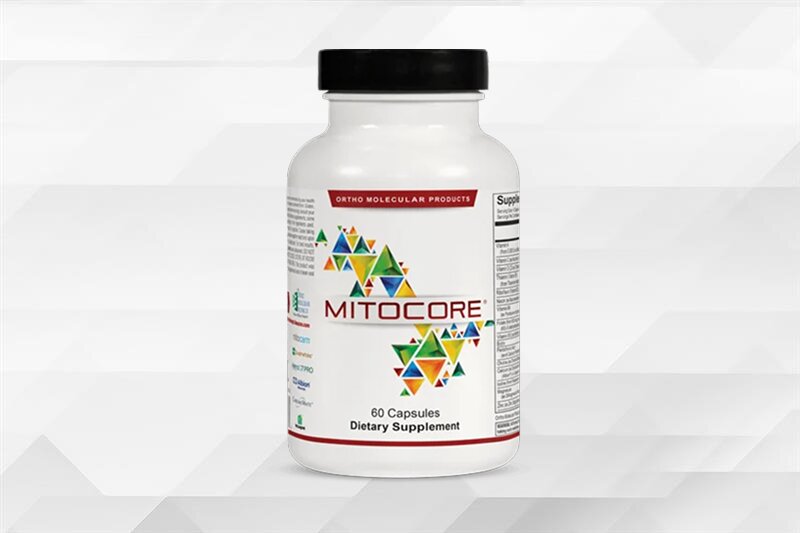
Supports mitochondrial function and metabolic processes to promote daily energy, focus and vitality.
- Supports cellular energy production
- Promotes healthy metabolic function
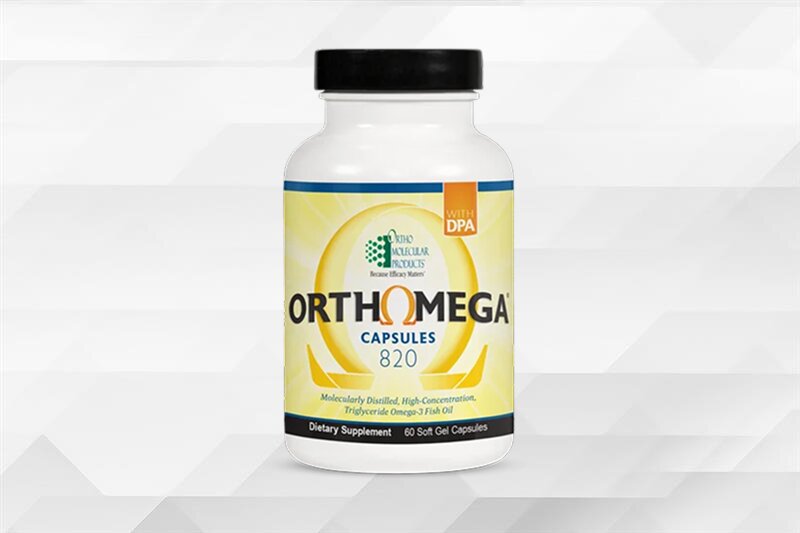
Supports heart, brain, joint, skin, and eye health while helping maintain a healthy inflammatory response.
- Supports cardiovascular health and blood sugar metabolism
- Helps maintain joint health and normal inflammatory balance
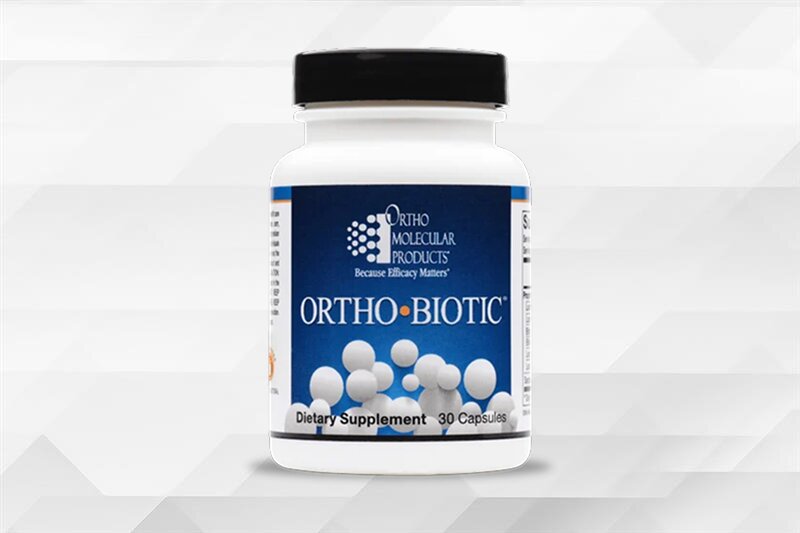
Promotes a balanced gut microbiome to support digestion, nutrient absorption, and immune function.
- Supports secretory IgA and gut immune health
- Promotes digestive comfort, bowel regularity, and nutrient absorption
Supports mitochondrial function and metabolic processes to promote daily energy, focus and vitality.
- Supports cellular energy production
- Promotes healthy metabolic function
Supports heart, brain, joint, skin, and eye health while helping maintain a healthy inflammatory response.
- Supports cardiovascular health and blood sugar metabolism
- Helps maintain joint health and normal inflammatory balance
Promotes a balanced gut microbiome to support digestion, nutrient absorption, and immune function.
- Supports secretory IgA and gut immune health
- Promotes digestive comfort, bowel regularity, and nutrient absorption
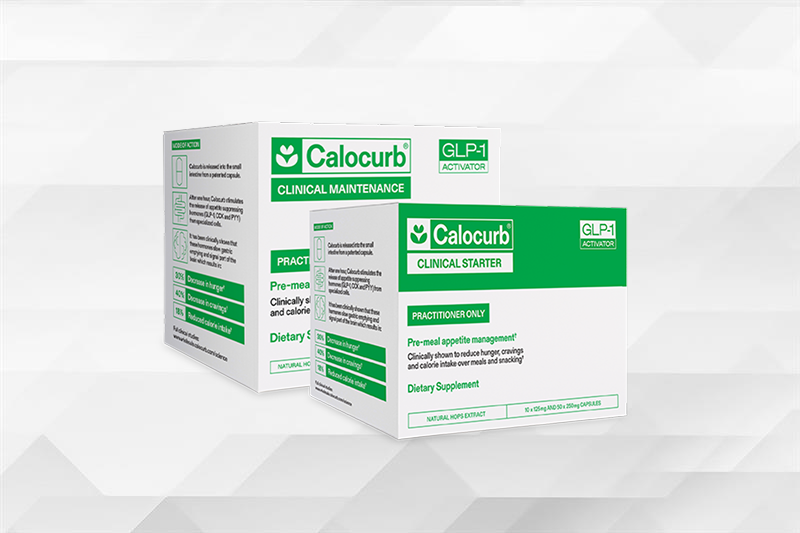
Supports healthy appetite regulation and metabolic function by promoting the body's natural satiety signals.
- Stimulates natural GLP-1, CCK, and PYY release
- Enhances adherence to intermittent fasting and time-restricted eating
Promotes a balanced gut microbiome to support digestion, nutrient absorption, and immune function.
- Delivers 11 g of fiber to support digestive health
- Supports natural GLP-1 production to help manage appetite
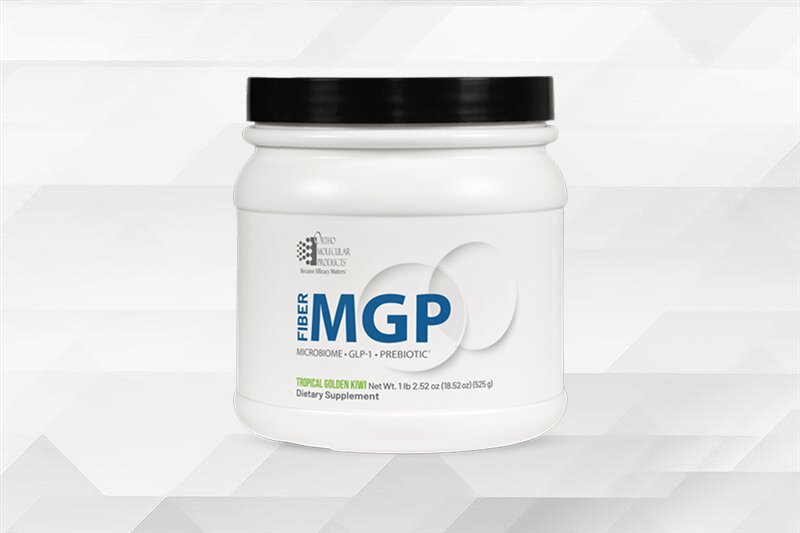
Supports healthy appetite regulation and metabolic function by promoting the body's natural satiety signals.
- Stimulates natural GLP-1, CCK, and PYY release
- Enhances adherence to intermittent fasting and time-restricted eating
Promotes a balanced gut microbiome to support digestion, nutrient absorption, and immune function.
- Delivers 11 g of fiber to support digestive health
- Supports natural GLP-1 production to help manage appetite
From evidence-based formulations and uncompromising quality standards to long-term partnerships with licensed health care practitioners, our purpose-driven approach shapes everything we do.

From evidence-based formulations and uncompromising quality standards to long-term partnerships with licensed health care practitioners, our purpose-driven approach shapes everything we do.
Our evidence-based supplements are available only through licensed health care professionals, reflecting our commitment to the medical community.

Our evidence-based supplements are available only through licensed health care professionals, reflecting our commitment to the medical community.
Our commitment to evidence-based formulation, rigorous quality standards, and practitioner partnership has earned recognition across the health care industry. These distinctions reflect our ongoing focus on scientific integrity, efficacy, and clinical trust.

Our commitment to evidence-based formulation, rigorous quality standards, and practitioner partnership has earned recognition across the health care industry. These distinctions reflect our ongoing focus on scientific integrity, efficacy, and clinical trust.
Access educational product videos, detailed product information sheets, and approved social media assets designed to support licensed health care professionals.
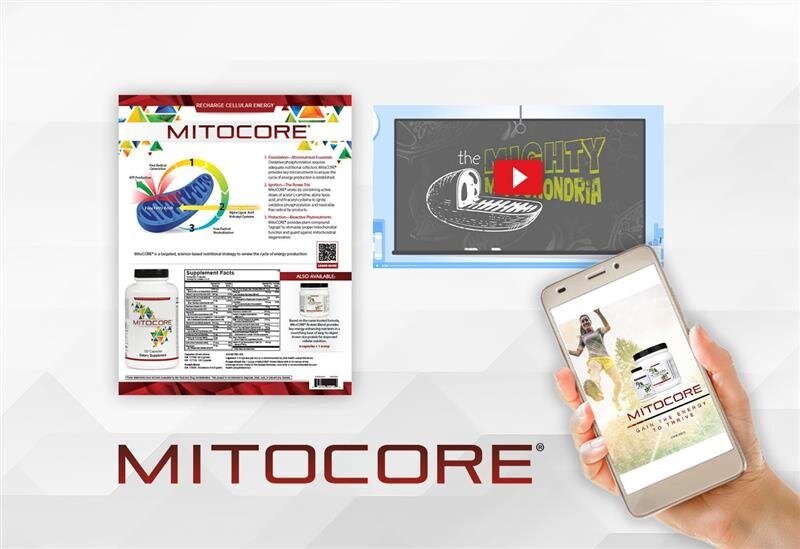
Access educational product videos, detailed product information sheets, and approved social media assets designed to support licensed health care professionals.
Find the right solution for ordering, patient care, and practice growth.

Find the right solution for ordering, patient care, and practice growth.
Tools and programs designed to help independent pharmacies drive front-end growth and long-term patient loyalty.

Tools and programs designed to help independent pharmacies drive front-end growth and long-term patient loyalty.
We partner exclusively with licensed health care professionals to deliver evidence-based supplements and clinical support.
We partner exclusively with licensed health care professionals to deliver evidence-based supplements and clinical support.

Third Party Tested Supplements: What the Testing Proves
A third party tested supplement is one where a lab or certifier independent of the brand has checked the product or the facility that made it. That outside check is one of the strongest quality signals in the supplement industry, and it helps most when you know what was tested, who tested it, and whether the result applies to the lot you are holding.
At Ortho Molecular Products, we see third-party testing as one layer of a complete quality system, working alongside a manufacturer's own laboratory. This page is for practitioners who see "third party tested" on labels and websites and want to give it the right weight, and for patients comparing bottles. It explains the main kinds of independent testing, how to verify a claim in a few minutes, and the questions that get you the most useful answers. Start with the supplement quality guide for the full framework.
What third-party testing adds
Federal rules already require manufacturers to test the identity of each dietary ingredient before use and to test finished products against their specifications (21 CFR 111.75). Much of that testing is done in the company's own lab, where it can run on every lot quickly. Third-party testing adds an independent check on top of that foundation.
The phrase "third party tested" covers a range of programs. One brand may use it because every lot is tested by an accredited contract lab and its facility is audited each year. Another may use it for a single outside test. There is no legal definition, so the most useful follow-up question is simple: what did the outside party look at?
The four kinds of independent testing
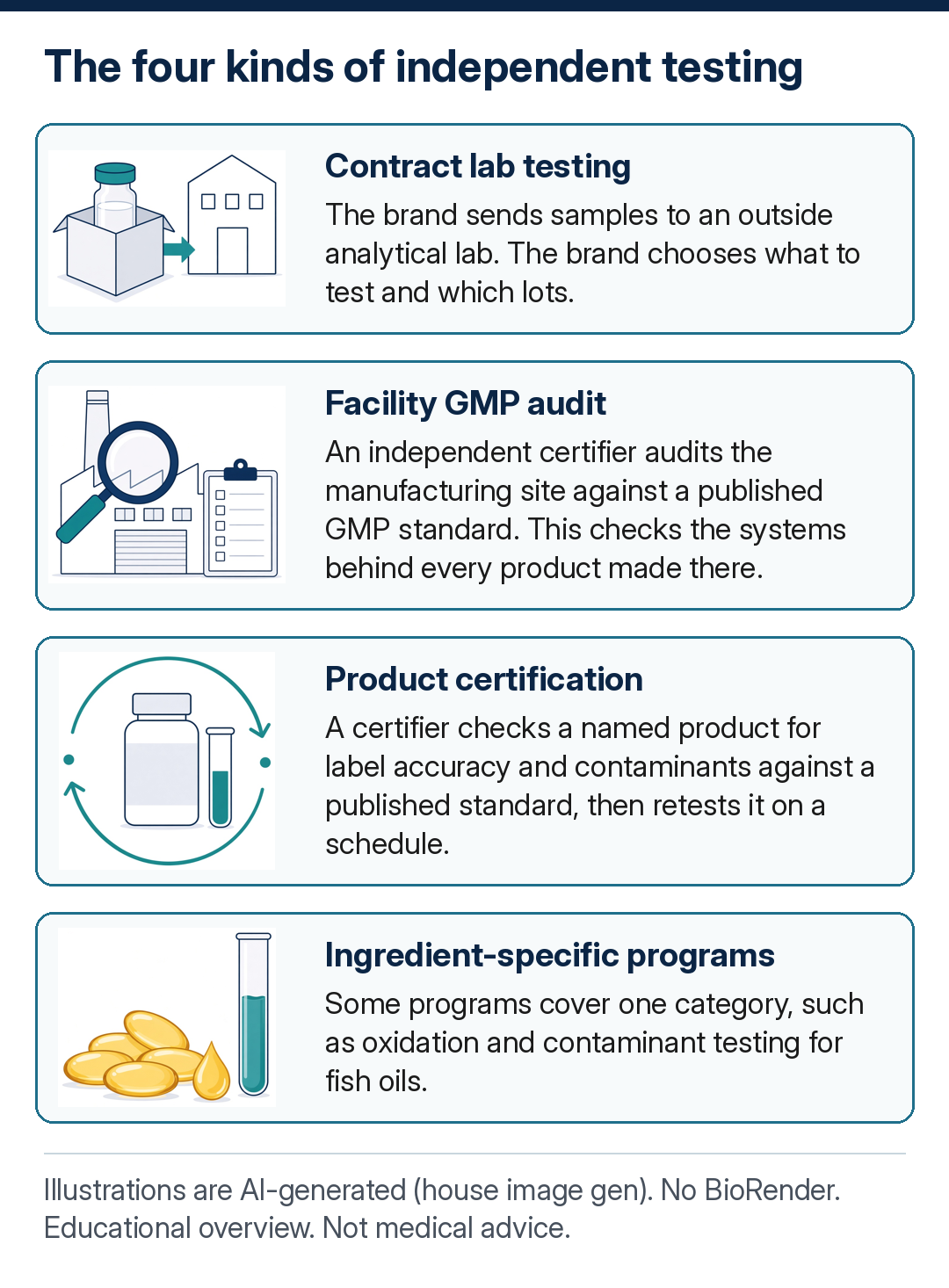
1. Contract lab testing
The brand sends samples to an outside analytical lab. The lab reports results for the tests ordered, such as potency, heavy metals, or microbial counts. The brand chooses what to test and which lots. Ask whether the lab is accredited to ISO/IEC 17025, the international standard for the competence of testing and calibration laboratories, and whether testing is done on every lot or a sample of lots.
2. Facility GMP audit
An independent certifier audits the manufacturing site against a published GMP standard and lists the facility publicly if it passes. This checks the systems behind every product made there: specifications, training, cleaning, records, and quality control. Lot results come from the COA. NSF/ANSI 455-2 is one example. See NSF certified supplements for how to read a listing.
3. Product certification
A certifier checks a named product for label accuracy and contaminants against a published standard, then retests it on a schedule. The product earns a mark and appears by name in the certifier's database. This gives you product-level evidence for each listed product.
4. Ingredient-specific programs
Some programs cover one category, such as oxidation and contaminant testing for fish oils. They give you deep, category-specific evidence for the products they cover.
How to verify a claim quickly
- Find the name. A strong claim names the certifier or lab so you can check it.
- Search the certifier's database. Facility listings and product certifications are public. Search by company name.
- Match the scope. Is the listing for a facility or a product? Which dosage forms or products does it cover?
- Check the address. For a facility listing, confirm the site is where the product is made.
- Ask for the lot COA. The certificate of analysis shows test results for your specific lot. See how to read one.
These steps give you a clear picture of what stands behind a claim.
A decision framework for practitioners
Rank evidence by how close it gets to the bottle in your hand.
| Evidence | What it covers | Weight |
|---|---|---|
| Lot COA matching your bottle | Test results for that lot | High, if tests are relevant |
| Product certification in a public database | That named product, retested on schedule | High for listed products |
| Facility GMP listing | The site's systems behind every product made there | High for systems, paired with a lot COA for product results |
| Contract lab report for a single lot | One sample at one time | Medium, strongest when current |
| "Third party tested" with no name | Ask for the certifier | Follow up |
For a product you will recommend often, aim for a facility listing you have checked plus a COA for the lot you stock. That combination covers both the system and the product.
In-house and third-party testing work together
We are often asked whether a manufacturer's own lab can be trusted as much as an outside one. In our experience, the strongest quality programs use both. An in-house lab sits next to production, so it can test incoming raw materials on arrival and finished lots before release without shipping samples away. Outside audits then confirm that the lab and the systems around it work as described.
When you compare brands, ask how the two fit together: what the company tests itself, what it sends out, and which outside body audits the site. A brand with a clear answer to all three has thought about quality end to end.
Quick checks before you rely on a claim
- Pair a facility audit with a lot COA. The audit covers the system. The COA gives you that lot's results.
- Ask for current results. A recent lot tells you more than a report from years ago.
- Ask what was tested. Potency, contaminants, and identity are separate tests, and strong programs run all three.
- Use the certifier's database. The certifier's own listing is the record that confirms a logo.
- Match category to product. A fish oil certification applies to that fish oil, so check each product category you stock.
What to ask a brand
Use this short script with any rep or customer service line:
- "Which outside lab or certifier do you use, and can you send the listing or report?"
- "Is your facility certification for the facility, specific products, or both?"
- "Which tests run on every finished lot before release?"
- "Can you send the COA for lot [number] of [product]?"
A strong brand answers all four with documents.
How we approach outside testing at Ortho
Our Stevens Point, Wisconsin facility carries an NSF/ANSI 455-2 GMP listing that you can look up on NSF's site. NSF audits the site's systems under that standard, and product results for a given lot come from the COA.
For product data, our quality program uses both in-house and outside laboratories, depending on the product, to test purity, strength, and composition (The Ortho Difference). We core test raw materials when they arrive, run extensive testing on every lot we manufacture, and our facility is subject to outside audits and regulatory oversight (Ortho Molecular Products corporate brochure). A lot COA is available to practitioners on request. If you stock a product such as N-Acetyl Cysteine, send us the lot number from the bottle and ask for that lot's COA.
We sell only through licensed practitioners, which keeps each bottle's route from our facility to your patient traceable.
Frequently asked questions
What does third party tested mean on a supplement? An outside lab or certifier checked something about the product or facility. Ask who did it and what was tested.
Is third party testing required by law? Outside testing is a voluntary step that strong brands choose to add. Federal GMP rules require identity testing and finished-product checks, which the manufacturer may do in house.
Is in-house testing less trustworthy than third party testing? A well-run in-house lab can be trusted, and it can test every lot quickly. Outside audits add an independent check of whether that lab and its systems work as described. The two complement each other.
How do I check if a certification is real? Search the certifier's public database by company or product name. The listing is the proof behind a logo.
Does third party testing cover every lot? Only if the brand or program says so. Product certifications retest on a schedule. Contract testing may cover every lot or a sample. Ask.
Should patients only buy third party tested supplements? It is a reasonable filter. A product with a checked facility listing and a lot COA, recommended by a practitioner who knows the brand, is a stronger choice than a logo alone.
Next step
Practitioners can register with Ortho to browse the full practitioner catalog.
Return to the main guide: judging supplement quality.


These statements have not been evaluated by the Food and Drug Administration. These products are not intended to diagnose, treat, cure or prevent any disease.
