


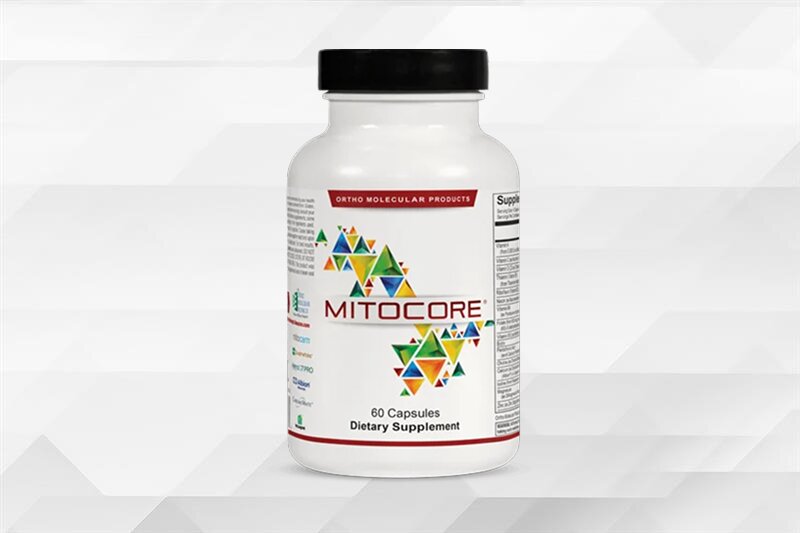
Supports mitochondrial function and metabolic processes to promote daily energy, focus and vitality.
- Supports cellular energy production
- Promotes healthy metabolic function
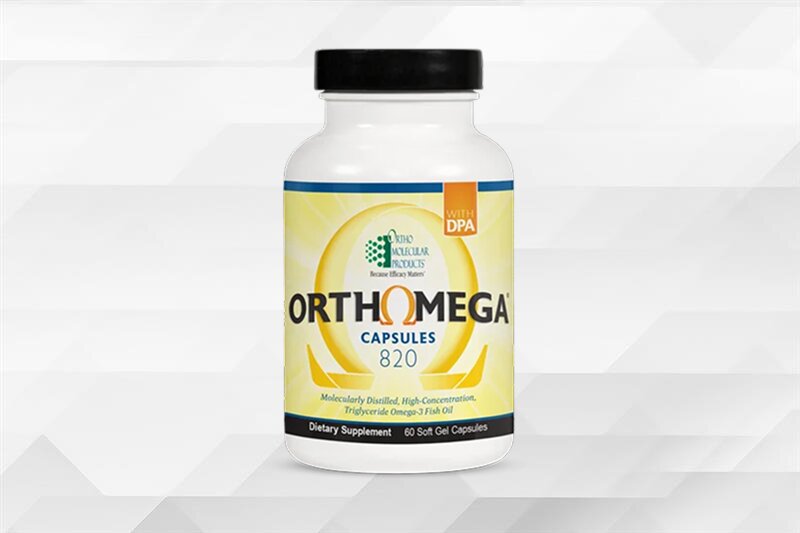
Supports heart, brain, joint, skin, and eye health while helping maintain a healthy inflammatory response.
- Supports cardiovascular health and blood sugar metabolism
- Helps maintain joint health and normal inflammatory balance
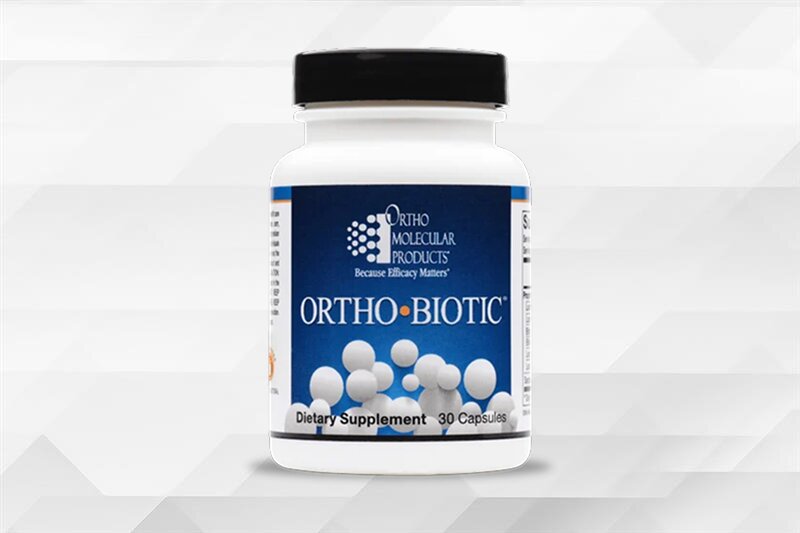
Promotes a balanced gut microbiome to support digestion, nutrient absorption, and immune function.
- Supports secretory IgA and gut immune health
- Promotes digestive comfort, bowel regularity, and nutrient absorption
Supports mitochondrial function and metabolic processes to promote daily energy, focus and vitality.
- Supports cellular energy production
- Promotes healthy metabolic function
Supports heart, brain, joint, skin, and eye health while helping maintain a healthy inflammatory response.
- Supports cardiovascular health and blood sugar metabolism
- Helps maintain joint health and normal inflammatory balance
Promotes a balanced gut microbiome to support digestion, nutrient absorption, and immune function.
- Supports secretory IgA and gut immune health
- Promotes digestive comfort, bowel regularity, and nutrient absorption
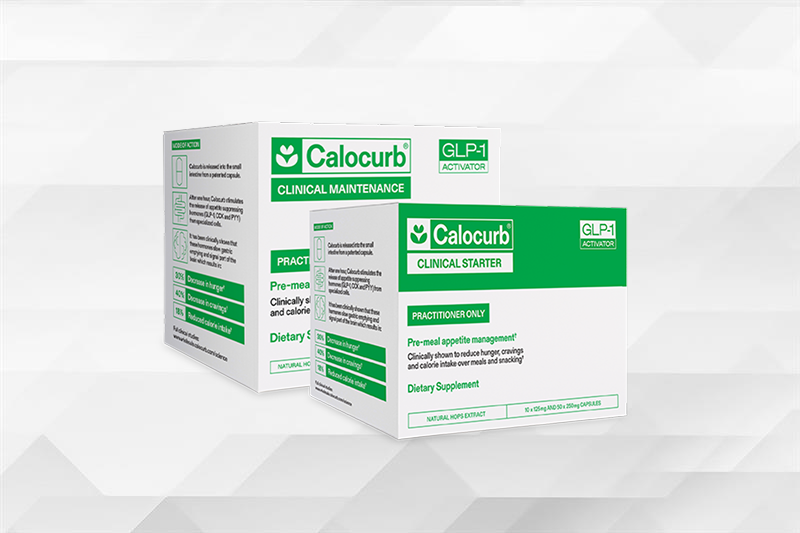
Supports healthy appetite regulation and metabolic function by promoting the body's natural satiety signals.
- Stimulates natural GLP-1, CCK, and PYY release
- Enhances adherence to intermittent fasting and time-restricted eating
Promotes a balanced gut microbiome to support digestion, nutrient absorption, and immune function.
- Delivers 11 g of fiber to support digestive health
- Supports natural GLP-1 production to help manage appetite
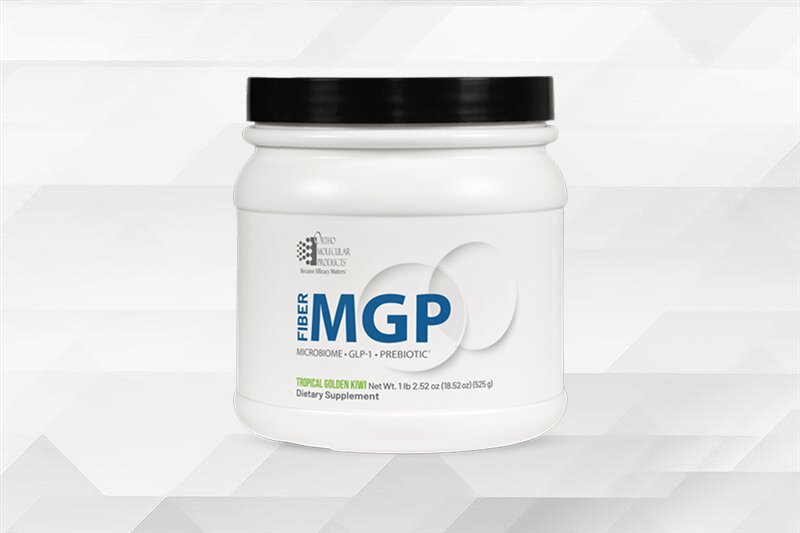
Supports healthy appetite regulation and metabolic function by promoting the body's natural satiety signals.
- Stimulates natural GLP-1, CCK, and PYY release
- Enhances adherence to intermittent fasting and time-restricted eating
Promotes a balanced gut microbiome to support digestion, nutrient absorption, and immune function.
- Delivers 11 g of fiber to support digestive health
- Supports natural GLP-1 production to help manage appetite
From evidence-based formulations and uncompromising quality standards to long-term partnerships with licensed health care practitioners, our purpose-driven approach shapes everything we do.

From evidence-based formulations and uncompromising quality standards to long-term partnerships with licensed health care practitioners, our purpose-driven approach shapes everything we do.
Our evidence-based supplements are available only through licensed health care professionals, reflecting our commitment to the medical community.

Our evidence-based supplements are available only through licensed health care professionals, reflecting our commitment to the medical community.
Our commitment to evidence-based formulation, rigorous quality standards, and practitioner partnership has earned recognition across the health care industry. These distinctions reflect our ongoing focus on scientific integrity, efficacy, and clinical trust.

Our commitment to evidence-based formulation, rigorous quality standards, and practitioner partnership has earned recognition across the health care industry. These distinctions reflect our ongoing focus on scientific integrity, efficacy, and clinical trust.
Access educational product videos, detailed product information sheets, and approved social media assets designed to support licensed health care professionals.
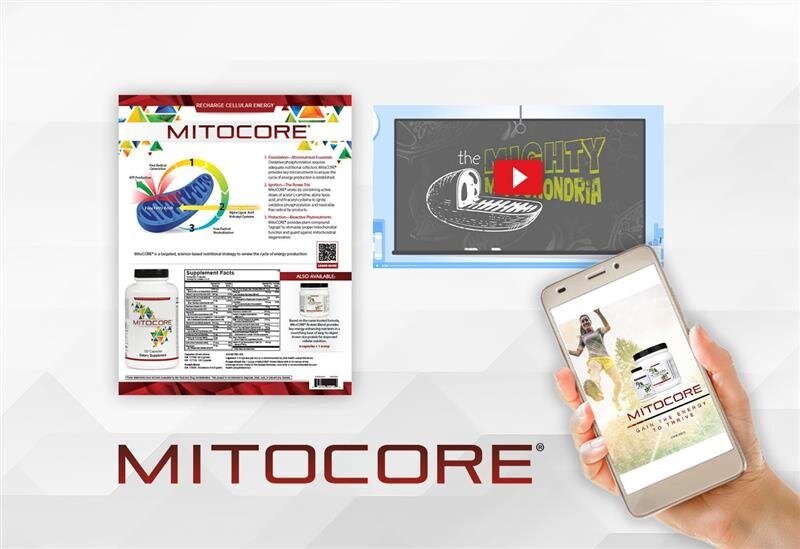
Access educational product videos, detailed product information sheets, and approved social media assets designed to support licensed health care professionals.
Find the right solution for ordering, patient care, and practice growth.

Find the right solution for ordering, patient care, and practice growth.
Tools and programs designed to help independent pharmacies drive front-end growth and long-term patient loyalty.

Tools and programs designed to help independent pharmacies drive front-end growth and long-term patient loyalty.
We partner exclusively with licensed health care professionals to deliver evidence-based supplements and clinical support.
We partner exclusively with licensed health care professionals to deliver evidence-based supplements and clinical support.

How to Judge Supplement Quality: Testing, Certification, and Manufacturing
A high quality supplement brand can show you, with documents, how each lot was made and tested: a manufacturing facility audited against a public GMP standard, identity testing on incoming ingredients, finished-lot testing against the label, and a certificate of analysis for the lot in your hand. At Ortho Molecular Products, that is the standard we hold ourselves to, and it is the standard we encourage every practitioner to use when choosing a line.
We wrote this guide for practitioners who recommend or dispense supplements and want a repeatable way to judge quality, and for patients who were handed a bottle and want to know what stands behind it. It covers what the law requires, what independent certification adds, which documents to ask for, and how to read quality claims with confidence.
Why quality is the first thing to check
A well-made supplement starts long before the bottle. Under the Dietary Supplement Health and Education Act of 1994, the manufacturer is responsible for making sure a product is safe and labeled correctly, and FDA oversees the market through inspections, warning letters, and recalls (FDA: Dietary Supplements). That puts quality where it belongs: in the hands of the company that makes the product.
The best manufacturers treat that responsibility as the core of the business. Two bottles with the same ingredient and dose can come from different processes. One has had its raw material identity confirmed by a lab test, its finished lot assayed for potency, and its microbial load checked. The documents tell you which process you are looking at, which is why we put so much weight on them.
For a practitioner, quality is part of clinical care. Your recommendation carries your credibility to the product, and a well-documented product supports the conversation you have with your patient. Checking a brand's quality systems is the same kind of due diligence you would apply to a reference lab.
What the law requires of every manufacturer
Every company that makes, packages, labels, or holds dietary supplements in the United States has to follow FDA's current good manufacturing practice rule, 21 CFR Part 111. A few specifics are worth knowing, because they are the foundation every quality program builds on.
- Identity testing on ingredients. A manufacturer must confirm each dietary ingredient's identity with at least one appropriate test or examination before use, unless FDA has granted an exemption (21 CFR 111.75).
- Reserve samples for every lot. The manufacturer must keep reserve samples of each packaged and labeled lot it distributes, kept until 1 year after the shelf life date, or 2 years after that batch was last distributed (21 CFR 111.83).
- Records. Batch records and the rest of the required paperwork must be kept for the same period (21 CFR 111.605).
These rules matter for a practical reason. A company that follows them already has the data you want to see, and a well-run company can share it readily. For a deeper walk through the rule, see what cGMP means for supplements.
Strong manufacturers go further than the rule by inviting outside auditors to check their systems on a regular cycle. That is where third-party certification comes in.
How quality is built and verified
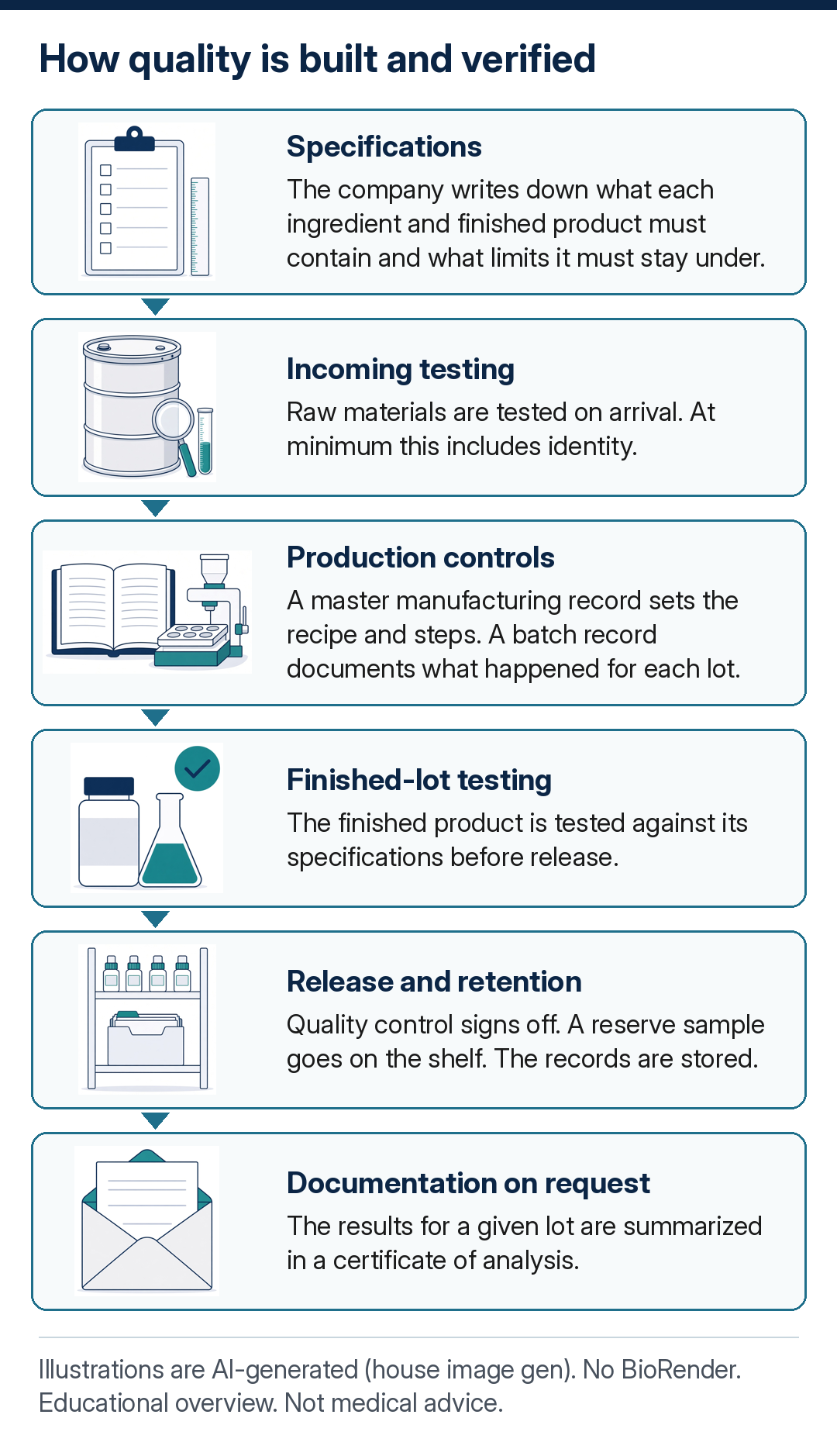
Quality in a supplement comes from a chain of controls. Each link produces a record, and each record is something you can ask about.
- Specifications. The company writes down what each ingredient and finished product must contain and what limits it must stay under: identity, strength, purity, and contaminants.
- Incoming testing. Raw materials are tested on arrival. At minimum this includes identity. Strong programs also test potency, heavy metals, microbial counts, and solvents before the material is released to production.
- Production controls. A master manufacturing record sets the recipe and steps. A batch record documents what happened for each lot.
- Finished-lot testing. The finished product is tested against its specifications before release. This is where label accuracy is checked.
- Release and retention. Quality control signs off. A reserve sample goes on the shelf. The records are stored.
- Documentation on request. The results for a given lot are summarized in a certificate of analysis. Learn how to read a COA.
Independent verification sits on top of this chain. A certifier can audit the facility against a published GMP standard, test specific products, or both. Those are two separate services, and knowing which one a brand holds lets you describe it accurately. See third party tested supplements for the types of independent testing and what each one confirms.
Facility certification and product certification
A facility GMP certification means an independent body audited the manufacturing site and its systems against a GMP standard. NSF/ANSI 455-2 is one such standard for dietary supplements, and NSF publishes a searchable list of the facilities it covers. The listing shows the company name, site address, and the dosage forms covered, and it speaks to how the whole facility operates.
A product certification means a specific product was tested against a standard, usually for label accuracy and contaminants, and is retested on a schedule. A product that holds one carries a mark tied to that product, and the certifier's database lists the product by name.
Both are valuable, and they answer different questions. A facility listing tells you about the systems behind every product made at that site, while a product mark tells you about one named product, which may be made by the brand or by a contract manufacturer. Read NSF certified supplements for how to look up an NSF listing and read it correctly.
A decision framework: five questions to ask any brand
Work through these in order. A strong brand answers each one with a document.
- Where is it made, and can I look up the facility's GMP status? Ask for the certifier's name and the listing. Search it yourself.
- How are incoming ingredients tested? You want identity on every dietary ingredient, which the law requires, plus a clear picture of what else is tested on receipt.
- How is the finished lot tested? Ask what tests run on each lot before release and whether label claims are assayed.
- Can I get a COA for this lot? Give them the lot number from your bottle. A company with organized systems can match the document to the lot.
- How is the product sold? A brand sold through practitioners has a shorter, more traceable supply chain than one sold on open marketplaces, where storage and authenticity are harder to follow.
Score each brand on what you confirmed yourself, and keep the answers on file. Choosing a whole line to stock in your practice is a bigger job. The companion guide on choosing a professional supplement line adds channel, support, and vendor fit.
How we build quality at Ortho
Practitioners often ask us what happens between a raw material arriving at our dock and a finished bottle reaching their practice. Our Stevens Point, Wisconsin facility handles it this way, as described in our corporate brochure.
- Core testing on receipt. We core test every incoming raw material, drawing multiple samples from every level of the container, and those samples are checked for identity, microbiology, and purity.
- Written procedures at every stage. Every stage of production runs on written SOPs (standard operating procedures) and MOPs (methods of procedure), so each lot is made the same way.
- Dedicated blending. We blend raw materials in dedicated rooms with a gravity-fed powder system, under strict protocols that keep each batch consistent.
- Stability testing. Stability testing is part of every new formula. We assay its ingredients for degradation, which is how each product still meets its labeled amount through expiration.
- Every lot tested. Every lot we manufacture goes through extensive testing for purity, strength, identity, and composition. FDA and third parties audit our facility on a regular cycle, with passing results.
For a practitioner, this list doubles as a set of questions to ask any manufacturer, including us.
Reading quality claims with confidence
"Best quality" and "highest quality." These describe a brand's ambition. The way to weigh them is to ask which of the five questions above the brand can answer with documents. A list of "best brands" is most useful when it shows its criteria.
"Pharmaceutical grade." Brands use this phrase to describe a benchmark they hold themselves to, most often drug-level GMP practices or ingredients that meet a USP monograph. FDA does not define a separate supplement grade, so ask which benchmark a company means and for the document behind it.
"Made in USA." Under the FTC's Made in USA Labeling Rule, an unqualified "Made in USA" label requires final assembly and all significant processing in the United States, with all or virtually all ingredients made and sourced here (16 CFR 323.2). Many supplement ingredients are sourced globally, so the most precise statement is often where a product is manufactured and how its ingredients are tested on arrival.
"Doctor recommended." This usually describes a sales channel or clinician use. It carries the most weight when the brand behind it can show the documents in this guide. See doctor recommended supplements for what practitioner-grade involves.
Quick checks practitioners use
- Match the document to the question. A facility listing speaks to systems. The lot COA speaks to product results.
- Match the COA to the bottle. Look for a lot number that matches the bottle in your hand.
- Ask what was tested. Identity is the legal floor. Potency, heavy metals, and microbial limits are separate tests, and strong brands run them.
- Buy through the authorized channel. Products from unauthorized resellers may be old, poorly stored, or counterfeit, even when the brand is sound.
- Notice the reply time. A company with organized records can usually produce a COA for a lot it shipped without delay.
Ortho Molecular Products at a glance
Ortho Molecular Products is a practitioner-channel supplement company. They are available only through licensed practitioners (Why Ortho).
- Facility GMP listing you can check. Ortho Molecular Products, Inc. holds an NSF/ANSI 455-2 GMP listing for its facility at 3017 Business Park Drive, Stevens Point, Wisconsin, covering capsules, tablets, powders, liquids, oils, and softgels. You can search it yourself on NSF's listing page. The listing covers the facility and its systems, and lot results for each formula come from the COA.
- Laboratory testing. We use both in-house and outside laboratories for product testing, depending on the product, including testing for purity, strength, and composition (The Ortho Difference).
- Lot COA on request. Practitioners can request a lot certificate of analysis by sending the product name plus the lot number printed on the label.
- Practitioner-only access. We sell through practitioners. If you see Ortho products on a general marketplace, buy through your practitioner instead so you know where the bottle came from.
Frequently asked questions
How can I tell if a supplement brand is high quality? Ask for proof at each step: a facility GMP listing you can look up, how ingredients are tested on arrival, how finished lots are tested, and a COA for your lot. A brand that answers all four with documents is a strong candidate.
Are third-party tested supplements always better? Third-party testing adds a valuable independent check. The check is strongest when you know what was tested and whether it applies to your product and lot, so ask what the test covered.
Does NSF certification mean every product was tested? It depends on the program. NSF/ANSI 455-2 GMP certification covers a facility's manufacturing systems. Product certification is a separate program that tests named products. Check which one a brand holds.
What is a certificate of analysis? It is the lab record for a single lot: each test, its specification, the result, the method, and a quality control signature.
Is "pharmaceutical grade" a real standard for supplements? It describes a benchmark a company sets for itself, such as USP monographs or drug GMP practices. FDA has no separate supplement grade. Ask the company which standard it means and for the supporting document.
Can a supplement say Made in USA if it uses imported ingredients? An unqualified claim needs all or virtually all of the product to be domestic under FTC policy. A qualified statement, such as where it is manufactured, is the accurate alternative.
Where should patients buy practitioner brands? From their practitioner or the practitioner's authorized store. That keeps the supply chain traceable.
Guides in this series
- Third party tested supplements: what the testing proves
- NSF certified supplements: facility vs product
- How to read a certificate of analysis
- What cGMP means for supplements
- Doctor recommended supplements and practitioner-grade
Next step
Practitioners can open an Ortho practitioner account to see the catalog and clinical resources.


These statements have not been evaluated by the Food and Drug Administration. These products are not intended to diagnose, treat, cure or prevent any disease.
