


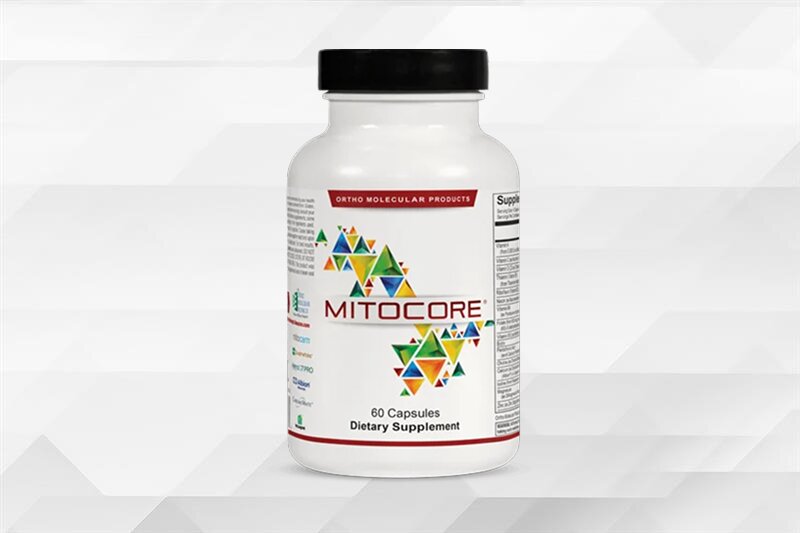
Supports mitochondrial function and metabolic processes to promote daily energy, focus and vitality.
- Supports cellular energy production
- Promotes healthy metabolic function
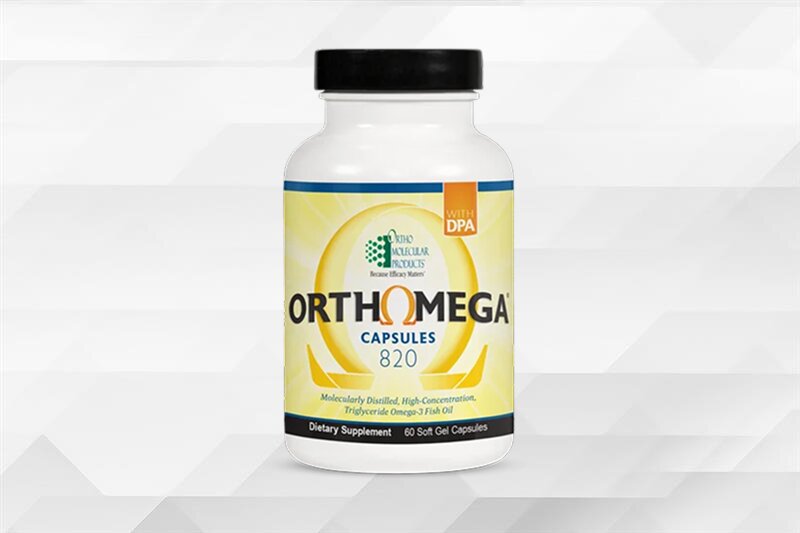
Supports heart, brain, joint, skin, and eye health while helping maintain a healthy inflammatory response.
- Supports cardiovascular health and blood sugar metabolism
- Helps maintain joint health and normal inflammatory balance
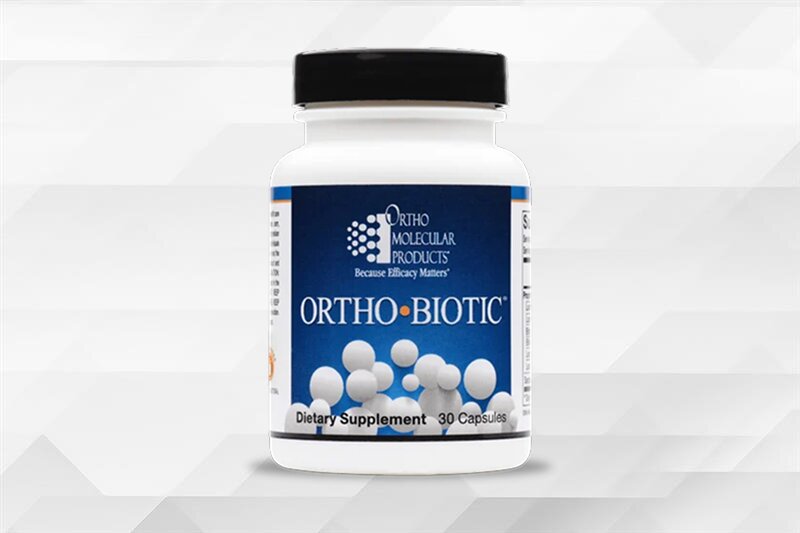
Promotes a balanced gut microbiome to support digestion, nutrient absorption, and immune function.
- Supports secretory IgA and gut immune health
- Promotes digestive comfort, bowel regularity, and nutrient absorption
Supports mitochondrial function and metabolic processes to promote daily energy, focus and vitality.
- Supports cellular energy production
- Promotes healthy metabolic function
Supports heart, brain, joint, skin, and eye health while helping maintain a healthy inflammatory response.
- Supports cardiovascular health and blood sugar metabolism
- Helps maintain joint health and normal inflammatory balance
Promotes a balanced gut microbiome to support digestion, nutrient absorption, and immune function.
- Supports secretory IgA and gut immune health
- Promotes digestive comfort, bowel regularity, and nutrient absorption
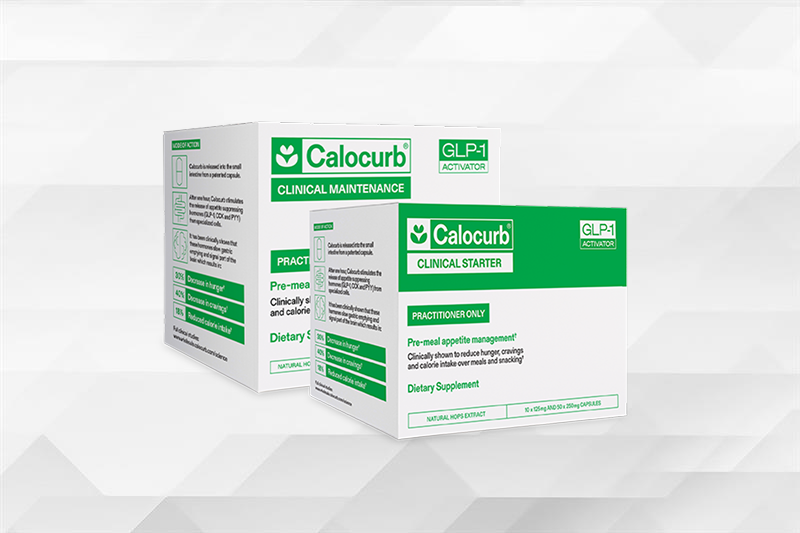
Supports healthy appetite regulation and metabolic function by promoting the body's natural satiety signals.
- Stimulates natural GLP-1, CCK, and PYY release
- Enhances adherence to intermittent fasting and time-restricted eating
Promotes a balanced gut microbiome to support digestion, nutrient absorption, and immune function.
- Delivers 11 g of fiber to support digestive health
- Supports natural GLP-1 production to help manage appetite
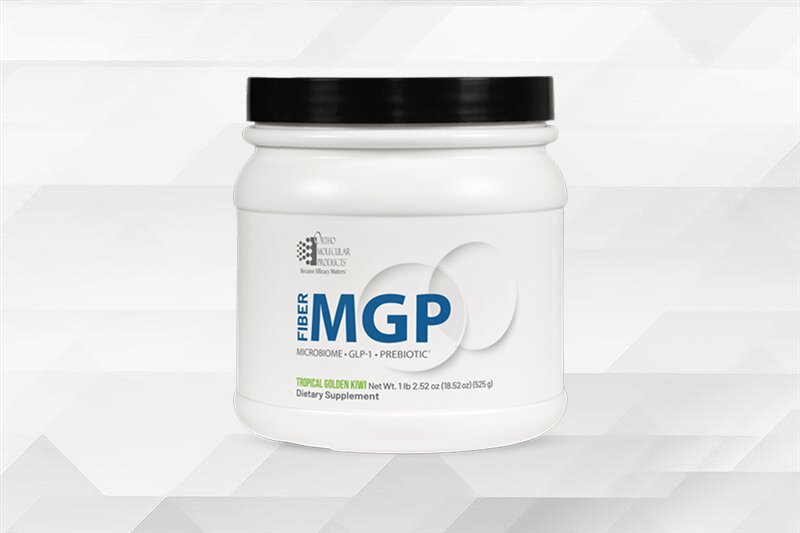
Supports healthy appetite regulation and metabolic function by promoting the body's natural satiety signals.
- Stimulates natural GLP-1, CCK, and PYY release
- Enhances adherence to intermittent fasting and time-restricted eating
Promotes a balanced gut microbiome to support digestion, nutrient absorption, and immune function.
- Delivers 11 g of fiber to support digestive health
- Supports natural GLP-1 production to help manage appetite
From evidence-based formulations and uncompromising quality standards to long-term partnerships with licensed health care practitioners, our purpose-driven approach shapes everything we do.

From evidence-based formulations and uncompromising quality standards to long-term partnerships with licensed health care practitioners, our purpose-driven approach shapes everything we do.
Our evidence-based supplements are available only through licensed health care professionals, reflecting our commitment to the medical community.

Our evidence-based supplements are available only through licensed health care professionals, reflecting our commitment to the medical community.
Our commitment to evidence-based formulation, rigorous quality standards, and practitioner partnership has earned recognition across the health care industry. These distinctions reflect our ongoing focus on scientific integrity, efficacy, and clinical trust.

Our commitment to evidence-based formulation, rigorous quality standards, and practitioner partnership has earned recognition across the health care industry. These distinctions reflect our ongoing focus on scientific integrity, efficacy, and clinical trust.
Access educational product videos, detailed product information sheets, and approved social media assets designed to support licensed health care professionals.

Access educational product videos, detailed product information sheets, and approved social media assets designed to support licensed health care professionals.
Find the right solution for ordering, patient care, and practice growth.

Find the right solution for ordering, patient care, and practice growth.
Tools and programs designed to help independent pharmacies drive front-end growth and long-term patient loyalty.

Tools and programs designed to help independent pharmacies drive front-end growth and long-term patient loyalty.
We partner exclusively with licensed health care professionals to deliver evidence-based supplements and clinical support.

We partner exclusively with licensed health care professionals to deliver evidence-based supplements and clinical support.

Doctor Recommended Supplements: What Practitioner-Grade Means
"Doctor recommended" on a supplement usually means the brand is sold through or used by licensed clinicians who chose it for their patients. The strongest practitioner brands back that trust with evidence you can check: a manufacturing facility with a public GMP listing, ingredient and lot testing, lot documentation on request, and a supply chain that runs through the practitioner.
At Ortho Molecular Products, we have partnered exclusively with health care providers for more than 35 years (Ortho Molecular Products corporate brochure), so this is a question close to home. This page is for patients whose practitioner recommended a specific brand and who want to know why, and for practitioners explaining their choices to patients. It covers what "doctor recommended" and "practitioner-grade" mean in practice, how to evaluate the claim, and how to talk about it with confidence. For the full quality checklist, work through our supplement quality guide.
Why practitioner brands are different
Practitioner channel brands often work differently from general retail brands. They publish ingredient forms and doses, provide clinical education, support dispensaries, and keep products off general retail shelves. Each of those features is worth something to a patient, and each one can be confirmed directly.
"Doctor recommended" and "practitioner-grade" are descriptive terms with no regulatory definition, so the most useful way to weigh them is to look at the documents and practices behind the brand.
What practitioner-grade usually involves
Across the professional supplement market, "practitioner-grade" tends to describe some combination of:
- Channel. Sold through licensed practitioners or their authorized online stores, with practitioner accounts.
- Formulation. Specific ingredient forms chosen for the clinical goal, with doses on the label.
- Documentation. Lot COAs available to practitioners, and technical sheets with references.
- Manufacturing evidence. A facility GMP listing or product certifications you can look up.
- Clinical support. Education, protocol tools, and staff who can answer formulation questions.
Each of these can be checked. A brand that delivers all five is doing the work the phrase implies.
How to evaluate a "doctor recommended" brand
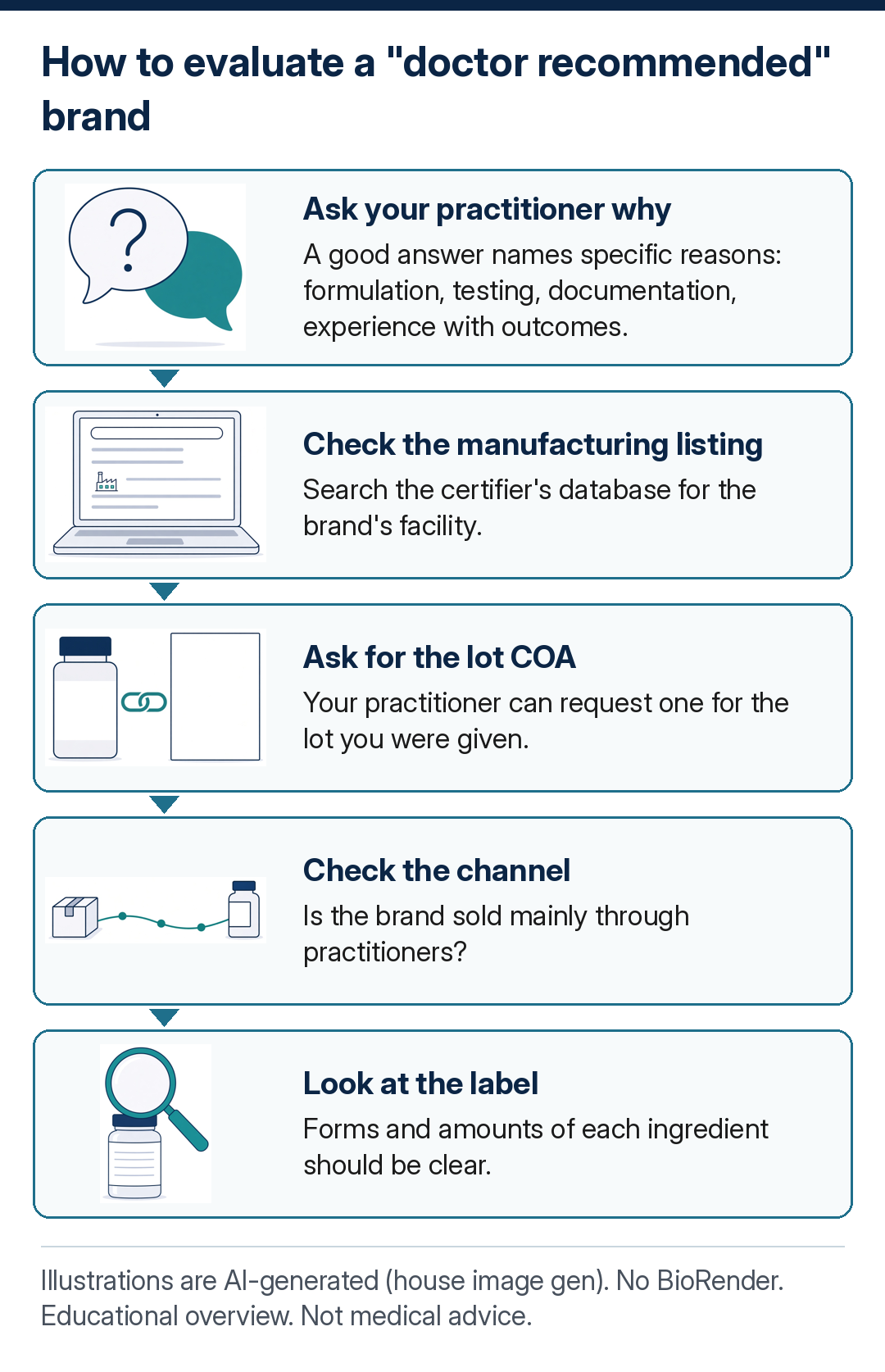
- Ask your practitioner why. A good answer names specific reasons: formulation, testing, documentation, experience with outcomes.
- Check the manufacturing listing. Search the certifier's database for the brand's facility. See third party tested supplements for how.
- Ask for the lot COA. Your practitioner can request one for the lot you were given. How to read a COA.
- Check the channel. Is the brand sold mainly through practitioners? If you see it on a marketplace, buying through your practitioner keeps the bottle's history traceable.
- Look at the label. Forms and amounts of each ingredient should be clear, which makes a formula easy to evaluate.
A framework for practitioners explaining a recommendation
Patients trust a recommendation more when the reasoning is visible. Three sentences cover it:
- What it is for. The goal, in structure and function terms.
- Why this product. The ingredient form or dose, and one quality fact you confirmed, such as the facility listing or the lot COA.
- How you can get it. Through the practice, with the option to buy elsewhere if they prefer.
Patients who know they have a choice tend to trust the recommendation more. Saying it out loud also answers a question a patient may not ask: whether the recommendation is about their care or about the sale. If you dispense, keep the product name and lot number on the patient's plan so a later refill or question can be traced. For more on this conversation, see talking to patients about supplements.
Why formulation is part of practitioner-grade
Quality testing tells you a product matches its label. Formulation tells you why the label says what it says. Practitioners often choose a brand because of decisions made before manufacturing starts.
At Ortho, our research team assesses a wide range of evidence, from traditional use and clinical observation to well-controlled human clinical trials, when choosing ingredients. We select raw materials to match the forms studied in clinical research, and we formulate to the amounts supported by that research (Ortho Molecular Products corporate brochure). When a practitioner explains a recommendation, the ingredient form and the amount per serving are often the most useful facts to share.
Getting the most from a practitioner recommendation
- Look past the phrase to the documents. "Doctor recommended" carries more weight when that brand can show its facility listing and lot COA.
- Separate endorsements from clinical recommendations. A media endorsement is advertising, and FTC rules require endorsements to reflect honest opinions and disclose material connections (FTC Endorsement Guides, 16 CFR 255). A recommendation from your own practitioner is based on your plan.
- Buy through the authorized channel. Storage, age, and authenticity are hard to verify outside the authorized channel.
- Judge each product on its evidence. Facility listing, testing, and lot COA are the same yardstick for every brand.
- Keep your practitioner in the loop. If you take a supplement your practitioner did not recommend, tell them. It affects the plan.
Microbial and contaminant testing: what you can ask for
Patients with sensitive guts or allergies sometimes want more than a brand name. A practitioner can ask the manufacturer for the lot COA, which typically reports microbial limits (total aerobic count, yeast and mold, absence of pathogens such as E. coli and Salmonella) and heavy metals. These results are the most concrete answer to "is this clean," and a practitioner brand should be glad to provide them.
Questions to bring to your next appointment
If your practitioner recommends a supplement and you want to understand the choice, these questions keep the conversation short and useful:
- What is this meant to support, and how will we know if it is helping?
- Why this form of the ingredient, and why this amount?
- How long should I take it before we reassess?
- Can you get the lab results for the batch I am buying?
- If I prefer to buy it somewhere else, which sellers are authorized?
Most practitioners welcome these questions. They show you plan to follow the protocol, and they give the practitioner a chance to explain reasoning that often goes unsaid in a short visit. Write the answers down, along with the product name and lot number from the bottle, so you have them at your next check-in.
Ortho Molecular Products as a practitioner channel brand
Our supplements are available only through licensed practitioners (Why Ortho).
On manufacturing, our Stevens Point, Wisconsin facility shows up on NSF's public 455-2 GMP facility list (NSF listing). We use in-house and outside laboratories, depending on the product, to test purity, strength, and composition (The Ortho Difference), and practitioners can ask for the COA on any lot.
For practitioners building patient plans, our Clinical Care Path™ is our resource page for health care professionals. If your patient was given a product such as Methyl B12, the practice can request that lot's COA.
Frequently asked questions
What does doctor recommended mean on supplements? Usually that the brand is sold through or used by clinicians. It is a descriptive term with no regulatory definition, so look for the facility listing and lot COA behind it.
What are practitioner-grade supplements? Products sold mainly through licensed practitioners, typically with published ingredient forms, lot documentation, and clinical support. The term is not regulated, so check the evidence.
Are practitioner brands better than store brands? Many practitioner brands offer stronger documentation, clinical support, and channel control. Judge each product on its facility listing, testing, and lot COA.
Why does my practitioner sell supplements? Convenience and confidence in the product are common reasons. You can ask how the practice handles supplement sales and whether you can buy the same product elsewhere.
Can I buy practitioner brands online? Through your practitioner's authorized online store, yes. Marketplace sellers may not be authorized.
How do I know a doctor recommended supplement is safe for me? Ask your practitioner about fit with your health history, and ask for the lot COA if you have sensitivities. For questions about an Ortho product and your medications, contact Ortho's customer service team at 1-800-332-2351 or contactus@ompimail.com.
Next step
Practitioners can learn how Ortho works with practices.
See the parent page: our guide to supplement quality.


These statements have not been evaluated by the Food and Drug Administration. These products are not intended to diagnose, treat, cure or prevent any disease.
