


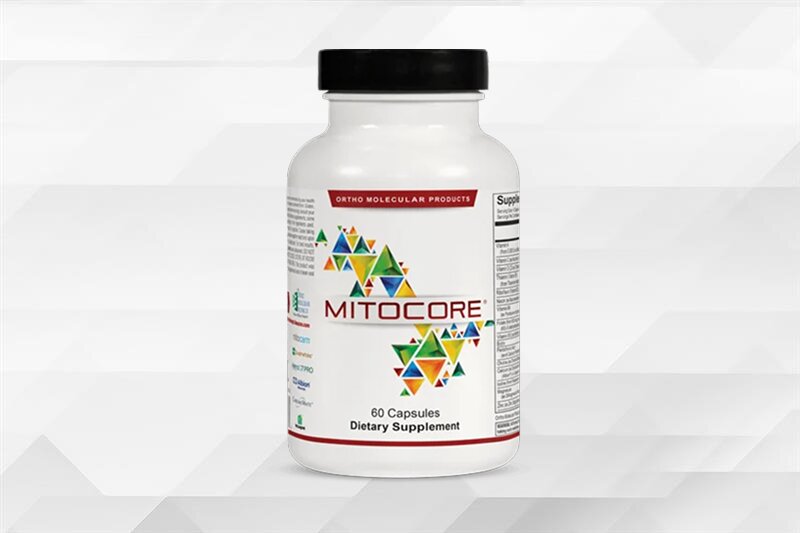
Supports mitochondrial function and metabolic processes to promote daily energy, focus and vitality.
- Supports cellular energy production
- Promotes healthy metabolic function
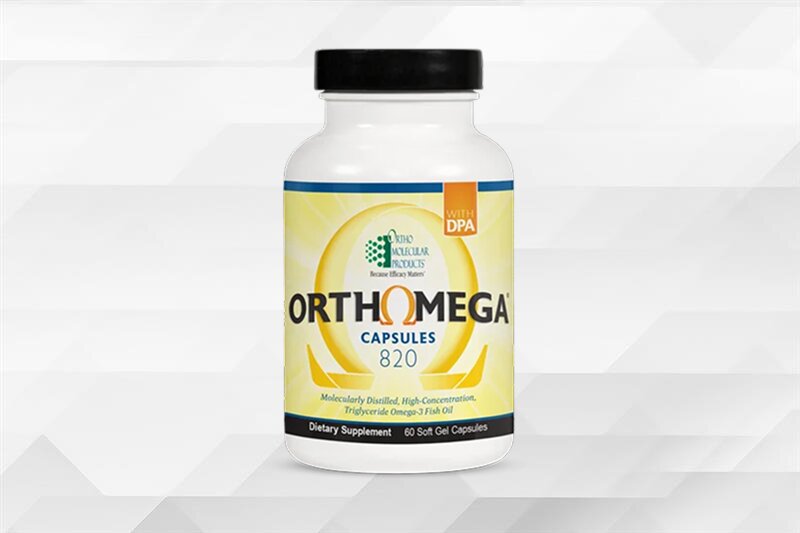
Supports heart, brain, joint, skin, and eye health while helping maintain a healthy inflammatory response.
- Supports cardiovascular health and blood sugar metabolism
- Helps maintain joint health and normal inflammatory balance
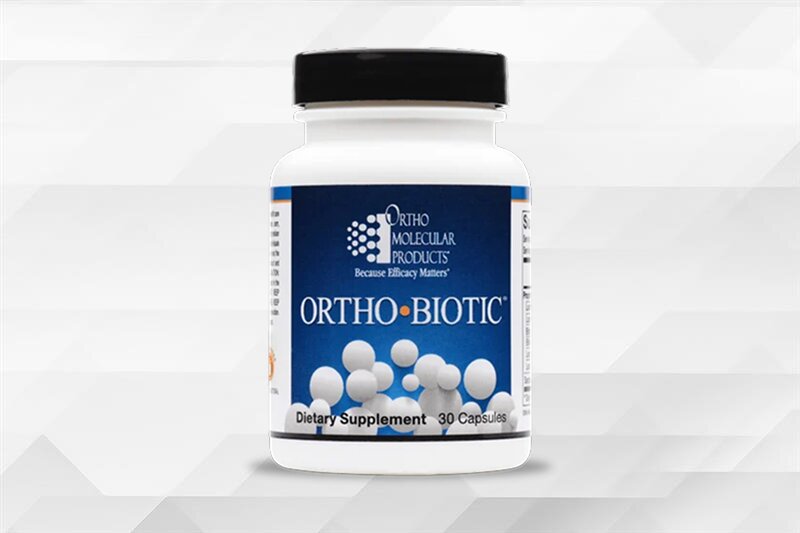
Promotes a balanced gut microbiome to support digestion, nutrient absorption, and immune function.
- Supports secretory IgA and gut immune health
- Promotes digestive comfort, bowel regularity, and nutrient absorption
Supports mitochondrial function and metabolic processes to promote daily energy, focus and vitality.
- Supports cellular energy production
- Promotes healthy metabolic function
Supports heart, brain, joint, skin, and eye health while helping maintain a healthy inflammatory response.
- Supports cardiovascular health and blood sugar metabolism
- Helps maintain joint health and normal inflammatory balance
Promotes a balanced gut microbiome to support digestion, nutrient absorption, and immune function.
- Supports secretory IgA and gut immune health
- Promotes digestive comfort, bowel regularity, and nutrient absorption
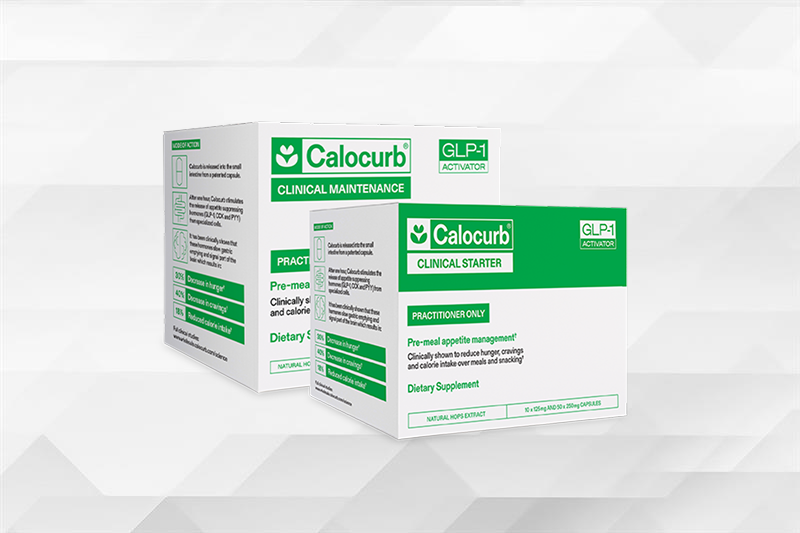
Supports healthy appetite regulation and metabolic function by promoting the body's natural satiety signals.
- Stimulates natural GLP-1, CCK, and PYY release
- Enhances adherence to intermittent fasting and time-restricted eating
Promotes a balanced gut microbiome to support digestion, nutrient absorption, and immune function.
- Delivers 11 g of fiber to support digestive health
- Supports natural GLP-1 production to help manage appetite
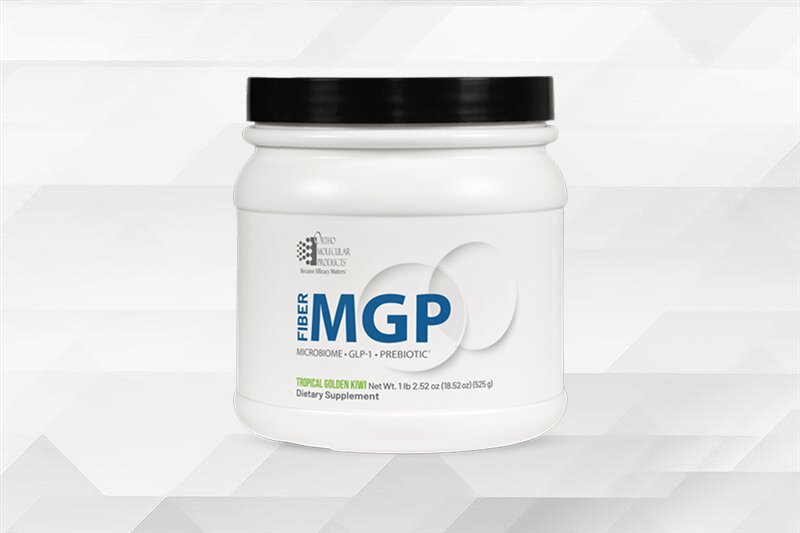
Supports healthy appetite regulation and metabolic function by promoting the body's natural satiety signals.
- Stimulates natural GLP-1, CCK, and PYY release
- Enhances adherence to intermittent fasting and time-restricted eating
Promotes a balanced gut microbiome to support digestion, nutrient absorption, and immune function.
- Delivers 11 g of fiber to support digestive health
- Supports natural GLP-1 production to help manage appetite
From evidence-based formulations and uncompromising quality standards to long-term partnerships with licensed health care practitioners, our purpose-driven approach shapes everything we do.

From evidence-based formulations and uncompromising quality standards to long-term partnerships with licensed health care practitioners, our purpose-driven approach shapes everything we do.
Our evidence-based supplements are available only through licensed health care professionals, reflecting our commitment to the medical community.

Our evidence-based supplements are available only through licensed health care professionals, reflecting our commitment to the medical community.
Our commitment to evidence-based formulation, rigorous quality standards, and practitioner partnership has earned recognition across the health care industry. These distinctions reflect our ongoing focus on scientific integrity, efficacy, and clinical trust.

Our commitment to evidence-based formulation, rigorous quality standards, and practitioner partnership has earned recognition across the health care industry. These distinctions reflect our ongoing focus on scientific integrity, efficacy, and clinical trust.
Access educational product videos, detailed product information sheets, and approved social media assets designed to support licensed health care professionals.

Access educational product videos, detailed product information sheets, and approved social media assets designed to support licensed health care professionals.
Find the right solution for ordering, patient care, and practice growth.

Find the right solution for ordering, patient care, and practice growth.
Tools and programs designed to help independent pharmacies drive front-end growth and long-term patient loyalty.

Tools and programs designed to help independent pharmacies drive front-end growth and long-term patient loyalty.
We partner exclusively with licensed health care professionals to deliver evidence-based supplements and clinical support.
We partner exclusively with licensed health care professionals to deliver evidence-based supplements and clinical support.

What cGMP Means for Supplements
cGMP stands for current good manufacturing practice, and for supplements it means the FDA rule at 21 CFR Part 111 that every company making, packaging, labeling, or holding dietary supplements in the United States is required to follow. It sets requirements for written specifications, ingredient identity testing, batch records, quality control review, reserve samples, complaint handling, and record keeping.
At Ortho Molecular Products, cGMP is the backbone of how we run our Stevens Point, Wisconsin facility, and we think practitioners get real value from knowing how it works. Practitioners and patients who see "cGMP" or "GMP certified" on a label can use this page to learn what it covers. It explains the main requirements in plain terms, what "certified" adds to "compliant," and how to use cGMP when you judge a brand. This page belongs to the supplement quality guide.
Why cGMP matters
cGMP is the main federal framework for making sure supplements are made consistently and contain what the label says. It holds the manufacturer responsible for quality at every step, from raw material to finished bottle. FDA summarizes its manufacturing rules for food and dietary supplements on one overview page (FDA: CGMPs for food and dietary supplements).
It is also the source of every useful quality document. A batch record, a reserve sample, and a certificate of analysis all come out of the systems cGMP requires, which is why understanding the rule makes you a sharper reader of any brand's quality story.
How cGMP works in a supplement facility
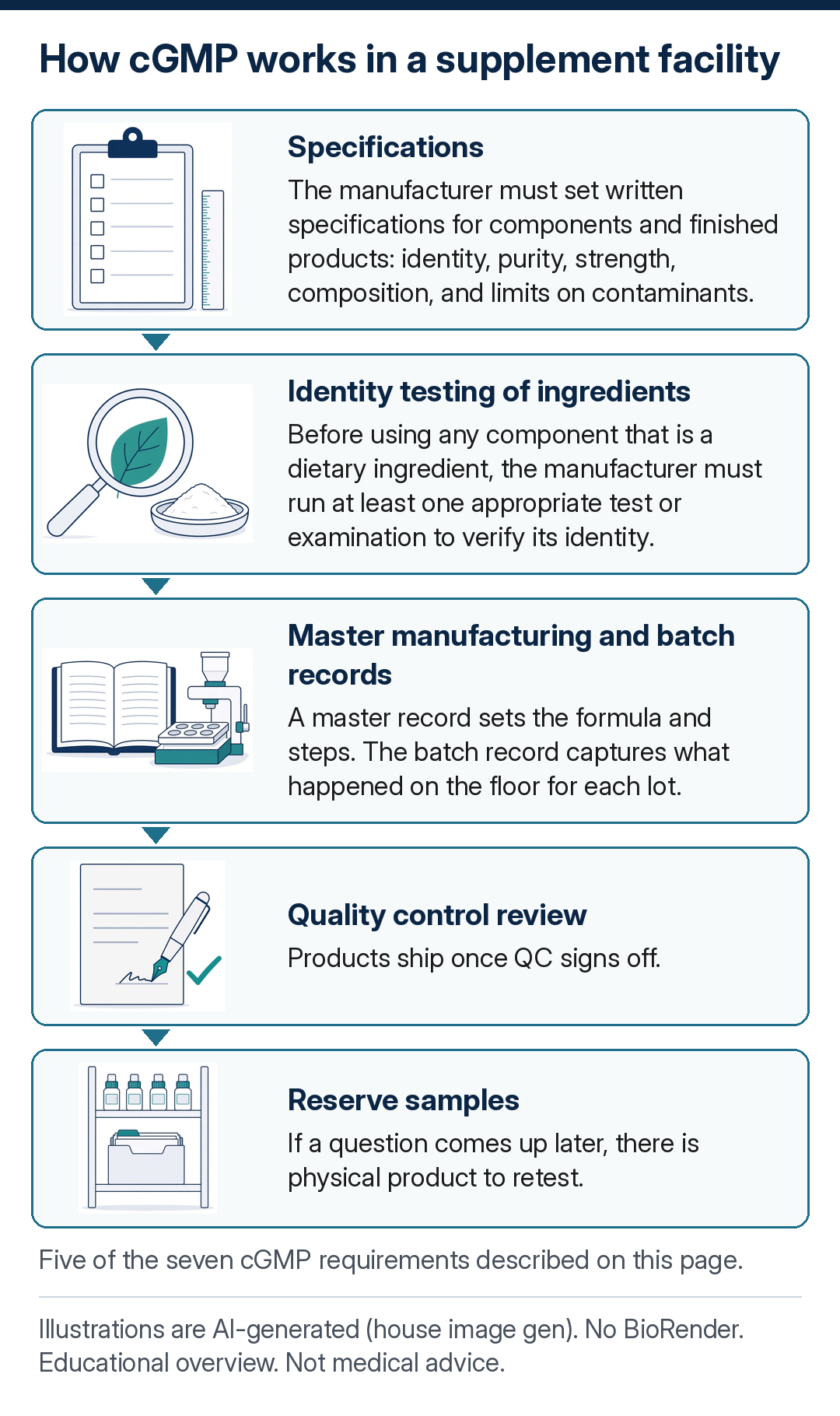
The rule is long. Seven requirements do most of the work for a buyer.
1. Specifications
The manufacturer must set written specifications for components and finished products: identity, purity, strength, composition, and limits on contaminants. Everything else is measured against these.
The rule goes further than most buyers expect. It requires a specification at any point, step, or stage of manufacturing where control is needed to protect quality, which includes in-process checks between raw material and finished bottle (21 CFR 111.70). For every component, the manufacturer must set an identity specification, specifications that protect the purity, strength, and composition of the finished product, and limits on contamination that could adulterate the batch. The company must also document why meeting its in-process and component specs will produce a finished product that meets its own specs. That written rationale is a useful thing to ask about: a brand that can explain where its control points sit understands its own process.
2. Identity testing of ingredients
Before using any component that is a dietary ingredient, the manufacturer must run at least one appropriate test or examination to verify its identity, unless FDA grants an exemption by petition (21 CFR 111.75). This step confirms the right raw material goes into every batch.
3. Master manufacturing and batch records
A master record sets the formula and steps. The batch record captures what happened on the floor for each lot: weights, equipment, operators, checks.
4. Quality control review
A quality control function must review and approve specifications, records, and release decisions. Products ship once QC signs off.
5. Reserve samples
For every lot of packaged and labeled product it distributes, the manufacturer must hold reserve samples, kept for 1 year past the shelf life date or 2 years from the last distribution of that batch (21 CFR 111.83). If a question comes up later, there is physical product to retest.
6. Complaints and returns
A qualified person must review every product complaint to decide whether it points to a possible failure to meet a specification, and must investigate any that do. Quality control must approve the decision on whether to investigate and approve the findings and follow-up. The review has to extend to all relevant batches and records, so one complaint about one bottle can trigger a look at related lots (21 CFR 111.560).
For a practitioner, this is the part of cGMP you are most likely to use. If a patient reports an unusual taste, color, or reaction, report it to the manufacturer with the product name and lot number. A company following the rule takes it into a documented process, and you can ask what the review found.
7. Records
Required records must be kept for 1 year past shelf life or 2 years after last distribution (21 CFR 111.605).
Compliant and certified
cGMP compliant means the company follows the rule. FDA may inspect to check, on its own schedule.
GMP certified means an independent auditor checked the facility against a published GMP standard and lists it. NSF/ANSI 455-2, written for dietary supplements, is one example. A certification adds an outside, scheduled check of the same practices. NSF certified supplements explains how to look one up.
"Pharmaceutical GMP" is a phrase some brands use to mean they follow drug-level practices (21 CFR Parts 210 and 211). It describes a higher internal benchmark. Ask which standard the company follows and what evidence or audit supports it.
Going beyond the rule
cGMP sets the required systems. The practices a manufacturer layers on top show how seriously it takes them. In our Stevens Point facility, those include:
- A legacy that predates the rule. We followed good manufacturing practices long before cGMPs became compliance requirements, and we keep fine-tuning them as testing methods improve.
- Core testing. We core test every raw material on arrival, taking samples from every level of the container (Ortho Molecular Products corporate brochure).
- Controlled conditions. High-performance HVAC and desiccant control keep the facility at steady manufacturing conditions.
- Stability testing. Every new formula is assayed over time so it meets label claim at expiration.
When you compare brands, ask each one what it does beyond the minimum.
A decision framework
When a brand mentions GMP, ask:
- Is it a statement or a certification? If certified, by whom, under which standard, for which site?
- Is the listed site where the product is made? Brands that outsource may have different sites for different products.
- What does the lot record show? Ask for the certificate of analysis for your lot. The COA is cGMP data you can see. How to read a COA.
- How fast can they produce it? A company with organized records under cGMP can find any lot's data.
Reading GMP claims accurately
- Know the baseline. cGMP is required of every lawful supplement maker. Certification and practices beyond the rule are where brands set themselves apart.
- Registration and approval are different steps. Facility registration with FDA is an administrative step, and FDA does not approve supplements before sale.
- Look for the certifier's name. A certification you can check names the certifier and links to a listing.
- Match the site. A certification covers one specific facility, so confirm it is where your product is made.
- Use FDA's public records. FDA publishes warning letters, and a quick search by company name is a useful part of due diligence.
Why reserve samples and records are worth knowing about
Few buyers ask about reserve samples, yet they are one of the most practical parts of the rule. If a patient reports a problem, a recall is announced, or a lot is questioned, the manufacturer still has physical product from that lot and the records behind it. That means a credible company can retest and trace the question to a cause. When you ask a brand how it would handle a complaint about a specific lot, its answer should mention both.
Where Ortho Molecular Products fits under cGMP
We own and run our cGMP facility in Stevens Point, Wisconsin, which handles both manufacturing and distribution, and FDA has audited it (Ortho Molecular Products corporate brochure). NSF lists that site under its 455-2 GMP standard for dietary supplement manufacturing (NSF listing). The listing covers the site and its systems.
Lot-level results come from our own lab work, described on The Ortho Difference as rigorous testing for purity, strength, and composition, and summarized in a COA that practitioners can ask for.
Frequently asked questions
What does cGMP mean on a supplement label? The company states it follows FDA's current good manufacturing practice rule for dietary supplements, 21 CFR Part 111.
Is cGMP required for supplements? Yes. Every company making, packaging, labeling, or holding supplements for the U.S. market must comply.
What is the difference between GMP and cGMP? The "c" stands for current, meaning practices must keep up with current methods. In supplement marketing the two terms are used for the same FDA rule.
Does cGMP mean FDA approved? cGMP governs how supplements are made, and FDA does not approve supplements before sale. A cGMP statement tells you the company follows the manufacturing rule.
What does GMP certified add? An independent auditor has checked the facility against a published GMP standard and lists it publicly.
How can I check a brand's GMP status? Ask which certifier and standard, search the certifier's listing, and search FDA's warning letter database by company name.
Does cGMP require testing every lot? It requires specifications for finished batches and a determination that they are met, plus identity testing for each dietary ingredient. How much testing each finished lot gets varies by company. Ask for the lot COA.
Next step
Practitioners can apply for an Ortho account to see the full formula catalog.
For the bigger picture, go back to how to judge supplement quality.


These statements have not been evaluated by the Food and Drug Administration. These products are not intended to diagnose, treat, cure or prevent any disease.
